Mateo 9
Nuevo Testamento Guaraní Pe · Toca un versículo para ver sus referencias cruzadas.
Jesús ombogüera cuimbae mbaeti ipuere omɨi vae
1Jare Jesús oyeupi ye metei chalana pe jare ojo ye ɨ guasu jovaicho pe. Jayave ojo ovae jenta ae pe. 2Jayave amogüe vae güeru metei cuimbae imbaerasɨ vae. Cuae cuimbae mbaeti ipuere omɨi. Oñeno oi jupa pe. Jesús cuae oecha yave, oicuaa jae reta güɨrovia co jese, jare jei cuimbae mbaeti ipuere omɨi vae pe:
—Eyerovia, cherɨvɨ. Nembaeyoa reta oñemboai ma —jei.
3Jayave amogüe mboroócuai re oporomboe vae reta oñemongueta ipɨa pe: Cuae cuimbae jei icavi mbae vae Tumpa cotɨ.
4Erei Jesús oicuaa jae reta iñemongueta, jare jei chupe reta:
—¿Maera pa penoi pepɨa pe ñemongueta icavi mbae vae reta? 5Chepuere jae cuae cuimbae pe: Nembaeyoa reta oñemboai ma. Jae ramiño vi chepuere jae chupe: Epúa eguata. ¿Mbae nunga pa mbaetita yavai jae vaera? —jei—. 6Erei aipota peicuaa vaera cuae: Che cuimbaera ayeapo vae chepuere cheɨro quia pe imbaeyoa reta re ɨvɨ pe ai rambueve —jei.
Jayave jei cuimbae mbaeti ipuere omɨi vae pe:
—Epúa evoɨ nderupa, jare ecua ndero pe.
7Jayave cuimbae opúa, jare oe ojo jo cotɨ. 8Erei jeta yae vae joco pe ñogüɨnoi vae oecha yave, oquɨye jare omboete Tumpa, mbaepuere tuicha vae omee Jesús pe rambue.
Jesús oeni Mateo
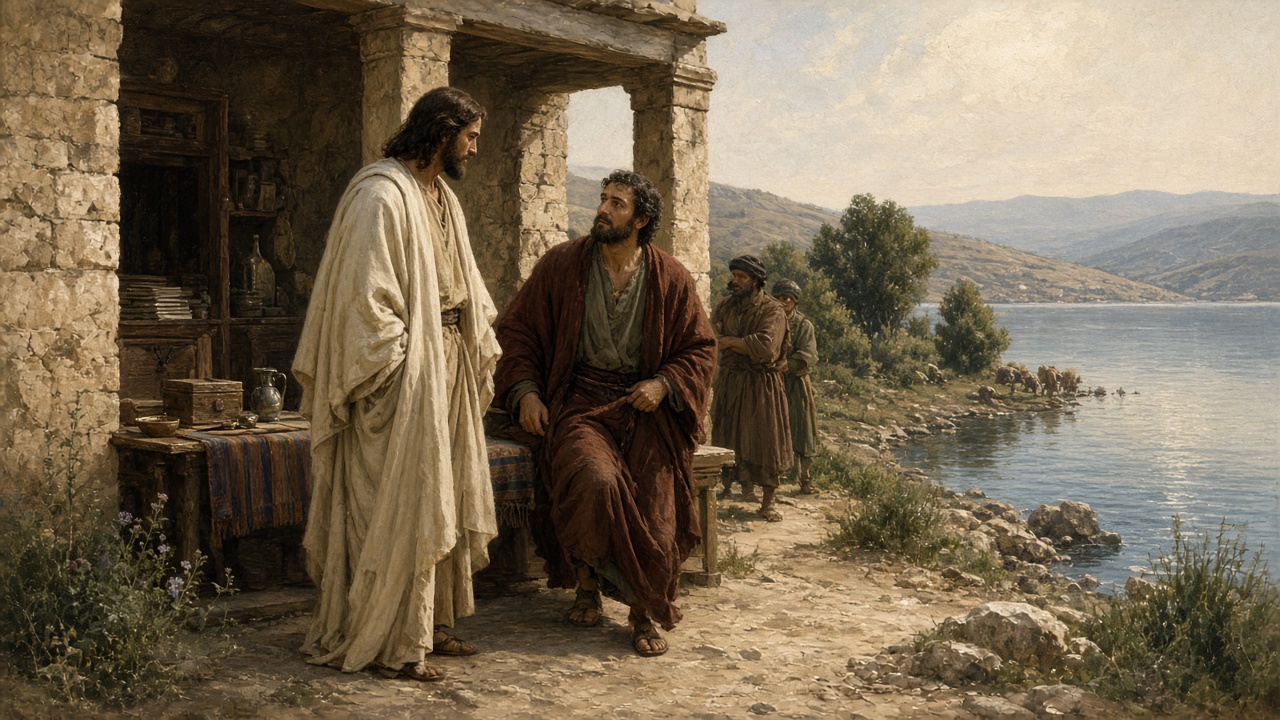
9Jare Jesús joco güi ojo yave, oecha metei cuimbae Mateo jee vae oguapɨ oi mburuvicha peguara ocovara ñogüɨnoia pe, jare jei chupe:
—Eyu cherupíe.
Jayave Mateo opúa, jare ojo jae jupíe.
10Jare Jesús ocaru oi rambueve Mateo jo pe, jeta mburuvicha peguara ocovara vae reta jare teco icavi mbae vae oyapo vae reta yogüeru ocaru vaera Jesús jare jemimboe reta ndive. 11Jare fariseo reta cuae oecha yave, jei Jesús jemimboe reta pe:
—¿Maera pa ocaru pemboe vae ocovara vae reta jare teco icavi mbae vae oyapo vae reta ndive?
12Erei Jesús cuae oendu yave, jei chupe reta:
—Mbaeti mbae jasɨ chupe vae reta mbaeti oeca oporopoano vae. Imbaerasɨ vae retaño oeca —jei—. 13Pecua peñemboe mbae oipota jei cuae: “Aipota peporoparareco vaera, mbaeti maemɨmba oyeyucagüe reta perocuavee vaeraño”. Echa che ayu aeni vaera iyoa vae reta, mbaeti jupi vae reta —jei.
¿Maera pa neremimboe reta mbaeti oyecuacu tembíu güi?
14Jayave yogüeru Juan jemimboe reta Jesús oia pe jare oparandu chupe:
—¿Maera pa ore jare fariseo reta royecuacu tembíu güi, erei neremimboe reta mbaeti oyecuacu tembíu güi?
15Jayave Jesús jei chupe reta:
—Omendata vae pɨri ñogüɨnoi vae reta ngaraa etei oyecuacu tembíu güi, omendata vae jae reta ndive oi rambueve. Erei outa ovae ara omendata vae oyererajauca vaera chugüi reta. Jayave ramo jae reta oyecuacuta tembíu güi —jei—.
16Mbaeti icavi ñamboya vaera temimonde indechi vae maemboyaa ipɨau vae pe. Echa jocorai yayapo yave, maemboyaa ipɨau vae omoata temimonde indechi vae, jare temimonde jeiete osoro —jei—. 17Jae ramiño vi mbaeti icavi ñamboɨru vaera vino ipɨau vae vino jɨru guasupi indechi vae pe. Echa jocorai yayapo yave, vino omondoro jɨru, jare vino oyepɨyere, jare jɨru mbaeti ma icavi. Jae rambue ñamboɨru vino ipɨau vae jɨru ipɨau vae pe. Echa jocorai yayapo yave, jɨru mbaeti osoro jare vino mbaeti oyepɨyere —jei.
Jairo tayɨ jare cuña imbaerasɨ vae
18Jare Jesús cuae jei chupe reta rambueve, ou Jesús oia pe ovae metei mburuvicha. Jae oyeatɨca Jesús jóvai jare jei:
—Cherayɨ omanota ma oi. Erei yaja eñono ndepo jese embogüera, agüɨye vaera omano —jei.
19Jayave Jesús jare jemimboe reta yogüɨraja mburuvicha jupíe.
20Jare metei cuña doce año ma oiporara tugüɨguasu vae oya Jesús re icupe cotɨ jare oyavɨquɨ jemimonde jembeɨ. 21Echa jae jei ma iyeupe ipɨa pe:
—Yepe tei jemimondeño tayavɨquɨ, acuerata co.
22Erei Jesús oyerova, jare oecha yave, jei chupe:
—Chereindɨ, ndepɨacatu. Recuera ma rerovia cheré rambue.
Jare jupiveiño cuña ocuera.
23Jare Jesús oique mburuvicha jo pe yave, oecha oñemimbɨ vae reta jare jeta joco pe yatɨ vae reta omboɨapu yae ñogüɨnoi. 24Jayave jei chupe reta:
—Pecua icatu pe. Cuae cuñatai mbaeti co omano. Oqueño co oi —jei.
Erei joco pe ñogüɨnoi vae reta oyóyai Jesús. 25Jayave Jesús omoe opaete vae oca pe. Jayave oique ye o pe jare oipɨɨ cuñatai ipo pe, jare cuñatai opúa voi. 26Jare opaete jocuae ɨvɨ pegua reta oendu quirai Jesús oyapo cuae mɨacañɨ.
Mócoi cuimbae jesa mbae vae reta
27Jare Jesús joco güi ojo yave, mócoi cuimbae jesa mbae vae reta yogüɨraja jaɨcue, jare iñeeata reve jei chupe:
—Nde co jae David Taɨ. Oreparareco.
28Jare Jesús oique ma yave o pe, cuimbae jesa mbae vae reta vi oique jaɨcue. Jayave Jesús oparandu chupe reta:
—¿Perovia pa chepuere co ayapo cuae peve?
—Rogüɨrovia, oreYa —jei reta.
29Jayave Jesús oyavɨquɨ jae reta jesa, jare jei chupe reta:
—Perovia rambue, pemae.
30Jare mócoi reve ipuere omae. Jayave Jesús jei chupe reta:
—Agüɨye pemombeu quia pe.
31Erei jae reta yogüɨraja ma yave, omombeu jeta yae vae jocuae ɨvɨ pegua reta pe Jesús oyapo chupe reta vae.
Iupa vae omboɨpɨ imiari
32Jare jae reta yogüɨraja ma yave, iru vae reta güeru Jesús oia pe metei iupa vae. Metei aña oya ma cuae iupa vae re. 33Jayave Jesús omondo aña chugüi jare iupa vae omboɨpɨ imiari. Jare jeta yae vae ipɨacañɨ jare jei reta:
—Mbaeti etei yaecha cuae nunga mɨacañɨ Israel pe.
34Erei fariseo reta jei:
—Aña guasu imbaepuere pe omondo aña reta oya jese vae reta güi.
Jeta yae co yaarɨvo vaera
35Jare Jesús ojo opaete tenta tuicha vae reta jare tenta michi vae reta rupi, jare oporomboe judío reta itupao ñavo pe. Omombeu ñee icavi vae Tumpa iporoocuaia pegua, jare ombogüera imbaerasɨ vae reta oipotagüe mbaerasɨ güi. 36Erei oecha yave jeta yae vae, oiparareco omae jese reta. Echa jae reta oñemambeco jare ipɨatɨtɨ. Vecha mbaeti iñangarecoa güɨnoi vae reta rami co. 37Jayave Jesús jei jemimboe reta pe:
—Jeta yae co yaarɨvo vaera. Erei mbovɨ yae co oarɨvo vae reta. 38Jae rambue pe reta peyerure ñandeYa pe omondo vaera oparavɨquɨ vae reta oarɨvo reta vaera —jei.
¿Sabías que…?
Misericordia, curación y vino nuevo
- Mateo, hijo de Alfeo, era publicano, es decir, recaudador de impuestos, en Cafarnaúm. Jesús, al subir desde la orilla del lago, pasó por el puesto de impuestos donde Mateo estaba sentado y le dijo: “Sígueme”. Antes se lo conocía como Leví; ese mismo día ofreció un gran banquete, descrito como una despedida, a Jesús, a los discípulos y, probablemente, a muchos de sus antiguos compañeros.Fuentes: Matthew · el propio texto bíblico
- Quienes preguntan por qué ellos y los fariseos ayunan tan a menudo, mientras los discípulos de Jesús no ayunan, son discípulos de Juan el Bautista. A Juan se lo llama el precursor; era de linaje sacerdotal, su padre Zacarías sacerdote del turno de Abías y su madre Elisabet una de las hijas de Aarón.Fuentes: John the Baptist · el propio texto bíblico
- Una cronología sitúa la curación del paralítico, el llamado de Mateo, la pregunta sobre el ayuno y la parábola de los odres en el año 28 d. C.Fuentes: Healing the Man with Palsy · Jesus Calls Matthew · Fasting Question · Parable of the Winseskins
Notas escritas con ayuda de IA a partir de fuentes abiertas (Theographic Bible Metadata, CC BY-SA 4.0; Easton’s Bible Dictionary, dominio público) y revisadas antes de publicarse.
Lugares de este capítulo
- Sea of Galilee · 32.819, 35.590 · versículo 1
Solo aparecen lugares identificados con alta confianza (90 % o más según las fuentes académicas reunidas por OpenBible). Mapa de la época: DARE (Digital Atlas of the Roman Empire), CC BY 4.0; mapa actual: © colaboradores de OpenStreetMap; lugares: OpenBible.info (CC BY 4.0).
Créditos y licencia de esta traducción
Nuevo Testamento Guaraní Pe
New Testament in Guaraní, Eastern Bolivian (BL:gui:Guaraní, Eastern Bolivian)
copyright © 2012 Wycliffe Bible Translators, Inc.
Language: Guaraní, Eastern Bolivian
Translation by: Wycliffe Bible Translators, Inc.
Guaraní, Eastern Bolivian [gui], Bolivia
Copyright Information
© 2012, Wycliffe Bible Translators, Inc. All rights reserved.
This translation text is made available to you under the
terms of the Creative Commons License: Attribution-Noncommercial-No Derivative Works.
( http://creativecommons.org/licenses/by-nc-nd/3.0/ )
In addition, you have permission to port the text to different file formats, as long as you
do not change any of the text or punctuation of the Bible.
You may share, copy, distribute, transmit, and extract portions
or quotations from this work, provided that you include the above copyright
information:
You must give Attribution to the work.
You do not sell this work for a profit.
You do not make any derivative works that change any of the actual words or punctuation of the Scriptures.
Permissions beyond the scope of this license may be
available if you contact
us with your request.
The New Testament
in Guaraní, Eastern Bolivian
© 2012, Wycliffe Bible Translators, Inc. All rights reserved.
This translation is made available to you under the terms of the
Creative Commons Attribution-Noncommercial-No Derivatives license 4.0.
You may share and redistribute this Bible translation or extracts from it in any format, provided that:
You include the above copyright and source information.
You do not sell this work for a profit.
You do not change any of the words or punctuation of the Scriptures.
Pictures included with Scriptures and other documents on this site are licensed just for use with those Scriptures and documents.
For other uses, please contact the respective copyright owners.
2014-04-25
Fuente: http://ebible.org/guiNT/ · eBible.org