Proverbios 19
Tupàn ze'eg · Toca un versículo para ver sus referencias cruzadas.
1Hemetarer 'ym ma'e, imunar 'ym ma'e romo zanereko haw ikatu wera'u hemu'em ma'e iranaiw ma'e romo zanereko haw wi.
2Na'ikatu kwaw ma'e iapo haw nema'enukwaw 'ym mehe. Aze nehem wer na'arewahy, erepia putar nehe.
3Ma'e kwaw 'ymaw umu'ar kar teko iaiw paw pupe wà. Nezewe rehe we, — Tupàn Tuweharupi Wiko Ma'e uzapo ikatu 'ym ma'e ihewe a'e, i'i a'e teko wà.
4Hemetarer katu ma'e uzapo teko tetea'u umyrypar romo wà. Hemetarer 'ym ma'e imyrypar naheta tete kwaw wà. Nezewe rehe we imyrypar utyryk izuwi wà.
5Tuwihaw wanenataromo hemu'em ma'e nupuner kwaw zepykaw wi uhemaw rehe nehe.
6Teko paw uzeagaw tuwihaw wamurywete kar pà wà. Teko paw heko wer ma'e imur e har wamyrypar romo wà.
7Teko uze'eg zemueteahy te uwywyr rehe wà, aze tywyr wiko hemetarer 'ym ma'e romo. A'e rupi, aze imyrypar utyryk izuwi, nazanepytuhegatu kwaw. Ikene'o umyrypar wanekar mehe. Nuzekaiw kwaw hehe wà.
8Ma'e kwaw katu haw hekar har uzamutar weko haw a'e. Aze amo ima'enukwaw katu ma'e iapo 'ym mehe we nehe, wexak putar turywete haw nehe.
9Aze amo hemu'em tuwihaw wanenataromo, uzepyk hehe wà. Uzuka kar azeharomoete wà.
10Na'ikatu kwaw iranaiw ma'e temetarer tetea'u inuromo waneko haw. Aze uma'ereko ma'e weruze'eg tuwihaw wà, nezewe haw na'ikatu kwaw.
11Teko ma'e kwaw par nuikwahy kwaw na'arewahy. Aze amo uzapo ikatu 'ym ma'e izupe, umunàn hemiapo kwer a'e, ikàgaw hexak kar pà nezewe a'e.
12Tuwihawete ikwahy haw nuzawy kwaw zàwàruhu iriàw ikororo haw. Ikatu haw nuzawy kwaw zuwiri ka'api'i rehe har.
13Ta'yr ma'e kwaw 'ymar upuner u heraha haw rehe iaiw paw pe. Hemireko tuweharupi umen iàmàtyry'ymar nuzawy kwaw 'y utykyr ire upytu'u 'ym ma'e.
14Awa upuner tàpuz ipyhykaw rehe u wi uhy wi. Upuner temetarer ipyhykaw rehe nezewe no. Xo Tupàn zo upuner hemireko ma'e kwaw par imono haw rehe izupe.
15Iranahy ma'e uker tetea'u ma'e ima'uhez putar iahykaw rehe.
16Tupàn ze'eg heruzar har umumaw wera'u kwarahy wiko pà heruzar 'ymar wanuwi a'e. Ipurumu'e haw rehe uzekaiw 'ym ma'e umàno putar nehe.
17Ma'e hereko 'ymar pe ikatu ma'e iapo haw nuzawy kwaw ma'e Tupàn Tuweharupi Wiko Ma'e pe imono haw. Umur putar zaneremiapo kwer hekuzar nehe.
18Emume'u nera'yr wanemiapo kwer ikatu 'ym ma'e wanupe nehe, wanupànupà pà nehe. Upyahu mehe we upuner ikatu ma'e ikwaw paw rehe wà. Ezuka zo wanupànupà haw pupe ne wà nehe.
19Aze amo wikwahy e na'arewahy nehe, tuwe upuraraw ma'erahy wemiapo kwer hemimur arer rehe nehe. Aze pitài haw erepytywà, uzemupytu'u kar putar newe tuweharupi nehe.
20Einu katu pureruze'egaw nehe. Ezemuhyk ma'e rehe nezemu'e pà nehe. Nezewe mehe amo 'ar mehe ereiko putar ma'e kwaw katu har romo nehe.
21Teko umume'u wemiapo ràm tetea'u wà. Xo Tupàn Tuweharupi Wiko Ma'e zo umuzeapo kar ma'e.
22Nezewe za'e zanemyrypar wanupe. — Tuwe nupuir kwaw zanewi wà nehe. Hemetarer 'ym ma'e romo heko haw ikatu wera'u hemu'em ma'e romo heko haw wi.
23Tupàn Tuweharupi Wiko Ma'e wi ukyze ma'e umumaw putar kwarahy tetea'u wiko pà nehe. Hurywete putar nehe. Naheta kwaw iaiw paw heko haw rehe nehe.
24Amo iranahy ma'e na'ipurumur wer kwaw te wemi'u ràm rehe uzuru pupe wà. — Ipuhuz katu, i'i uzeupe wà.
25Tuwe amo uzepyk wiko wera'u ma'e wanuwi wà nehe. Nezewe mehe teko ikàg 'ym ma'e ukwaw putar ukàg 'ymaw wà nehe. Ma'e kwaw katu har ukwaw wera'u ma'e, aze amo umume'u hemiawy kwer izupe wà.
26Aze amo upuraraw kar ma'erahy u pe, aze omono kar uhy wàpuz wi, wiko maranugar haw herur har romo a'e, werur iaiw paw weko haw pe.
27Hera'yr, aze erepytu'u ma'e rehe nezemu'e re nehe, na'arewahy nereharaz putar neremigwaw wi nehe.
28Tuwihaw wanenataromo hemu'em ma'e uze'eg urywahyahy katu haw rehe a'e wà. Ikatu 'ym ma'e ipuruapo wer tuwe ikatu 'ygwer rehe wà.
29Amo 'ar mehe amo wanehe upuka ma'e wenu putar wemiapo kwer ikatu 'ym ma'e imume'u haw wà nehe. Amo uzepyk putar ma'e kwaw par 'ym wanehe nehe.
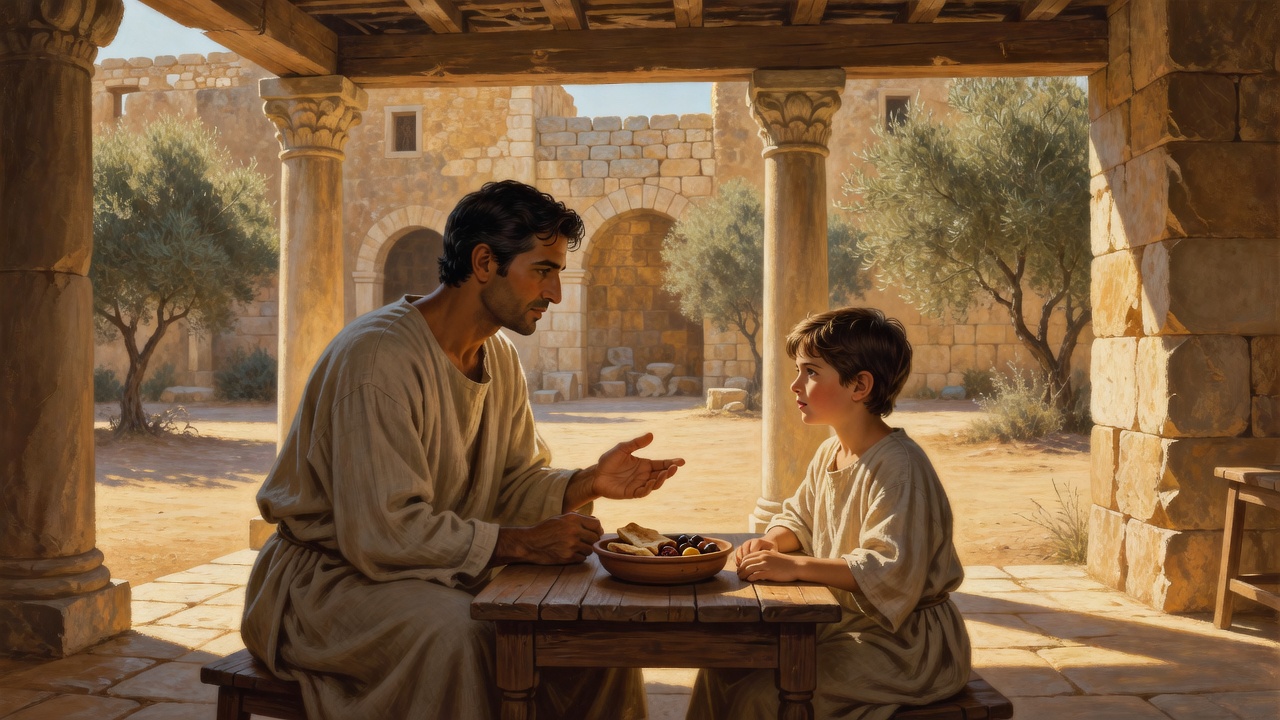
¿Sabías que…?
Sabiduría sobre Riqueza, Relaciones y Carácter
- Proverbios 19 destaca cómo la posición social influye en las relaciones humanas, señalando que las riquezas atraen a muchos compañeros, mientras que el pobre suele ser abandonado incluso por sus propios familiares. En contraste con esta tendencia humana, la compasión hacia los pobres se describe como un préstamo hecho directamente al SEÑOR, quien asegura la recompensa.Fuentes: el propio texto bíblico
- El capítulo utiliza vívidas imágenes de la naturaleza para describir la autoridad de un gobernante, comparando la ira del rey con el rugido de un león y su favor con el rocío refrescante sobre la hierba. En el mundo antiguo, obtener la benevolencia de un monarca era crucial para la protección y la prosperidad.Fuentes: el propio texto bíblico
- Las realidades domésticas cotidianas se reflejan en proverbios elocuentes, como comparar a un cónyuge conflictivo con un goteo incesante y caricaturizar al perezoso extremo que hunde la mano en el plato comunitario pero se niega a llevarla a la boca.Fuentes: el propio texto bíblico
Notas escritas con ayuda de IA a partir de fuentes abiertas (Theographic Bible Metadata, CC BY-SA 4.0; Easton’s Bible Dictionary, dominio público) y revisadas antes de publicarse.
Créditos y licencia de esta traducción
Tupàn ze'eg
Bible without Deuterocanon in Guajajára (BR:gub:Guajajára)
copyright © 2007 Wycliffe Bible Translators, Inc.
Language: Guajajára
Translation by: Wycliffe Bible Translators, Inc.
Guajajára [gub], Brazil
Copyright Information
© 2007, Wycliffe Bible Translators, Inc. All rights reserved.
This translation text is made available to you under the
terms of the Creative Commons License: Attribution-Noncommercial-No Derivative Works.
( http://creativecommons.org/licenses/by-nc-nd/3.0/ )
In addition, you have permission to port the text to different file formats, as long as you
do not change any of the text or punctuation of the Bible.
You may share, copy, distribute, transmit, and extract portions
or quotations from this work, provided that you include the above copyright
information:
You must give Attribution to the work.
You do not sell this work for a profit.
You do not make any derivative works that change any of the actual words or punctuation of the Scriptures.
Permissions beyond the scope of this license may be
available if you contact
us with your request.
Printed book ISBN 9788531109713
The Bible without Deuterocanon
in Guajajára
© 2007, Wycliffe Bible Translators, Inc. All rights reserved.
This translation is made available to you under the terms of the
Creative Commons Attribution-Noncommercial-No Derivatives license 4.0.
You may share and redistribute this Bible translation or extracts from it in any format, provided that:
You include the above copyright and source information.
You do not sell this work for a profit.
You do not change any of the words or punctuation of the Scriptures.
Pictures included with Scriptures and other documents on this site are licensed just for use with those Scriptures and documents.
For other uses, please contact the respective copyright owners.
2020-03-30
Fuente: http://ebible.org/gubBl/ · eBible.org