Números 30
Tupàn ze'eg · Toca un versículo para ver sus referencias cruzadas.
Ma'e Tupàn pe imono haw imume'uahy haw
1Uze'eg Izaew ta'yr izuapyapyr wanuwihaw wanupe. — Tupàn Tuweharupi Wiko Ma'e uzapo kar ko ma'e peme a'e. 2Aze amo umume'uahy ma'e Tupàn Tuweharupi Wiko Ma'e pe wemimono ràm nehe, aze ru'u umume'uahy wemiapo ràm nehe, aze ru'u umume'uahy wemiapo 'ym ràm nehe, tuwe uzapo wemimume'uahy kwer nehe. Tuwe uzapo imume'u pyrer paw rupi nehe.
3Kuzàwaza u hàpuz pupe wikuwe ma'e a'e, aze umume'uahy ma'e Tupàn Tuweharupi Wiko Ma'e pe wemimono ràm nehe, aze ru'u umume'uahy wemiapo ràm nehe, aze ru'u umume'uahy wemiapo 'ym ràm nehe, 4aze tu ukwaw hemimume'u kwer nehe, aze nuze'eg kwaw hehe nehe, tuwe kuzàwaza uzapo wemimume'u kwer nehe. Tuwe uzapo imume'u pyrer paw rupi nehe. 5Aze tu ukwaw hemimume'u kwer nehe, — Ezapo zo nehe, aze i'i wazyr pe nehe, a'e mehe tazyr nuzapo kwaw wemimume'u kwer nehe. Tupàn Tuweharupi Wiko Ma'e umunàn putar ikatu 'ymaw izuwi nehe. Ta'e tu nuzapo kar kwaw a'e ma'e izupe xe.
6Aze kuzà imen 'ym ma'e umume'uahy ma'e Tupàn Tuweharupi Wiko Ma'e pe wemimono ràm nehe, aze ukwaw wemiapo nehe, aze ru'u nukwaw kwaw wemiapo nehe, aze umume'uahy wemiapo ràm nehe, aze ru'u umume'uahy wemimume'u 'ym ràm nehe, 7aze imen ukwaw a'e re nehe, aze imen nuze'eg kwaw hehe nehe, a'e mehe kuzà uzapo putar wemimume'u kwer nehe. Tuwe uzapo imume'u pyrer paw rupi nehe. 8Aze imen ukwaw nehe, — Ezapo zo nehe, aze i'i na'arewahy nehe, a'e mehe kuzà nuzapo kwaw wemimume'u kwer nehe. Tupàn Tuweharupi Wiko Ma'e umunàn putar ikatu 'ymaw izuwi nehe.
9Kuzà imen umàno ma'e kwer a'e, kuzà imen wi imunyryk pyrer no, tuwe omono ma'e wemimono ràm imume'uahy pyrer Tupàn Tuweharupi Wiko Ma'e pe nehe. Aze umume'uahy wemiapo ràm izupe, tuwe uzapo nehe. Aze umume'uahy wemiapo 'ym ràm, tuwe nuzapo kwaw nehe.
10Kuzà imen ma'e a'e, aze umume'uahy ma'e Tupàn Tuweharupi Wiko Ma'e pe wemimono ràm nehe, aze ru'u umume'uahy wemiapo ràm nehe, aze ru'u umume'uahy wemimume'u 'ym ràm nehe, 11aze imen ukwaw nehe, aze nuze'eg kwaw hehe nehe, tuwe kuzà uzapo wemimume'u kwer nehe. Tuwe uzapo imume'u pyrer paw rupi nehe. 12Aze imen ukwaw nehe, — Ezapo zo nehe, aze i'i izupe na'arewahy nehe, a'e mehe kuzà nuzapo kwaw wemimume'u kwer nehe. Tupàn Tuweharupi Wiko Ma'e umunàn putar ikatu 'ymaw izuwi nehe. Ta'e imen nuzapo kar kwaw a'e ma'e izupe xe. 13Imen upuner hemimume'u kwer iapo kar haw rehe izupe nehe. Upuner iapo kar 'ymaw rehe izupe nehe no. 14Aze imen nuze'eg kwaw hehe a'e 'ar mehe nehe, a'e mehe kuzà uzapo putar wemimume'u kwer paw rupi nehe. Imen uzapo kar izupe a'e, ta'e nuze'eg kwaw hehe a'e 'ar mehe we a'e xe. 15Aze amo 'ar mehe imen umunàn hemimume'u kwer nehe, Tupàn uzepyk putar awa rehe nehe. Nuzepyk kwaw hemireko rehe nehe.
16Amume'u Tupàn Tuweharupi Wiko Ma'e ze'eg ma'e imume'uahy pyr rehe har Moizez pe imono pyrer kwez xe ihe, aze kuzà imen 'ym ma'e umume'uahy wemiapo ràm wà, aze ru'u kuzà imen ma'e umume'uahy wemiapo ràm wà.
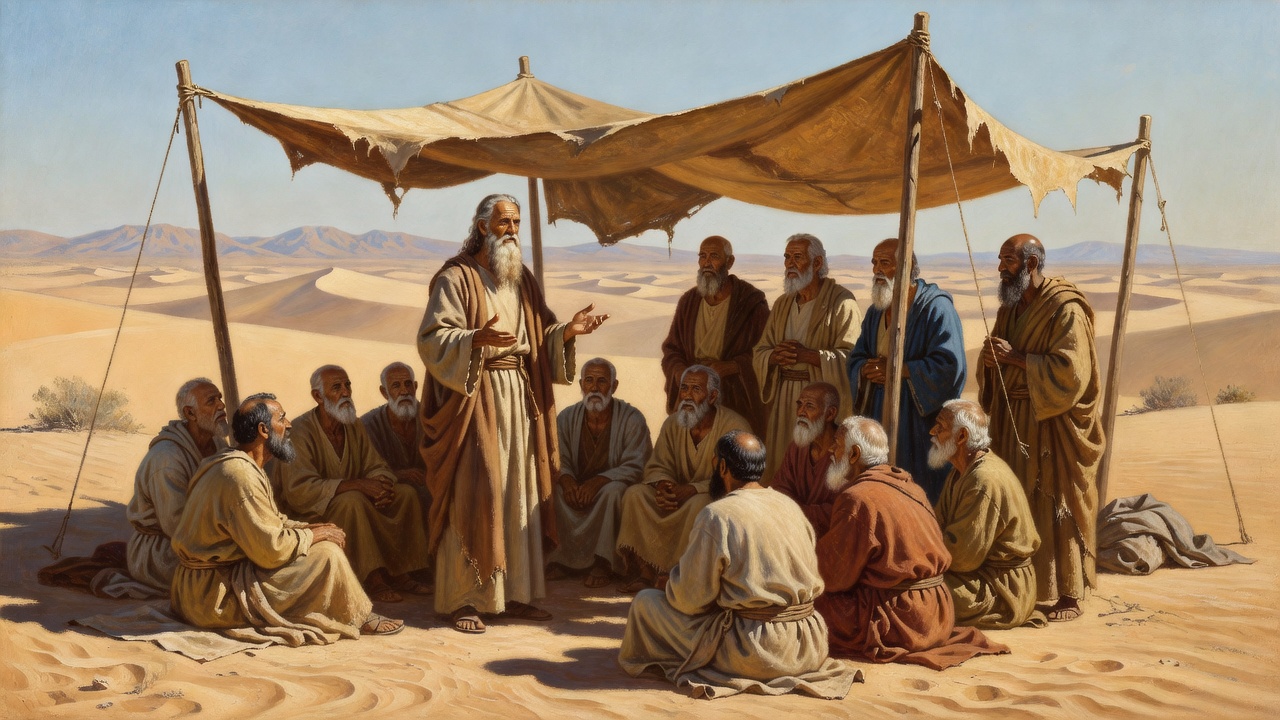
¿Sabías que…?
Leyes Sobre Votos y Promesas
- Moisés entregó estas normas específicamente a los jefes de las tribus de Israel. Conforme a estos estatutos, un hombre adulto quedaba incondicionalmente obligado a cumplir cualquier voto, juramento o promesa hecho al Señor sin faltar a su palabra.Fuentes: el propio texto bíblico
- El padre o el esposo tenía la facultad de confirmar o anular el voto realizado por una hija joven en su casa o por su esposa. Si el jefe del hogar no expresaba objeción el día en que se enteraba, la promesa quedaba en pie; si la anulaba de inmediato, ella quedaba absuelta.Fuentes: el propio texto bíblico
- La ley trataba a las viudas y a las mujeres divorciadas de manera diferente a las dependientes en el hogar de un padre o esposo. Cualquier voto o compromiso asumido por una viuda o mujer divorciada era vinculante por completo, sin que una autoridad masculina pudiera anularlo.Fuentes: el propio texto bíblico
Notas escritas con ayuda de IA a partir de fuentes abiertas (Theographic Bible Metadata, CC BY-SA 4.0; Easton’s Bible Dictionary, dominio público) y revisadas antes de publicarse.
Créditos y licencia de esta traducción
Tupàn ze'eg
Bible without Deuterocanon in Guajajára (BR:gub:Guajajára)
copyright © 2007 Wycliffe Bible Translators, Inc.
Language: Guajajára
Translation by: Wycliffe Bible Translators, Inc.
Guajajára [gub], Brazil
Copyright Information
© 2007, Wycliffe Bible Translators, Inc. All rights reserved.
This translation text is made available to you under the
terms of the Creative Commons License: Attribution-Noncommercial-No Derivative Works.
( http://creativecommons.org/licenses/by-nc-nd/3.0/ )
In addition, you have permission to port the text to different file formats, as long as you
do not change any of the text or punctuation of the Bible.
You may share, copy, distribute, transmit, and extract portions
or quotations from this work, provided that you include the above copyright
information:
You must give Attribution to the work.
You do not sell this work for a profit.
You do not make any derivative works that change any of the actual words or punctuation of the Scriptures.
Permissions beyond the scope of this license may be
available if you contact
us with your request.
Printed book ISBN 9788531109713
The Bible without Deuterocanon
in Guajajára
© 2007, Wycliffe Bible Translators, Inc. All rights reserved.
This translation is made available to you under the terms of the
Creative Commons Attribution-Noncommercial-No Derivatives license 4.0.
You may share and redistribute this Bible translation or extracts from it in any format, provided that:
You include the above copyright and source information.
You do not sell this work for a profit.
You do not change any of the words or punctuation of the Scriptures.
Pictures included with Scriptures and other documents on this site are licensed just for use with those Scriptures and documents.
For other uses, please contact the respective copyright owners.
2020-03-30
Fuente: http://ebible.org/gubBl/ · eBible.org