Levítico 15
Tupàn ze'eg · Toca un versículo para ver sus referencias cruzadas.
Tupàn uze'eg ikatu 'ymaw awa wanehe har rehe
1Tupàn Tuweharupi Wiko Ma'e omono ko uze'eg Moizez pe, Àràw pe no. — Emume'u ko heze'eg 2teko Izaew izuapyapyr wanupe nehe, i'i wanupe. Aze uhem ipewer amo awa ima'e wi nehe, ikatu 'ym ma'e romo hekon putar Tupàn henataromo nehe. 3Aze uhem izuwi nehe, aze ru'u upyta hehe nehe, nezewe rehe we awa wiko putar ikatu 'ym ma'e romo henataromo nehe. 4Aze u'aw wyzài u'apaw rehe nehe, tupaw uzeapo putar ikatu 'ym ma'e romo nehe. Aze wapyk wyzài tenaw rehe nehe, tenaw uzeapo putar ikatu 'ym ma'e romo nehe no. 5Aze amo opokok hupaw rehe nehe, 6aze ru'u wapyk hen awer rehe nehe, a'e teko uhez putar uma'e wemimunehew nehe. Uzahak putar nehe no. Wiko putar Tupàn henataromo ikatu 'ym ma'e romo nehe. Xo kwarahy heixe mehe zo uhem putar ikatu 'ymaw izuwi nehe. 7Aze amo opokok a'e awa rehe nehe, tuwe uhem uma'e wemimunehew nehe. Uzahak putar nehe no. Wiko putar Tupàn henataromo ikatu 'ym ma'e romo nehe. Xo kwarahy heixe mehe zo uhem putar ikatu 'ymaw izuwi nehe. 8Aze awa upewer uzewi uhem ma'e hereko har uzenymon amo teko Tupàn henataromo ikatu ma'e rehe nehe, tuwe a'e teko uhez uma'e wemimunehew nehe. Tuwe uzahak nehe no. Wiko putar Tupàn henataromo ikatu 'ym ma'e romo nehe. Xo kwarahy heixe mehe zo uhem putar ikatu 'ymaw izuwi nehe. 9Aze a'e awa wapyk amo kawaru ikupe pe har rehe nehe no, a'e kawaru ipupe pe har uzeapo putar Tupàn henataromo ikatu 'ym ma'e romo a'e nehe. 10Aze wapyk amo ma'e rehe nehe, aze amo opokok iapyk awer rehe nehe, wiko putar Tupàn henataromo ikatu 'ym ma'e romo nehe. Xo kwarahy heixe re zo ikatu wi putar nehe. Aze amo upyhyk iapyk awer nehe, tuwe uhez uma'e wemimunehew nehe. Tuwe uzahak nehe no. Wiko putar Tupàn henataromo ikatu 'ym ma'e romo nehe. Xo kwarahy heixe mehe zo uhem putar ikatu 'ymaw izuwi nehe. 11Aze opokok amo teko rehe uzepuez 'ym mehe we nehe, a'e mehe a'e teko uhez putar uma'e wemimunehew nehe. Uzahak putar nehe no. Wiko putar Tupàn henataromo ikatu 'ym ma'e romo nehe. Xo kwarahy heixe mehe zo uhem putar ikatu 'ymaw izuwi nehe. 12Aze upyhyk amo ywy'a nehe, pezuka a'e ywy'a nehe. Aze y'a ywyra iapo pyrer romo nehe, pezuhez katu nehe.
13Ukatu re tuwe umumaw 7 'ar uzemukatu àwàm hàro pà nehe. A'e 'ar ipawire, a'e teko uhez putar uma'e wemimunehew nehe. Uzahak putar 'y 'yzygwar wi henuhem pyrer pupe nehe no. A'e mehe ikatu putar Tupàn henataromo nehe. 148 haw 'ar mehe upyhyk putar mokoz pykahu wà nehe, aze ru'u mokoz pyku'i wà nehe. Oho putar tàpuzràn Tupàn pe imonokatu pyrer pe teixe haw pe nehe. A'e pe Tupàn Tuweharupi Wiko Ma'e henataromo omono putar a'e mokoz wiràmiri xaxeto pe wà nehe. 15Xaxeto omono putar Tupàn pe imono pyr romo wà nehe. Pitài wiko putar katu 'ygwer imunàn kar haw romo nehe. Inugwer ukaz paw putar henataromo nehe. Nezewe Tupàn Tuweharupi Wiko Ma'e henataromo xaxeto uzapo putar awa imukatu haw no. Ikatu putar Tupàn henataromo nehe.
16Aze uhem e ta'yrer awa wi nehe, tuwe uzahak nehe. Wiko putar Tupàn henataromo ikatu 'ym ma'e romo nehe. Xo kwarahy heixe re zo uhem putar ikatu 'ymaw izuwi nehe. 17Aze u'ar ta'yrer wyzài kamir rehe wyzài ma'e rehe nehe, aze ru'u ma'epirer rehe nehe, tuwe uhez a'e ma'e nehe. Ikatu 'ym ma'e romo wiko putar Tupàn henataromo nehe. Xo kwarahy heixe re zo uhem putar ikatu 'ymaw izuwi nehe. 18Aze awa oho kuzà puhe nehe, tuwe uzahak wà nehe. Ikatu 'ym ma'e romo wiko putar Tupàn henataromo nehe. Xo kwarahy heixe re zo uhem putar ikatu 'ymaw izuwi nehe.
Tupàn ze'eg kuzà wakatu 'ymaw rehe har
19Aze kuzà huwy haw uhem nehe, umumaw putar 7 'ar ikatu 'ym ma'e romo wiko pà Tupàn henataromo nehe. Aze amo opokok hehe a'e 'ar rehe nehe, wiko putar Tupàn henataromo ikatu 'ym ma'e romo nehe. Xo kwarahy heixe re zo uhem putar ikatu 'ymaw izuwi nehe. 20Aze uzeàpàrirog amo tupaw rehe nehe, aze ru'u wapyk amo ma'e rehe nehe, a'e ma'e uzeapo putar ikatu 'ym ma'e romo Tupàn henataromo nehe. 21Aze amo opokok hupawer rehe nehe, aze ru'u iapyk awer rehe nehe, uhez putar uma'e wemimunehew nehe, Uzahak putar nehe no. Wiko putar Tupàn henataromo ikatu 'ym ma'e romo nehe. Xo kwarahy heixe re zo uhem putar ikatu 'ymaw izuwi nehe. 24Aze awa oho kuzà puhe huwy haw 'ar rehe nehe, umumaw putar 7 'ar Tupàn henataromo ikatu 'ym ma'e romo wiko pà nehe. Aze uzeàpàrirog wyzài tupaw rehe nehe, a'e tupaw uzeapo putar Tupàn henataromo ikatu 'ym ma'e romo nehe.
25Aze kuzà huwy e nehe, aze ru'u umumaw 'ar tetea'u uwy pà nehe, wiko putar Tupàn henataromo ikatu 'ym ma'e romo nehe, uwy haw 'ar rehe har zàwe nehe. 26Aze uzeàpàrirog amo tupaw rehe nehe, aze ru'u wapyk amo ma'e rehe nehe, a'e ma'e uzeapo putar ikatu 'ym ma'e romo Tupàn henataromo nehe. 27Aze amo opokok hupawer rehe nehe, aze ru'u iapyk awer rehe nehe, uhez putar uma'e wemimunehew nehe. Uzahak putar nehe no. Wiko putar Tupàn henataromo ikatu 'ym ma'e romo nehe. Xo kwarahy heixe re zo uhem putar ikatu 'ymaw izuwi nehe. 28Huwy e paw ire umumaw putar 7 'ar nehe. A'e re Tupàn henataromo ikatu ma'e romo wiko putar nehe. 298 haw 'ar mehe upyhyk putar mokoz pykahu wà nehe, aze ru'u mokoz pyku'i wà nehe. Oho putar tàpuzràn Tupàn pe imonokatu pyrer pe teixe haw pe nehe. A'e pe omono putar a'e mokoz wiràmiri xaxeto pe wà nehe. 30Xaxeto omono putar Tupàn pe imono pyr romo wà nehe. Pitài wiko putar katu 'ygwer imunàn kar haw romo nehe. Inugwer ukaz paw putar henataromo nehe. Nezewe Tupàn Tuweharupi Wiko Ma'e henataromo xaxeto uzapo putar kuzà imukatu haw nehe. Ikatu putar Tupàn henataromo nehe.
31Ko ze'eg umuhem kar ikatu 'ymaw Izaew izuapyapyr wanuwi Tupàn henataromo a'e. Nezewe mehe numàno kwaw tàpuzràn Tupàn pe imonokatu pyrer imuaiw haw wi wà nehe. Tàpuzràn Tupàn pe imonokatu pyrer upyta waneko haw myter pe a'e.
32Amumaw ze'eg awa wi uhem ma'e hereko har rehe har imume'u haw kwez xe ihe. Amumaw awa wi ta'yrer uhem ma'e kwer rehe har imume'u haw no. 33Amumaw ze'eg kuzà huwy haw 'ar rehe har imume'u haw kwez xe ihe. Amumaw ze'eg awa kuzà huwy ma'e puhe oho ma'e kwer rehe har imume'u haw no.
¿Sabías que…?
Leyes sobre Flujos Corporales y Purificación
- Las leyes de pureza en Levítico 15 regulaban los flujos corporales naturales y anormales en hombres y mujeres, los cuales producían impureza ceremonial. Los objetos tocados por una persona con flujo, como camas, asientos y monturas, transmitían impureza, por lo que quien los tocara debía lavar su ropa, bañarse y quedar impuro hasta la tarde.Fuentes: el propio texto bíblico
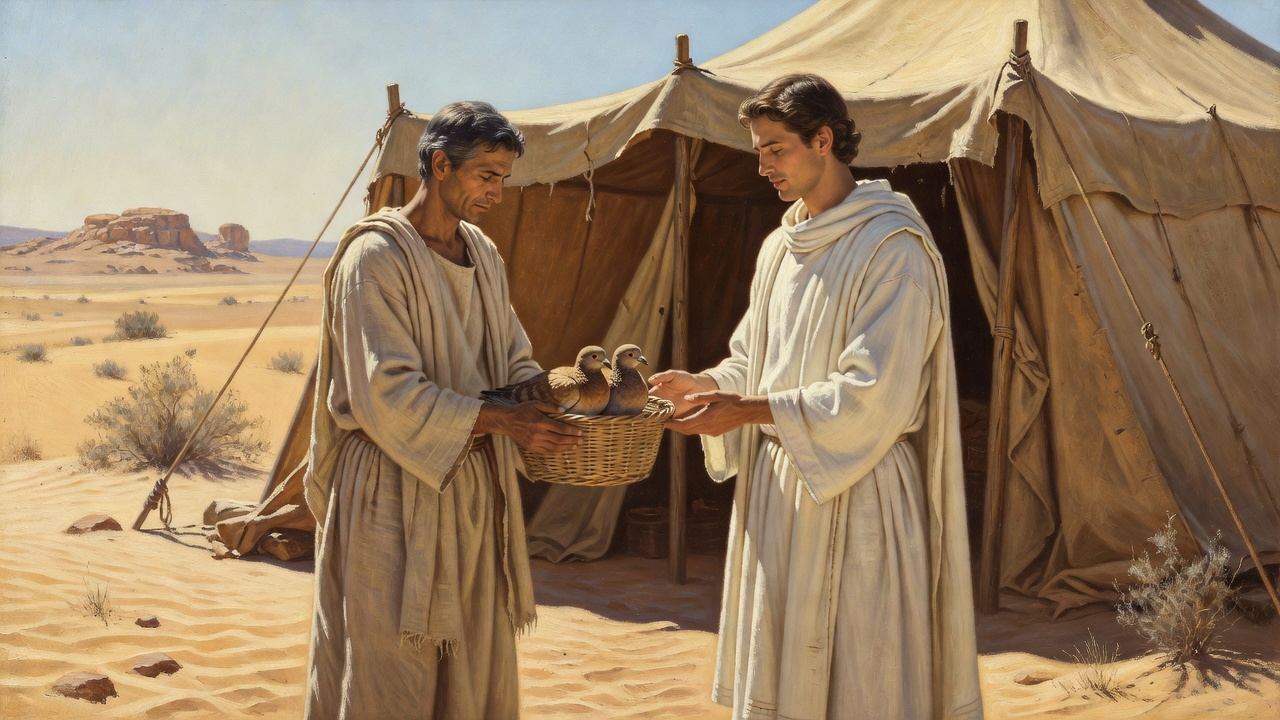
- La purificación de flujos prolongados requería esperar siete días tras la sanidad, lavar las ropas y bañarse en agua fresca. Al octavo día, la persona llevaba dos tórtolas o dos pichones al sacerdote a la entrada de la Tienda de Reunión para ofrecer uno en sacrificio por el pecado y el otro en holocausto.Fuentes: el propio texto bíblico
- El propósito explícito de estas ordenanzas era mantener a los israelitas conscientes de los límites rituales, evitando que profanaran el tabernáculo que permanecía en medio del campamento.Fuentes: el propio texto bíblico
Notas escritas con ayuda de IA a partir de fuentes abiertas (Theographic Bible Metadata, CC BY-SA 4.0; Easton’s Bible Dictionary, dominio público) y revisadas antes de publicarse.
Créditos y licencia de esta traducción
Tupàn ze'eg
Bible without Deuterocanon in Guajajára (BR:gub:Guajajára)
copyright © 2007 Wycliffe Bible Translators, Inc.
Language: Guajajára
Translation by: Wycliffe Bible Translators, Inc.
Guajajára [gub], Brazil
Copyright Information
© 2007, Wycliffe Bible Translators, Inc. All rights reserved.
This translation text is made available to you under the
terms of the Creative Commons License: Attribution-Noncommercial-No Derivative Works.
( http://creativecommons.org/licenses/by-nc-nd/3.0/ )
In addition, you have permission to port the text to different file formats, as long as you
do not change any of the text or punctuation of the Bible.
You may share, copy, distribute, transmit, and extract portions
or quotations from this work, provided that you include the above copyright
information:
You must give Attribution to the work.
You do not sell this work for a profit.
You do not make any derivative works that change any of the actual words or punctuation of the Scriptures.
Permissions beyond the scope of this license may be
available if you contact
us with your request.
Printed book ISBN 9788531109713
The Bible without Deuterocanon
in Guajajára
© 2007, Wycliffe Bible Translators, Inc. All rights reserved.
This translation is made available to you under the terms of the
Creative Commons Attribution-Noncommercial-No Derivatives license 4.0.
You may share and redistribute this Bible translation or extracts from it in any format, provided that:
You include the above copyright and source information.
You do not sell this work for a profit.
You do not change any of the words or punctuation of the Scriptures.
Pictures included with Scriptures and other documents on this site are licensed just for use with those Scriptures and documents.
For other uses, please contact the respective copyright owners.
2020-03-30
Fuente: http://ebible.org/gubBl/ · eBible.org