Levítico 11
Tupàn ze'eg · Toca un versículo para ver sus referencias cruzadas.
Ma'ea'yr Tupàn henataromo ikatu ma'e wà, henataromo ikatu 'ym ma'e wà no
1Tupàn Tuweharupi Wiko Ma'e omono ko uze'eg Moizez pe Àràw pe no. 2— Tuwe Izaew weruzar ko heze'eg wà nehe, i'i wanupe. Pepuner wyzài ma'ea'yr ho'o kwer i'u haw rehe nehe, 3aze ipyàpe uza'ak mokoz ma'e romo nehe, aze u'u ka'api'i nehe no. 4Napepuner kwaw 'aw ma'ea'yr i'u haw rehe nehe: kawaru kupewa'a, tapixi hehaite ma'e, tapixihu. Agwer ma'ea'yr u'u ka'api'i wà. Wapyàpe nuza'ak kwaw mokoz romo wà. Agwer ma'ea'yr na'ikatu kwaw peme wà. 7Pe'u zo tàzàhuràn ho'o kwer nehe. Ho'o kwer na'ikatu kwaw peme. Ipyàpe uza'ak zepe mokoz romo. Nu'u kwaw ka'api'i wà no. 8Pe'u zo agwer ma'ea'yr pe wà nehe. Pepokok zo wanehe wamàno re nehe. Paw rupi na'ikatu kwaw Tupàn henataromo wà.
9Pepuner wyzài pira i'u haw rehe nehe, aze heta ipeporàna'i izupe nehe, aze heta ipekwer izupe nehe no. 10Aze amo ma'e wiko 'y pupe nehe, aze naheta kwaw ipeporàna'i izupe nehe, aze naheta kwaw ipekwer izupe nehe, pe'u zo nehe. Agwer ma'ea'yr na'ikatu kwaw peme wà. 11Pe'u zo pe wà nehe. Aze umàno nehe, pepokok zo hehe nehe. 12Wyzài ma'ea'yr 'y pe har na'ikatu kwaw a'e nehe, aze naheta kwaw ipeporàna'i izupe nehe, aze naheta kwaw ipekwer izupe nehe.
13Agwer wiràmiri na'ikatu kwaw Tupàn pe penemi'u romo wà no: wiràhu, apitaw, wiràhu yryhu pe har, 14wiràmiri axor her ma'e, 15zàpuun, 16wiranu, pypy, wiràmiri yryhu pe har kaiwot her ma'e, kàkà, 17kawyre, zàpuun yryhu pe har, hokohu, 18ake'e, wapehok zàwenugar ixihu ma'e, uruhu, 19hoko kàwànà her ma'e, hokoxig, zàpuun ikupewyahy ma'e. Pe'u zo anyra nehe no.
206 hetymà hereko har wata ma'e wà, 6 hetymà hereko har uwewe ma'e wà no, paw rupi na'ikatu kwaw wà. 21Pepuner 6 hetymà hereko har opoopor ma'e i'u haw rehe nehe. 22Pepuner wyzài tukur i'u haw rehe. Pepuner wyzài ykyzu i'u haw rehe nehe no. 23Amogwer 6 hetymà hereko har wata ma'e uwewe ma'e na'ikatu kwaw Tupàn henataromo penemi'u romo wà.
24Aze agwer ma'ea'yr umàno nehe, aze amo opokok hehe nehe, wiko putar ikatu 'ym ma'e romo Tupàn henataromo nehe. Xo kwarahy heixe re zo ikatu wi putar nehe. Na'aw a'e ma'ea'yr waner xe wà: ma'ea'yr ipyàpe ma'e aze ipyàpe nuza'ak kwaw mokoz haw nehe, aze nu'u kwaw ka'api'i no, wyzài ma'ea'yr 4 py hereko har upy pyte rehe wata ma'e no. Aze amo opokok wyzài agwer ma'ea'yr hetekwer rehe nehe, uhez putar uma'e wetekwer rehe har nehe. Wiko putar ikatu 'ym ma'e romo Tupàn henataromo nehe, te kwarahy heixe mehe nehe. A'e mehe ikatu wi putar nehe. Agwer ma'ea'yr na'ikatu kwaw peme wà.
29Agwer ma'ea'yr ywy rehe upuze ma'e na'ikatu kwaw peme penemi'u romo wà: tezuhu hexakaw nànànar wà, tezua'i hexakaw nànànar wà, aguza, tezu ywygaw pe har, kàmàriàw. 31Aze amo opokok agwer ma'ea'yr rehe wamàno re nehe, wiko putar ikatu 'ym ma'e romo Tupàn henataromo nehe. Xo kwarahy heixe re zo ikatu wi putar nehe. 32Aze agwer ma'ea'yr hetekwer u'ar amo ma'e i'aromo nehe, a'e ma'e uzeapo putar ikatu 'ym ma'e romo a'e 'ar mehe nehe. Wyzài ma'e nehe: ywyra iapo pyrer, pàn iapo pyrer, ma'epirer iapo pyrer, ma'eryru iapo pyrer, wyzài ma'e. Tuwe amo omono 'y pupe imukatu pà nehe. Nezewe rehe we upyta putar ikatu 'ym ma'e romo a'e 'ar rehe nehe. Xo kwarahy heixe re zo ikatu wi putar nehe. 33Aze amo agwer hetekwer u'ar ywy'a pupe nehe, ipupe har uzeapo putar ikatu 'ym ma'e romo a'e 'ar mehe we nehe. Tuwe uka a'e ywy'a wà nehe. 34Aze 'y a'e ywy'a pupe har u'ar wyzài temi'u rehe nehe, a'e temi'u uzeapo putar ikatu 'ym ma'e romo nehe. Wyzài 'y zàwenugar a'e ywy'a pupe har uzeapo putar ikatu 'ym ma'e romo a'e nehe no. 35Aze agwer ma'ea'yr hetekwer u'ar amo ma'e rehe nehe, a'e ma'e uzeapo putar ikatu 'ym ma'e romo a'e nehe. Aze u'ar amo zepehe rehe nehe, amo tata henaw rehe nehe, a'e ma'e uzeapo putar ikatu 'ym ma'e romo a'e nehe. Tuwe ukauka wà nehe. 36Aze agwer ma'e u'ar amo 'yzygwar pupe nehe, amo 'yryru pupe nehe, 'y a'e pe har ikatu wiwi nehe. Nezewe rehe we hetekwer rehe opokok ma'e kwer wiko putar ikatu 'ym ma'e romo nehe. 37Aze agwer ma'ea'yr hetekwer u'ar ma'eà'yz itym pyràm rehe nehe, ikatu wiwi putar ma'eà'yz nehe. 38Aze ma'eà'yz 'y pupe upyta nehe, aze hetekwer u'ar 'y pupe nehe, ma'eà'yz uzeapo putar ikatu 'ym ma'e romo a'e nehe.
39Aze amo ma'ea'yr temi'u romo ikatu ma'e umàno e nehe, hetekwer rehe opokok ma'e wiko putar ikatu 'ym ma'e romo a'e nehe. Kwarahy heixe re zo ikatu wi putar nehe. 40Aze amo u'u ho'o kwer nehe, tuwe uhez uma'e wetekwer rehe imunehew pyrer nehe. Wiko putar ikatu 'ym ma'e romo a'e 'ar mehe nehe. Kwarahy heixe re zo ikatu wi putar nehe. Aze amo upir hetekwer heraha pà nehe, tuwe uhez uma'e nehe. Wiko putar ikatu 'ym ma'e romo a'e nehe. Kwarahy heixe re zo ikatu wi putar nehe.
41Pe'u zo ma'ea'yr ywy rehe upuze ma'e nehe. Agwer ma'ea'yr na'ikatu kwaw Tupàn henataromo penemi'u romo wà. 42Pe'u zo ma'ea'yr ywy rehe upuze ma'e nehe. Aze 4 upy rehe wata wà nehe, nezewe rehe we nape'u kwaw nehe. Aze heta wera'u wapy 4 py wi nehe, pe'u zo nehe no. 43Peiko zo ikatu 'ym ma'e Tupàn henataromo nehe, agwer ma'ea'yr i'u pà nehe. 44Aiko Tupàn Tuweharupi Wiko Ma'e romo ihe. Pezemonokatu ihewe no. Aiko pezar romo ihe. Hereruzar katu pe nehe. Ta'e aiko ikatuahy ma'e romo ihe xe. Peiko zo ikatu 'ym ma'e romo wyzài ma'ea'yr ywy rehe upuze ma'e i'u pà nehe. 45Aiko Tupàn Tuweharupi Wiko Ma'e romo Ezit ywy wi penerur arer romo ihe. Ta'e hereko wer pezar romo ihe xe. A'e rupi peiko ikatu ma'e romo nehe, ta'e aiko ikatuahy ma'e romo ihe xe.
46Amume'u Tupàn ze'eg kwez xe peme ihe: ma'ea'yr wanehe har, wiràmiri wanehe har, ma'ea'yr 'y pe har wanehe har, ma'ea'yr ywy rehe upuze ma'e wanehe har. 47A'e ze'eg wexak kar ikatu ma'e ikatu haw. Wexak kar ikatu 'ym ma'e ikatu 'ymaw no. Umume'u ma'ea'yr i'u pyràm peme wà. Umume'u ma'ea'yr i'u pyr 'ym peme wà no.
¿Sabías que…?
Animales Limpios e Inmundos
- Las leyes dietéticas de Levítico establecen criterios dobles claros para los animales terrestres y acuáticos: los animales de la tierra debían tanto rumiar como tener la pezuña hendida para ser aptos para el consumo, mientras que los animales acuáticos requerían tanto aletas como escamas.Fuentes: el propio texto bíblico
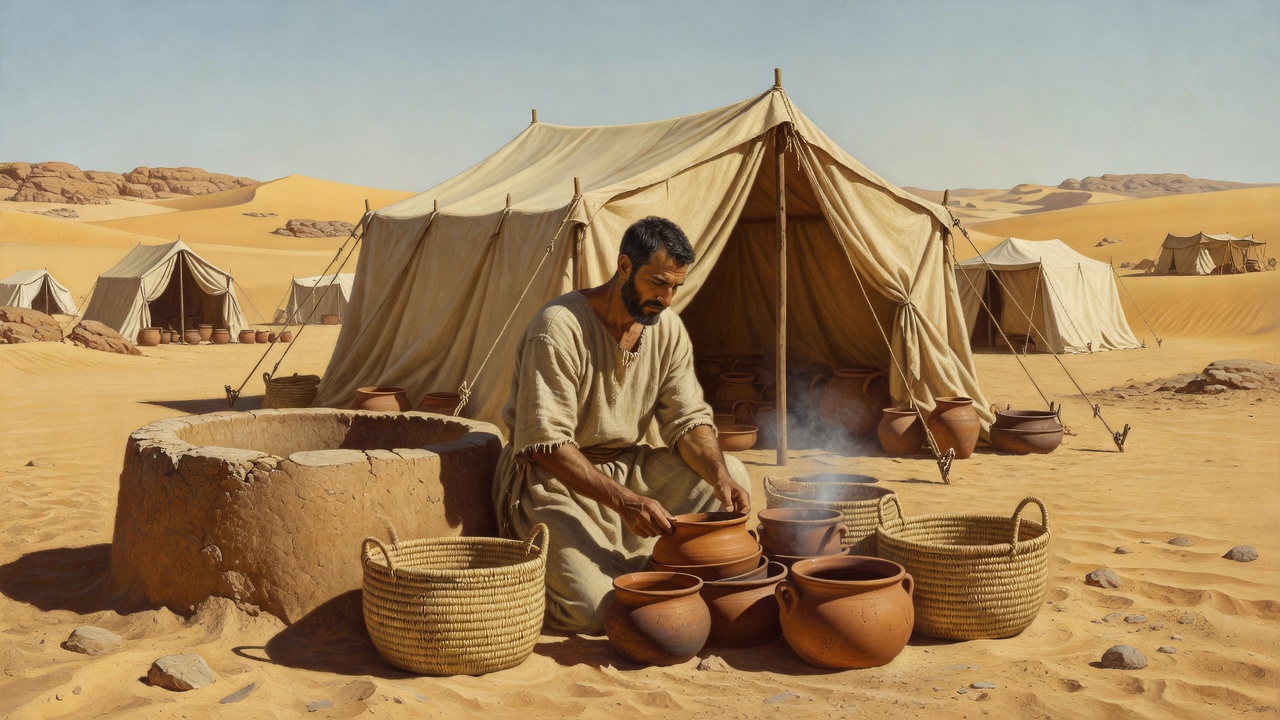
- Las normas de pureza abarcaban también los utensilios del hogar: las vasijas de barro y los hornos contaminados por el cadáver de un animal que se arrastra no podían lavarse como los objetos de madera o tela, sino que debían romperse por completo.Fuentes: el propio texto bíblico
- El propósito teológico declarado para distinguir entre lo limpio y lo inmundo era la consagración de Israel a Dios, quien los sacó de Egipto y los llamó a ser santos porque Él es santo.Fuentes: el propio texto bíblico · Egypt
Notas escritas con ayuda de IA a partir de fuentes abiertas (Theographic Bible Metadata, CC BY-SA 4.0; Easton’s Bible Dictionary, dominio público) y revisadas antes de publicarse.
Lugares de este capítulo
- Egypt · 30.129, 31.308 · versículo 45
Solo aparecen lugares identificados con alta confianza (90 % o más según las fuentes académicas reunidas por OpenBible). Mapa de la época: DARE (Digital Atlas of the Roman Empire), CC BY 4.0; mapa actual: © colaboradores de OpenStreetMap; lugares: OpenBible.info (CC BY 4.0).
Créditos y licencia de esta traducción
Tupàn ze'eg
Bible without Deuterocanon in Guajajára (BR:gub:Guajajára)
copyright © 2007 Wycliffe Bible Translators, Inc.
Language: Guajajára
Translation by: Wycliffe Bible Translators, Inc.
Guajajára [gub], Brazil
Copyright Information
© 2007, Wycliffe Bible Translators, Inc. All rights reserved.
This translation text is made available to you under the
terms of the Creative Commons License: Attribution-Noncommercial-No Derivative Works.
( http://creativecommons.org/licenses/by-nc-nd/3.0/ )
In addition, you have permission to port the text to different file formats, as long as you
do not change any of the text or punctuation of the Bible.
You may share, copy, distribute, transmit, and extract portions
or quotations from this work, provided that you include the above copyright
information:
You must give Attribution to the work.
You do not sell this work for a profit.
You do not make any derivative works that change any of the actual words or punctuation of the Scriptures.
Permissions beyond the scope of this license may be
available if you contact
us with your request.
Printed book ISBN 9788531109713
The Bible without Deuterocanon
in Guajajára
© 2007, Wycliffe Bible Translators, Inc. All rights reserved.
This translation is made available to you under the terms of the
Creative Commons Attribution-Noncommercial-No Derivatives license 4.0.
You may share and redistribute this Bible translation or extracts from it in any format, provided that:
You include the above copyright and source information.
You do not sell this work for a profit.
You do not change any of the words or punctuation of the Scriptures.
Pictures included with Scriptures and other documents on this site are licensed just for use with those Scriptures and documents.
For other uses, please contact the respective copyright owners.
2020-03-30
Fuente: http://ebible.org/gubBl/ · eBible.org