Juan 10
Tupàn ze'eg · Toca un versículo para ver sus referencias cruzadas.
Àràpuhàràn mono'ogaw rehe ize'eg a'e kury
1Na'e Zezuz uma'emume'u teko wanupe a'e kury. -Azeharomoete ko heze'eg ihe. Aze awa nuixe kwaw uken rupi a'e nehe, àràpuhàràn mono'ogaw pe wixe mehe a'e nehe, a'e awa àràpuhàràn rehe imunar ma'e romo hekon a'e nehe. 2Àràpuhàràn wanehe uzekaiw ma'e a'e, wixe uken rupi a'e. 3Uken rehe uzekaiw ma'e a'e, tuweharupi uwàpytymawok uken àràpuhàràn wazar pe a'e, imuixe kar pà a'e. Àràpuhàràn wazar uze'eg wanupe pitàitàigatu waner imume'u pà. Heimaw wenu ize'eg wà. Tuweharupi weraha weimaw a'e wi wà. 4A'e wi waneraha mehe wazar oho wanenataromo. Àràpuhàràn oho uzar haikweromo wà, ta'e ukwaw ize'eg wà xe. 5Noho kwaw amo ae awa rupi wà. Aze amo ae awa ipureraha wer wanehe a'e nehe, àràpuhàràn uzàn putar izuwi wà nehe, ta'e nukwaw kwaw ize'eg wà xe.
6Umumaw Zezuz a'e ma'emume'u haw kury. Teko wenu ize'eg wà. Nukwaw kwaw ima'enukwaw paw wà. — Ma'e rehe ize'eg a'e, i'i zepe uzeupeupe wà. Nukwaw kwaw wà.
— Àràpuhàràn wanehe uzekaiw katu ma'e ài aiko ihe, i'i Zezuz teko wanupe a'e
7A'e rupi Zezuz uze'eg wi wanupe kury.
— Azeharomoete heze'eg ihe. Ihe aiko a'e uken àràpuhàràn mono'ogaw pe har zàwenugar romo ihe. Àràpuhàràn wixe omono'ogaw pupe uken rupi wà. Nezewegatete aze teko uzeruzar herehe wà nehe, aze heremiruze'eg romo wanekon wà nehe, wixe putar Tupàn heko haw pe a'e wà nehe. 8Amogwer a'e wà, herenataromo ur ma'e kwer paw rupi a'e wà, ma'e rehe imunar ma'e zàwenugar romo wanekon a'e wà. Àràpuhàràn nuzekaiw kwaw imunar ma'e ze'eg rehe wà. Nezewegatete heremiruze'eg hekwaw katu wà no. 9Ihe aiko a'e uken zàwenugar romo ihe. Àràpuhàràn wixe uken rupi wà, uhem oho hupi wà no, wemi'u ràm hekar pà wà. Amo nuzuka kwaw a'e àràpuhàràn wazemono'ogaw pe waneko mehe a'e wà. Nezewegatete ni amo nomono kar kwaw herehe uzeruzar ma'e tatahu pe a'e wà nehe no. 10Ma'e rehe imunar ma'e a'e, ur ma'e rehe imunar pà a'e, ma'e izuka pà a'e, ma'e imumaw pà a'e. Ihe azur ywy rehe ihe, a'e rupi teko wiko putar Tupàn pyr tuweharupi a'e wà nehe. Hurywete putar tuwe wà nehe, uzemumikahy 'ym pà wà nehe, ma'erahy ipuraraw 'ym pà wà nehe.
Zezuz àràpuhàràn wamono'ogar zàwenugar ikatuahy ma'e
11Àràpuhàràn wanehe uzekaiw ma'e ikatuahy ma'e zàwenugar romo aiko ihe. Àràpuhàràn wanehe uzekaiw katu ma'e a'e nehe, aze ikatuahy ma'e romo hekon a'e nehe, umàno putar weimaw wanekuzaromo a'e nehe, wanehe uzekaiw mehe a'e nehe. Nezewegatete amàno putar teko wapyro pà tatahu wi ihe nehe no. 12Amo ae uma'ereko ma'e a'e, nuiko kwaw àràpuhàràn wazar romo a'e, a'e rupi nuzekaiw katu kwaw wanehe a'e. Aze zawaruhu ur a'e pe a'e nehe, a'e awa uzàn putar izuwi a'e nehe, àràpuhàràn wanezar pà a'e nehe. A'e mehe zawaruhu upyhyk putar amo àràpuhàràn a'e wà nehe, omogwemogwer imuhàmuhàz kar pà a'e wà nehe. 13A'e uma'ereko ma'e uzàn a'e wi wanuwi, ta'e nuiko kwaw wazar romo xe. Nuzekaiw kwaw weimaw 'ym wanehe.
14Aiko àràpuhàràn wanehe uzekaiw ma'e ikatuahy ma'e zàwenugar romo ihe. Heru hekwaw katu a'e. Ihe akwaw katu heru ihe no. Àràpuhàràn wanehe uzekaiw ma'e ukwaw katu weimaw a'e wà. Nezewegatete akwaw katu heremiruze'eg ihe wà no. Hekwaw katu a'e wà no. Azemono putar hezezuka kar pà wapyro pà tatahu wi ihe nehe. 16Heta amo ae teko wà no, nuiko kwaw heremiruze'eg romo a'e wà rihi. Amuigo kar putar a'e teko heremiruze'eg romo ihe wà nehe no. Uzeapyaka katu putar heze'eg rehe wà nehe. Aze a'e àràpuhàràn wanehe uzekaiw ma'e ume'eg kar amo ae àràpuhàràn a'e wà nehe, omono'og putar a'e àràpuhàràn amogwer weimaw wainuromo a'e wà nehe. Nezewegatete amono'og putar a'e teko amogwer heremiruze'eg wanehe ihe wà nehe no.
17Heru heamutar katu a'e, ta'e heporomono wer heretekwer rehe tuwihaw wanupe ihe xe. Hezuka kar putar heremiruze'eg wanekuzaromo wà nehe. Amo 'ar mehe aikuwe wi putar hemàno re ihe nehe. 18Nahezuka e kwaw a'e wà nehe. Azemono putar wanupe hezezuka kar pà ihe nehe. Aze mo nazemono iwer, a'e mehe mo nupuner iwer mo hezuka haw rehe wà. Heru uze'eg ihewe a'e. — Ezezuka kar wanupe nehe, i'i ihewe. — Nemàno re erekweraw wi putar nehe. Amo 'ar mehe erehyk putar nehe. Xo a'e 'ar mehe zo nezuka putar a'e wà nehe. Nupuner kwaw nezuka haw rehe nehyk 'ym mehe a'e wà nehe.
19A'e ze'eg henu mehe uzemuza'aza'ak wi teko wà. Amo uzeruzar Zezuz rehe a'e wà kury. Amogwer nuzeruzar kwaw hehe a'e wà.
20— Wereko tekwe ikatu 'ym ma'e uzehe a'e, he'o a'e, màràzàwe tuwe pezeapyaka katu ize'eg rehe pe, i'i teko tetea'u amogwer wanupe wà.
21— Tekwe ikatu 'ym ma'e hereko har nuze'eg kwaw nezewe a'e wà. Nupuner kwaw hehàpyhà 'ym ma'e imukatu haw rehe a'e wà, i'i amogwer wà.
Zezuz oho Zeruzarez tawhu pe a'e kury
22Huwixàg mehe kury. Uhem etea'i amo ae mai'u haw kury. — Tupàn hàpuzuhu imukatu wi haw, i'i teko a'e mai'u haw pe wà. Teko tetea'u oho Zeruzarez tawhu pe wà, mai'u haw pe uzemono'og pà wà. 23Oho Zezuz a'e pe a'e no. Amo 'ar mehe wata oho iko tàpuzuhu huwake kury. Ita imupu'àm pyrer Xàrumàw hemiapo kwer, i'i teko a'e tàpuz iaikaw pyrer pe wà. 24Uzemono'og Zutew Zezuz huwake a'e wà kury, hehe upuranu pà a'e wà kury. — Mo romo ereiko ne, mo nemur kar xe a'e. Ma'e 'ar mehe eremume'u putar nereko haw urewe nehe. Neremu'em zo urewe nehe. Emume'u nereko haw ze'eg zawaiw katu 'ym ma'e rupi nehe. Aipo ne ereiko Tuwihawete Purupyro Ma'e ur ma'e ràm romo ne, i'i izupe wà. 25Uze'eg Zezuz wanupe.
— Amume'u peme ihe. Napezeruzar kwaw heze'eg rehe. Heru uzapo kar ma'e ihewe a'e. Azapo a'e ma'e teko ihe. Pexak heremiapo kwer. Màràzàwe tuwe napezeruzar kwaw herehe. 26Àràpuhàràn noho kwaw uzar 'ym pe a'e wà. Nezewegatete naperuzar kwaw herehe pe no, ta'e napeiko kwaw heremiruze'eg romo pe xe. 27Àràpuhàràn uzeapyaka katu uzar ze'eg rehe wà. Wazar ukwaw weimaw wà no. Heimaw oho hupi wà. Nezewegatete heremiruze'eg hekwaw a'e wà. Akwaw ihe wà no. Weruzar heze'eg wà no. 28Amuigo kar putar heremiruze'eg ihe wà nehe, heru ipyr tuweharupi ihe wà nehe. Noho pixik kwaw tatahu pe wà nehe. Ni amo nupuner kwaw heàmàtyry'ymar romo wamuigo kar haw rehe a'e wà nehe. 29Heru ikàg wera'u amogwer wanuwi paw rupi katete a'e. A'e ae umuzeruzar kar heremiruze'eg herehe a'e wà. Uzekaiw katu wanehe no. Ni amo nupuner kwaw wamono kar haw rehe hewi a'e wà nehe. Ni amo nupuner kwaw tatahu pe wamono kar haw rehe wà nehe. 30Heru a'e, Tupàn romo hekon a'e. Ihe ihe no, Tupàn romo aiko ihe no. Pitài romo uruiko ure.
31Zutew upyhyk wi ita heruwà a'e wà kury. Ipurapi wer zepe hehe wà. Ipuruzuka wer hehe wà. — Xiuka nehe, ta'e uze'eg zemueteahy Tupàn rehe a'e xe, ta'e Tupàn romo weko haw umume'u kwez kury xe, i'i uzeupeupe wà.
32— Ikatuahy ma'e tetea'u azapo kwez penuwa rupi ihe. Heru uzapo kar a'e ma'e paw rupi ihewe a'e. Ma'enugar heremiapo kwer hekuzaromo pepuruzuka wer herehe pe, i'i wanupe.
33— Na'urepuruzuka wer kwaw nerehe ikatuahy ma'e neremiapo kwer rehe ure. Tupàn rehe neze'eg zemueteahy awer rehe urepuruzuka wer nerehe ure. Awa romo ereiko ne. Tupàn romo nereko haw eremume'u kwez urewe kury, i'i ahyahy izupe wà. 34I'i Zezuz wanupe.
— Ze'eg kwehe arer uze'eg peipy wanehe a'e. — Ikàg wera'u ma'e romo peiko pe, Tupàn romo peiko pe, i'i a'e ze'eg. Teko romo wanekon peipy wà. Ikàg ma'e romo wanekon Tupàn huwa rupi wà, ta'e Tupàn omono uze'eg wanupe a'e xe. Pekwaw katu a'e ze'eg kwehe arer.
— Tupàn umume'u a'e ze'eg teko wanupe. Napeikwahy kwaw izupe henu mehe. Heru hemur kar ko ywy rehe. — Tupàn ta'yr romo aiko ihe, a'e kwez peme ihe. Màràzàwe tuwe peikwahy ihewe pe. Màràzàwe tuwe — Uze'eg zemueteahy iko Tupàn rehe a'e, peze ihewe pe. 37— Aze nazapo kwaw heru hemiapo putar haw nehe, pezeruzar zo herehe nehe. 38Azapo heru hemiapo putar haw teko ihe. Napezeruzar kwaw herehe. Pezeruzar tuwe heremiapo kwer rehe nehe. A'e rupi pekwaw putar tuwe heru herehe we heko haw nehe, pekwaw putar hehe we hereko haw nehe no, ta'e pitài teko romo uruiko ure xe.
39Tuwihaw uzeagaw wi zepe ipyhyk kar pà imunehew kar pà a'e wà kury. Nupuner kwaw wà. Uhem wi oho a'e wi wanuwi kury.
40Wahaw wi Zotàw yrykaw oho kury. Uhem oho Zuàw purumuzahazahak ma'e heko awer pe kury. Upyta a'e pe. (A'e 'ym mehe Zuàw umuzahazahak teko tetea'u a'e pe wà.) 41Teko tetea'u ur a'e pe ipyr wà. Uze'eg izupe wà. — Zuàw a'e, na'ikàg kwaw a'e, nuzapo kwaw purumupytuhegatu kar haw a'e. Uze'eg ko awa rehe. Azeharomoete ize'eg a'e, i'i teko uzeupeupe wà.
42A'e rupi teko tetea'u uzeruzar Zezuz rehe a'e pe wà kury.
¿Sabías que…?
El Buen Pastor
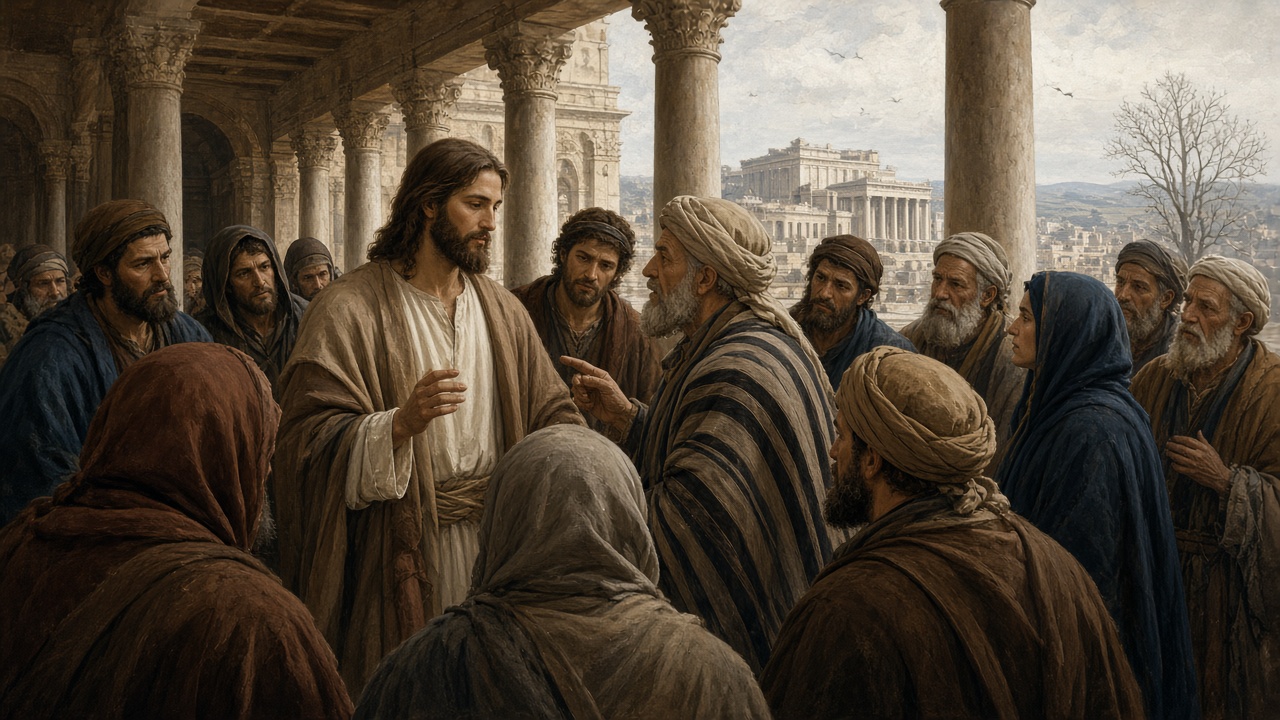
- En la Fiesta de la Dedicación, en Jerusalén, era invierno, y Jesús caminaba por los atrios del templo, en el Pórtico de Salomón. El nombre Jerusalén, en forma dual, significa "posesión de la paz" o "fundación de la paz"; esa forma probablemente se refiere a los montes Sión y Moriah o, como algunos suponen, a la ciudad alta y la ciudad baja. El nombre hebreo de Salomón, Shelomoh, significa "pacífico".Fuentes: el propio texto bíblico · Jerusalem · Solomon
- Una cronología de los episodios evangélicos sitúa la enseñanza del Buen Pastor en el año 29 d.C. y un tiempo de enseñanza y curación, de Perea a Jerusalén, en el año 30 d.C.Fuentes: The Good Shepherd Teaching · Teaching and Healing in Perea to Jerusalem
- Jesús volvió entonces al otro lado del Jordán, al lugar donde Juan había comenzado a bautizar, y muchas personas allí creyeron en él. Juan era de linaje sacerdotal: su padre, Zacarías, era sacerdote del turno de Abías, y su madre, Elisabet, era de las hijas de Aarón. Su nacimiento, seis meses antes que el de Jesús, fue anunciado por un ángel; quienes acudían decían que Juan nunca hizo ninguna señal, pero que todo lo que había dicho acerca de Jesús era verdad.Fuentes: el propio texto bíblico · John the Baptist
Notas escritas con ayuda de IA a partir de fuentes abiertas (Theographic Bible Metadata, CC BY-SA 4.0; Easton’s Bible Dictionary, dominio público) y revisadas antes de publicarse.
Lugares de este capítulo
- Jerusalem · 31.777, 35.234 · versículo 22
- Solomon’s Portico · Hoy: in Jerusalem · 31.777, 35.234 · versículo 23
- Jordan · Hoy: Jordan River · 31.761, 35.558 · versículo 40
Solo aparecen lugares identificados con alta confianza (90 % o más según las fuentes académicas reunidas por OpenBible). Mapa de la época: DARE (Digital Atlas of the Roman Empire), CC BY 4.0; mapa actual: © colaboradores de OpenStreetMap; lugares: OpenBible.info (CC BY 4.0).
Créditos y licencia de esta traducción
Tupàn ze'eg
Bible without Deuterocanon in Guajajára (BR:gub:Guajajára)
copyright © 2007 Wycliffe Bible Translators, Inc.
Language: Guajajára
Translation by: Wycliffe Bible Translators, Inc.
Guajajára [gub], Brazil
Copyright Information
© 2007, Wycliffe Bible Translators, Inc. All rights reserved.
This translation text is made available to you under the
terms of the Creative Commons License: Attribution-Noncommercial-No Derivative Works.
( http://creativecommons.org/licenses/by-nc-nd/3.0/ )
In addition, you have permission to port the text to different file formats, as long as you
do not change any of the text or punctuation of the Bible.
You may share, copy, distribute, transmit, and extract portions
or quotations from this work, provided that you include the above copyright
information:
You must give Attribution to the work.
You do not sell this work for a profit.
You do not make any derivative works that change any of the actual words or punctuation of the Scriptures.
Permissions beyond the scope of this license may be
available if you contact
us with your request.
Printed book ISBN 9788531109713
The Bible without Deuterocanon
in Guajajára
© 2007, Wycliffe Bible Translators, Inc. All rights reserved.
This translation is made available to you under the terms of the
Creative Commons Attribution-Noncommercial-No Derivatives license 4.0.
You may share and redistribute this Bible translation or extracts from it in any format, provided that:
You include the above copyright and source information.
You do not sell this work for a profit.
You do not change any of the words or punctuation of the Scriptures.
Pictures included with Scriptures and other documents on this site are licensed just for use with those Scriptures and documents.
For other uses, please contact the respective copyright owners.
2020-03-30
Fuente: http://ebible.org/gubBl/ · eBible.org