Jeremías 17
Tupàn ze'eg · Toca un versículo para ver sus referencias cruzadas.
Zuta ywy rehe har ikatu 'ygwer wanehe izepyk àwàm
1Uze'eg wi Tupàn Tuweharupi Wiko Ma'e kury.
— Teko Zuta ywy rehe har wà, pemuapyk penemiapo kwer ikatu 'ym ma'e kair haw itaper iapo pyrer hakwa katu ma'e pupe. Pemuapyk ita hakwa katu ma'e tàtàahy ma'e niàmà her ma'e pupe pepy'a pe. Pemuapyk pema'ea'yr hapy haw hakwa iapyr wà no. 2Pena'yr ima'enukwaw ma'ea'yr hapy haw rehe wà. Ima'enukwaw ywyra imupu'àm pyrer tupàn a'ua'u romo iapo pyrer wanehe wà no. Pemupu'àm tupàn kuzà Azera her ma'e henataromo pe wà, ywyra ikyr katu ma'e wanuwake pe wà, ywytyr apyr wà, 3ywytyruhu peywy imyter pe har rehe pe wà. Ama'ereko putar peàmàtyry'ymar wapy'a pupe ihe nehe. Na'e weraha putar penemetarer paw pewi wà nehe. Weraha putar pema'e hekuzar katu ma'e paw pewi wà nehe no. Ta'e pezapo ikatu 'ym ma'e ko ywy nànàn pe xe. 4Pehem putar peho ywy peme heremimur kwer wi nehe. Apumuigo kar putar amo wanupe uma'ereko e ma'e romo ihe nehe no, ywy penemigwaw 'ym rehe ihe nehe no. Ta'e hekwahy haw nuzawy kwaw tata a'e xe. Nuwew pixik kwaw nehe, i'i Tupàn.
Ma'e kwaw katu haw rehe ima'enukwaw paw
5Uze'eg wi Tupàn Tuweharupi Wiko Ma'e kury.
— Aze amo utyryk ihewi nehe,
aze uzeruzar amo wanehe nehe,
aze uzeruzar teko ikàg 'ym ma'e wakàgaw rehe nehe, amono putar heze'egaiw hehe nehe.
6Nuzawy kwaw ka'a ywyxiguhu pe har.
Nuzawy kwaw ma'e ywyxinig rehe hezuz ma'e,
ywy xa heta haw pe
amo ma'e hezuz 'ymaw pe hezuz ma'e.
Nuzeapo kwaw ikatu ma'e izupe.
7Aze amo uzeruzar herehe nehe, aze heta Tupàn Tuweharupi Wiko Ma'e rehe izeruzar haw izupe nehe,
amono putar heze'egatu hehe nehe.
8Nuzawy kwaw ywyra 'y huwake izutym pyrer.
Umuhàmuhàz wapo te yrykaw pe.
Haku haw ihem mehe
nuxinig kwaw.
Huwer huweramukyr katu tuweharupi.
Àmàn ikyr 'ym mehe
nuzekaiw kwaw hehe.
I'a wiwi a'e.
9Mo upuner teko wapy'a ikwaw paw rehe wà.
Naheta kwaw purupe hemu'em ma'e wazàwenugar wà.
Nuzawy kwaw ima'eahy tetea'u ma'e. Naheta kwaw imukatu àwàm.
10Ihe Tupàn Tuweharupi Wiko Ma'e ihe, ame'e teko wama'enukwaw paw rehe.
Agaw teko wapy'a.
Areko teko wanereko hexak ire ihe wà,
wanemiapo hexak ire wà.
11Aze awa omono'og temetarer amo wanehe umunar pà,
nuzawy kwaw wiràmiri amo wiràmiri hupi'a ikwaku har a'e.
Wikuwe mehe hemetarer uhem izuwi.
Iahykaw rehe, — Iranaiw ma'e, i'i teko izupe wà.
12Tupàn Hàpuzuhu zanemyter pe har a'e, Nuzawy kwaw tuwihawete henaw ipuràg eteahy ma'e a'e.
Izypy mehe arer we ywytyr iaiha ma'e rehe hin a'e no.
13O Tupàn Tuweharupi Wiko Ma'e, ereiko teko Izaew izuapyapyr wanemiàro romo ne.
Nereitykar paw wiko putar ikàg 'ym ma'e romo wà nehe.
Ukàzym putar her ywyxig rehe imuapyk pyr ài wà nehe.
Ta'e nereityk a'e wà xe, Tupàn Tuweharupi Wiko Ma'e,
'ytyzuzàmaw 'y ikatu ma'e imur har zàwenugar.
Zeremi wenoz upytywà àwàm Tupàn pe a'e
14O Tupàn Tuweharupi Wiko Ma'e, hemukatu pe nehe. Nezewe mehe hekatu putar nehe. Hepyro pe nehe no. Nezewe mehe amuzàg putar zegar haw nekatu haw imume'u har ihe nehe no.
15Amogwer uze'eg nezewe ihewe wà.
— Tupàn Tuweharupi Wiko Ma'e umume'u ikatu 'ym ma'e urewe wemiapo ràm a'e. Màràzàwe tuwe nuzapo kwaw. Tuwe uzapo na'arewahy nehe kury, i'i wà.
16Hezar. — Emu'ar kar neze'egaiw wanehe nehe, na'e pixik kwaw newe ihe. — Tuwe zawaiw katu waneko àwàm nehe, na'e kwaw newe. O Tupàn, erekwaw ko ma'e ne. Erekwaw heremimume'u kwer. 17Eiko zo hemukyzeahy kar har romo nehe. Ereiko putar hemimaw romo iaiw paw 'ar tur mehe nehe. 18Tuwe ma'erahy ihewe ipuraraw har wiko ikàg 'ym ma'e romo wà nehe. Tuwe ihe naiko kwaw ikàg 'ym ma'e romo wazàwe nehe. Tuwe tynehem ma'e wi kyzeahy haw pupe wà nehe. Tuwe nuzeapo kwaw nezewe haw ihewe nehe. Emu'ar kar iaiw paw wanehe nehe. Emumaw tuwe ne wà nehe.
Mytu'u haw 'ar a'e
19Tupàn Tuweharupi Wiko Ma'e uze'eg ihewe.
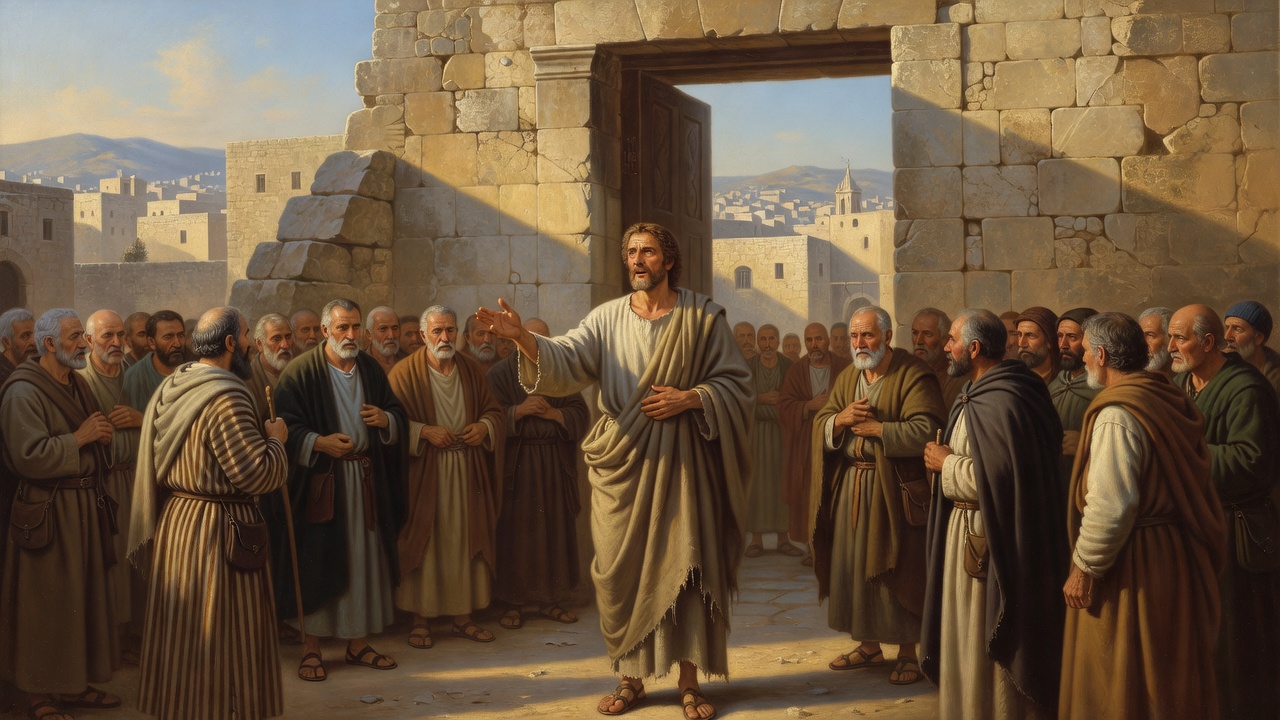
— Zeremi, i'i. — Epyta eho ukenawhu Teko her ma'e huwake nehe. Zuta ywy rehe har wanuwihawete wixe Zeruzarez pupe a'e ukenawhu rupi wà. Uhem a'e wi hupi wà no. A'e re eho amogwer Zeruzarez pàrirogawtàtà hukenawhu pe nehe no. 20— Peinu Tupàn ze'eg nehe, ere ukenawhu rupi wixe ma'e paw wanupe nehe: tuwihawete wanupe, teko Zuta ywy rehe har paw wanupe, Zeruzarez pe har paw wanupe. 21Eze'eg nezewe wanupe nehe, — Aze peikuwe wiwi nehe, peraha zo ipuhuz ma'e mytu'u haw 'ar mehe nehe. A'e 'ar mehe perur zo ma'e Zeruzarez hukenawhu rupi nehe. 22Peraha zo ma'e penàpuz wi nehe. Pema'ereko zo mytu'u haw 'ar mehe nehe. Pemonokatu mytu'u haw 'ar Tupàn pe nehe, ize'eg awer peipy wanupe imume'u pyrer rupi katete nehe. 23Peipy nuenu kwaw heze'eg wà. Nuzekaiw kwaw hehe wà. Wiko hereruzar 'ymar romo wà. Na'ipureruzar wer kwaw heze'eg rehe wà. Na'izemu'e wer kwaw wà, ere wanupe nehe, i'i ihewe.
24— Peruzar Tupàn pepy'a nànàn nehe. Mytu'u haw 'ar mehe perur zo ipuhuz ma'e 'aw tawhu hukenawhu rupi nehe. Pemonokatu mytu'u haw 'ar Tupàn pe nehe. Pema'ereko zo a'e 'ar mehe nehe. 25Aze peruzar ko Tupàn ze'eg nehe, penuwihawete a'e wà nehe, wana'yr a'e wà nehe no, wixe putar Zeruzarez hukenawhu rupi a'e wà nehe. Upuner putar tuwihawete Tawi ài wà nehe. Wata putar ywyramawa pupe wà nehe. Wata putar kawaru kupe pe wà nehe no, Zuta ywy rehe har wanupi wà nehe, Zeruzarez pe har wanupi wà nehe no. Tuweharupi heta putar teko Zeruzarez tawhu pupe wà nehe no. 26Ur putar tawhu Zuta ywy rehe har wanuwi wà nehe, taw Zeruzarez izywyr har wanuwi wà nehe no, Mezàmi ywy wi wà nehe no, ywytyr heta 'ymaw wà nehe no, ywytyr kwarahy ihemaw awyze har kutyr har wanuwi wà nehe no. Werur putar ma'e hapy pyràm heràpuzuhu pe wà nehe. Werur putar ma'ea'yr izuka pyràm wà nehe no. Werur putar arozràn wà nehe, yhyk zàwenugar wà nehe no, hekatu haw hekuzar ràm wà nehe no. 27Aze nahereruzar kwaw wà nehe, aze nomonokatu kwaw mytu'u haw 'ar ihewe wà nehe, aze werur ipuhuz ma'e tawhu hukenawhu rupi wà nehe, amunyk putar tata a'e ukenawhu rehe ihe nehe. A'e tata wapy putar tàpuzuhu Zeruzarez pe har paw nehe. Ni amo nupuner kwaw imuwew kar haw rehe wà nehe, i'i Tupàn ihewe.
¿Sabías que…?
La confianza, el corazón y el día de reposo
- El estilo de hierro y la punta de diamante eran herramientas antiguas utilizadas para grabar inscripciones profundas y permanentes en piedra o metal. Jeremías emplea esta imagen para resaltar que la idolatría de Judá no era superficial, sino que estaba profundamente grabada en sus corazones y en los cuernos de sus altares.Fuentes: el propio texto bíblico
- Jeremías contrasta un arbusto solitario en el desierto árido y salitroso con un árbol frondoso plantado junto a una corriente de agua. Un árbol cuyas raíces alcanzan el agua se mantiene verde y produce fruto incluso en años de sequía, representando a quienes confían en Dios en lugar de las fuerzas humanas.Fuentes: el propio texto bíblico
- Jeremías recibió la instrucción de proclamar el mensaje divino en las puertas de Jerusalén, prohibiendo el traslado de cargas en el día de reposo. Guardar este día aseguraba la continuidad de los reyes en el trono de David y la llegada de adoradores de la tierra de Benjamín, de Judá y del Neguev.Fuentes: el propio texto bíblico · David · Benjamin (patriarch) · Jerusalem
Notas escritas con ayuda de IA a partir de fuentes abiertas (Theographic Bible Metadata, CC BY-SA 4.0; Easton’s Bible Dictionary, dominio público) y revisadas antes de publicarse.
Lugares de este capítulo
- Arabah · 30.417, 35.151 · versículo 6
- Jerusalem · 31.777, 35.234 · versículos 19, 20, 21, 25, 26, 27
- People’s Gate · Hoy: in Jerusalem · 31.777, 35.234 · versículo 19
- Negeb · 31.245, 34.841 · versículo 26
- Shephelah · 31.692, 34.875 · versículo 26
Solo aparecen lugares identificados con alta confianza (90 % o más según las fuentes académicas reunidas por OpenBible). Mapa de la época: DARE (Digital Atlas of the Roman Empire), CC BY 4.0; mapa actual: © colaboradores de OpenStreetMap; lugares: OpenBible.info (CC BY 4.0).
Créditos y licencia de esta traducción
Tupàn ze'eg
Bible without Deuterocanon in Guajajára (BR:gub:Guajajára)
copyright © 2007 Wycliffe Bible Translators, Inc.
Language: Guajajára
Translation by: Wycliffe Bible Translators, Inc.
Guajajára [gub], Brazil
Copyright Information
© 2007, Wycliffe Bible Translators, Inc. All rights reserved.
This translation text is made available to you under the
terms of the Creative Commons License: Attribution-Noncommercial-No Derivative Works.
( http://creativecommons.org/licenses/by-nc-nd/3.0/ )
In addition, you have permission to port the text to different file formats, as long as you
do not change any of the text or punctuation of the Bible.
You may share, copy, distribute, transmit, and extract portions
or quotations from this work, provided that you include the above copyright
information:
You must give Attribution to the work.
You do not sell this work for a profit.
You do not make any derivative works that change any of the actual words or punctuation of the Scriptures.
Permissions beyond the scope of this license may be
available if you contact
us with your request.
Printed book ISBN 9788531109713
The Bible without Deuterocanon
in Guajajára
© 2007, Wycliffe Bible Translators, Inc. All rights reserved.
This translation is made available to you under the terms of the
Creative Commons Attribution-Noncommercial-No Derivatives license 4.0.
You may share and redistribute this Bible translation or extracts from it in any format, provided that:
You include the above copyright and source information.
You do not sell this work for a profit.
You do not change any of the words or punctuation of the Scriptures.
Pictures included with Scriptures and other documents on this site are licensed just for use with those Scriptures and documents.
For other uses, please contact the respective copyright owners.
2020-03-30
Fuente: http://ebible.org/gubBl/ · eBible.org