Isaías 50
Tupàn ze'eg · Toca un versículo para ver sus referencias cruzadas.
1Tupàn Tuweharupi Wiko Ma'e uze'eg wemiaihu wanupe.
— Aipo ihe apomono kar peywy wi ihe, awa wemireko wi upuir ma'e ài ihe.
Ma'e pe pemonokatu pape hepuir awer imume'u haw.
Aipo ihe apume'eg uma'ereko e ma'e romo amo pe henewer haw wamekuzar pà ihe.
Nan. Amo pepyhyk peneraha a'e wà, ta'e ikatu 'ym ma'e tetea'u iapo har romo peiko pe xe.
Pekatu 'ymaw uhua'u. A'e rupi apomono kar wanupe ihe.
2Aha pepyro pà ihe. Màràzàwe tuwe ni amo noho kwaw heruwàxi pà wà.
Apuenoz ihe. Màràzàwe tuwe ni amo nuwazar kwaw heze'eg penenoz mehe ihewe wà.
Aipo ko 'ar rehe napuner kwaw pepyro haw rehe ihe.
Aipo hekàgaw paw uhem ihewi a'e.
Nan. Aze mo amume'u pitài ze'eg, yryhu typaw mo a'e.
Amumaw mo 'y. Yrykawhu uzeapo mo ywyxiguhu romo.
Pira umàno mo wiwez pà wà.
Uzypyrog mo inem pà wà.
3Apuner ywak imupihunaw rehe.
Apuner kamirpuku umàno ma'e kwer itymaw rehe har imunehew kar pà izupe,
i'i Tupàn.
Tupàn hemiruze'eg upuraraw ma'erahy a'e
4Zanezar Tupàn Tuweharupi Wiko Ma'e hemu'e herereko heremiapo ràm rehe a'e.
Nezewe mehe amurywete kar putar ikene'o ma'e ihe wà nehe.
Tuweharupi ku'em mehe hemurywete kar a'e,
a'e rupi ainu katu ize'eg a'e 'ar rehe har.
5Zanezar Tupàn Tuweharupi Wiko Ma'e ukwaw katu kar ma'e ihewe.
Naiko kwaw ize'eg heruzar 'ymar romo. Nazàwehem kwaw izuwi ihe.
6Aruwak hekupe wakutyr hezepetepetek kar pà wanupe ihe.
Aexak kar heruwa heamutaw i'ok arer wanupe no.
Nazeàmim kwaw herehe waze'eg urywahyahy mehe.
Uzenymon heruwa rehe wà.
7Nahemaranugar kwaw ihe kury,
Ta'e Zanezar Tupàn Tuweharupi Wiko Ma'e hepytywà a'e xe.
A'e rupi hekàg itahu ài.
Akwaw hemumaranugar kar 'ym àwàm ihe.
8Ta'e hepytywà har heruwake hekon a'e xe.
Aipo amo umume'u putar ma'e hekutyr wà nehe.
Aha putar hupi tuwihaw wanenataromo nehe.
Aipo amo ipurumume'u wer heremiapo kwer rehe tuwihaw wanupe.
Tuwe ur imume'u pà nehe.
9Zanezar Tupàn Tuweharupi Wiko Ma'e hepytywà hepyro pà heàmàtyry'ymar wanuwi.
A'e rupi ni amo nupuner kwaw herehe uzepykaw rehe wà nehe.
Heàmàtyry'ymar paw ukàzym putar wà nehe.
Nuzawy kwaw topoz ykyzu wanemi'u kwer wanemimumaw kwer a'e wà.
10Pezeapyaka katu nehe, pe Tupàn Tuweharupi Wiko Ma'e wi ukyze ma'e wà.
Pezeapyaka hemiruze'eg ize'eg rehe nehe.
Aze pe peho àwàm ipytun nehe,
Aze naheta pixik kwaw tatainy hupi nehe,
pezeruzar Tupàn Tuweharupi Wiko Ma'e rehe nehe.
Peiko izar rehe uzeruzar ma'e romo nehe.
11Pe tata imunykar wà,
pe u'yw ukaz ma'e hereko har wà,
pe'ar putar tata penemimunyk pupe nehe.
U'yw penemimuàgy'ygwer pekutuk putar pezuka pà a'e wà nehe.
Tupàn Tuweharupi Wiko Ma'e umur kar putar ko zepykaw penehe nehe.
Ma'erahy iaiwahy ma'e ipuraraw pàwàm penàro iko a'e.
¿Sabías que…?
El Siervo Obediente y la Reivindicación Divina
- En las costumbres legales del antiguo Cercano Oriente, el esposo emitía una carta de divorcio para formalizar la separación, y los deudores empobrecidos podían entregar a sus hijos en servidumbre. En Isaías 50:1, Dios utiliza estas metáforas jurídicas para demostrar que Israel no fue abandonado por una deuda divina ni por una anulación permanente del pacto, sino a causa de sus propias transgresiones.Fuentes: el propio texto bíblico
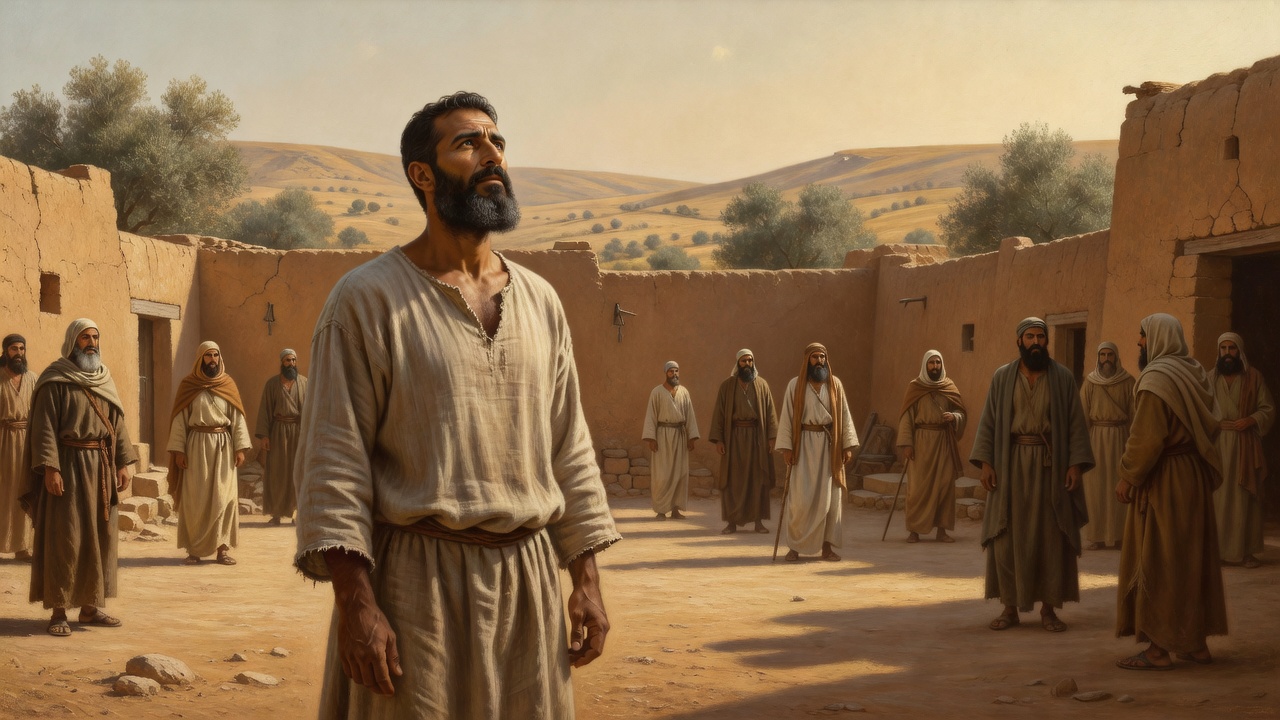
- El orador en Isaías 50:4–7 describe la actitud de un discípulo atento que soporta voluntariamente maltratos físicos, incluidos golpes, el arrancamiento de su barba y escupitajos. Poner el rostro 'como el pedernal' es una expresión vívida que denota una determinación inquebrantable y una firme confianza en Dios frente a la vergüenza pública y la hostilidad.Fuentes: el propio texto bíblico
Notas escritas con ayuda de IA a partir de fuentes abiertas (Theographic Bible Metadata, CC BY-SA 4.0; Easton’s Bible Dictionary, dominio público) y revisadas antes de publicarse.
Créditos y licencia de esta traducción
Tupàn ze'eg
Bible without Deuterocanon in Guajajára (BR:gub:Guajajára)
copyright © 2007 Wycliffe Bible Translators, Inc.
Language: Guajajára
Translation by: Wycliffe Bible Translators, Inc.
Guajajára [gub], Brazil
Copyright Information
© 2007, Wycliffe Bible Translators, Inc. All rights reserved.
This translation text is made available to you under the
terms of the Creative Commons License: Attribution-Noncommercial-No Derivative Works.
( http://creativecommons.org/licenses/by-nc-nd/3.0/ )
In addition, you have permission to port the text to different file formats, as long as you
do not change any of the text or punctuation of the Bible.
You may share, copy, distribute, transmit, and extract portions
or quotations from this work, provided that you include the above copyright
information:
You must give Attribution to the work.
You do not sell this work for a profit.
You do not make any derivative works that change any of the actual words or punctuation of the Scriptures.
Permissions beyond the scope of this license may be
available if you contact
us with your request.
Printed book ISBN 9788531109713
The Bible without Deuterocanon
in Guajajára
© 2007, Wycliffe Bible Translators, Inc. All rights reserved.
This translation is made available to you under the terms of the
Creative Commons Attribution-Noncommercial-No Derivatives license 4.0.
You may share and redistribute this Bible translation or extracts from it in any format, provided that:
You include the above copyright and source information.
You do not sell this work for a profit.
You do not change any of the words or punctuation of the Scriptures.
Pictures included with Scriptures and other documents on this site are licensed just for use with those Scriptures and documents.
For other uses, please contact the respective copyright owners.
2020-03-30
Fuente: http://ebible.org/gubBl/ · eBible.org