Isaías 21
Tupàn ze'eg · Toca un versículo para ver sus referencias cruzadas.
Uze'eg Mawiron heityk àwàm rehe
1Na'aw ze'eg Mawiron kutyr har xe kury: Ywyxiguhu yryhu iwyr har, i'i teko izupe wà:
Ywytuaiw upeipeir ywy kwarahy hemaw awyze har kutyr har hereko.
Nezewegatete puruzuka ma'e ràm ur putar ywyxiguhu wi a'e. Teko ukyze tuwe a'e ywyxiguhu wi wà.
2Tupàn wexak kar iaiw ma'e ihewe:
Teko uzuka wànàm ywy nànàn wà. Teko uzuka umyrypar wà no. Umumaw tawhu paw wà.
Zauxiapekwer Eràw rehe har wà, pezàmàtyry'ym peàmàtyry'ymar peho pe wà nehe.
Zauxiapekwer Mez rehe har wà, pemàmàn tawhu waiwyr nehe.
Mawiron upuraraw kar ma'erahy purupe a'e wà. Tupàn umupytu'u kar ipuraraw ire wà nehe.
3A'e ma'e hexak mehe nakwaw kwaw hehem àwàm izuwi ihe.
Apuraraw teko kuzà umemyrahy ma'e ài ihe.
Napuner tària'i kwaw ma'erenu haw rehe. Ta'e hahy tuwe ihewe xe.
Napuner kwaw ma'erexakaw rehe. Ta'e hekàgaw uhem ihewi a'e xe.
4Nakwaw kwaw ma'e. Aryryryryz hekyze pà.
— Pyhaw hekatu wewer putar nehe, a'e zepe hezeupe.
Pyhaw akyze wera'u.
5Hepuahu zàwenugar pe aexak amo mai'u haw uhua'u ma'e Mawiron pe imuhyk pyrer.
Henoz pyrer wapyk àwàm uhyk wanupe.
Henoz pyrer umai'u tetea'u wà. Uwi'u win tetea'u pupe wà no.
Na'arewahy a'e 'ar mehe we amo umume'u ko ze'eg a'e pe har wanupe.
— Tuwihaw wà: pepu'àm petakihepuku ipyhyk pà nehe, i'i wanupe.
6Tupàn hezar uze'eg nezewe ihewe ma'e iapo kar pà ihewe kury.
— Eho amo zauxiapekwer ume'egatu ma'e imupu'àm pà nehe.
— Aze erexak ma'e nehe, emume'u purupe nehe, ere izupe nehe, i'i ihewe. — Emume'u neremixak kwer paw rupi nehe, ere izupe nehe.
7Tuwe ume'egatu nehe.
Aze wexak awa kawaru ku'az har tetea'u
mokomokogatu wanur mehe wà nehe,
aze wexak awa zumen ku'az har wà nehe no, aze wexak awa kawarukupewa'a kamer her ma'e ku'az har wà nehe no, tuwe umume'u wanur haw wà nehe, i'i hezar ihewe.
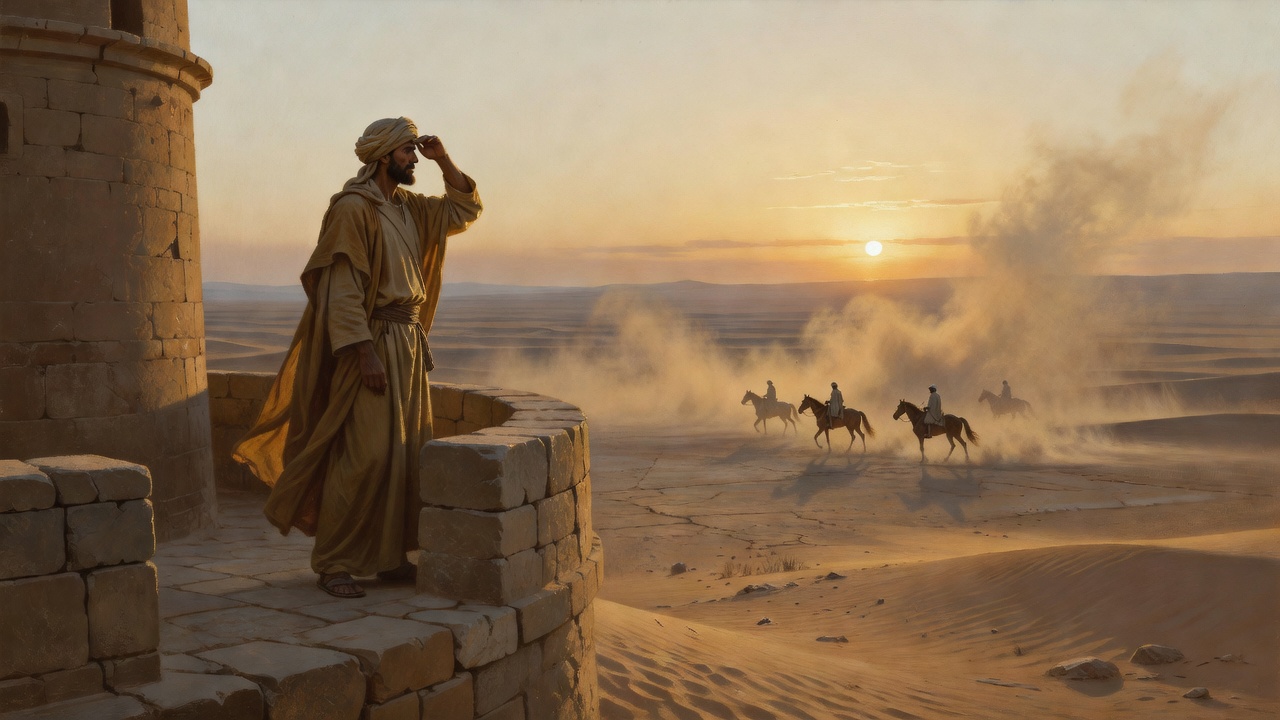
8Na'e uhapukaz ume'e ma'e a'e kury.
— Hezar, tuweharupi apyta heme'e haw pe, 'aromo, pyhaw no.
Tuweharupi ame'e te'àm ihe.
9— Peme'egatu kury. Na pe ur kawaru ku'az har
waiko mokomokogatu wà kury, i'i.
A'e re uze'eg wi.
— U'ar a'e. U'ar Mawiron a'e.
Tupàn a'ua'u hagapaw
uzekazeka ywy rehe wà kury, i'i.
10Pe heremiaihu pe, ihe apuraraw kar ma'erahy peme ihe.
Teko oxooxok arozràn imono'ogaw pe wà. Nezewegatete apetepetek heremiaihu ihe wà.
Amume'u ko ze'eg iteko peme kury.
Tupàn Tuweharupi Wiko Ma'e Ikàg Wera'u Ma'e Izaew wazar umume'u kar ihewe a'e.
Uze'eg Enom ywy rehe har wanehe kury
11Na'aw Tupàn ze'eg Enom wakutyr har xe kury.
Amo Enom ywy rehe har herenoz ihewe uze'eg pà nezewe a'e.
— Ume'egatu ma'e, màràn or heta we kwarahy ihemaw 'ym mehe we.
Ume'egatu ma'e, màràn mehe upaw putar ipytunahy haw nehe, i'i ihewe.
12Ume'egatu ma'e uwazar ize'eg izupe,
— Iku'em putar nehe. Nezewe rehe we uhem wi putar ipytunahy haw nehe,
Aze nepuranu wi wer hehe nehe,
ezewyr hehe nepuranu wi pà nehe, i'i izupe.
Uze'eg Àràw ywy rehe har wanehe kury
13Na'aw ze'eg Àràw wakutyr har xe nehe kury:
Teko Nenà izuapyapyr wà,
zauxiapekwer wanuwi uzàwehem ma'e kwer wà, uzapo uker haw ywyxiguhu rehe wà, ta'e ukyze wà xe.
14Tema tawhu pe wiko ma'e wà, pepytywà Nenà izuapyapyr pe wà nehe.
Pemono 'y wanupe nehe. Pemono temi'u wanupe nehe.
15Ta'e uzàwehem oho waiko zeàmàtyry'ymawhu teko tetea'u wazuka haw wi wà xe.
Uzeagaw wàmàtyry'ymar wanuwi uhemaw rehe wà.
Wàmàtyry'ymar ipuruzuka wer Nenà izuapyapyr wanehe utakihepuku pupe wà,
uwyrapar pupe wà no, u'yw pupe wà no.
16Tupàn hezar uze'eg ihewe a'e.
— Xe wi pitài kwarahy ipaw 'ym mehe we teko Kenar izuapyapyr wakàgaw upaw putar wanuwi nehe. 17Xo màràmàràn upuruzywà ma'e Kenar izuapyapyr wikuwe putar a'e 'ar mehe wà nehe. Ihe Tupàn Tuweharupi Wiko Ma'e Ikàg Wera'u Ma'e Izaew wazar amume'u ko ze'eg kwez ihe kury.
¿Sabías que…?
Visiones sobre Babilonia y las Naciones del Desierto
- Isaías 21 comienza con una visión que convoca a Elam y a Media al ataque, culminando en la proclama de que Babilonia ha caído y sus imágenes talladas han sido destruidas. Elam y Media eran regiones montañosas situadas al oriente de Babilonia.Fuentes: el propio texto bíblico · Elam · Media
- El oráculo contra Arabia menciona a Cedar, un nombre vinculado a las tribus nómadas que habitaban el noroeste de la península arábiga. La profecía describe caravanas que huyen de la guerra por el desierto y advierte que los famosos arqueros y guerreros de Cedar se reducirán en solo un año.Fuentes: el propio texto bíblico · Kedar · Kedar
- El capítulo está articulado mediante la imagen de un centinela apostado día y noche en una torre de vigilancia. Este atalaya observa la llegada de jinetes en parejas y responde a las preguntas angustiadas que llegan desde Seir sobre cuánto queda de la noche.Fuentes: el propio texto bíblico
Notas escritas con ayuda de IA a partir de fuentes abiertas (Theographic Bible Metadata, CC BY-SA 4.0; Easton’s Bible Dictionary, dominio público) y revisadas antes de publicarse.
Lugares de este capítulo
- Babylon · 32.543, 44.422 · versículos 1, 2, 9
- Negeb · 31.245, 34.841 · versículo 1
- Elam · 32.189, 48.258 · versículo 2
- Media · 34.806, 48.516 · versículo 2
- Arabia · Hoy: Arabian Peninsula · 23.000, 46.000 · versículo 13
- Tema · Hoy: Tayma · 27.630, 38.552 · versículo 14
- Kedar · 29.811, 39.868 · versículos 16, 17
Solo aparecen lugares identificados con alta confianza (90 % o más según las fuentes académicas reunidas por OpenBible). Mapa de la época: DARE (Digital Atlas of the Roman Empire), CC BY 4.0; mapa actual: © colaboradores de OpenStreetMap; lugares: OpenBible.info (CC BY 4.0).
Créditos y licencia de esta traducción
Tupàn ze'eg
Bible without Deuterocanon in Guajajára (BR:gub:Guajajára)
copyright © 2007 Wycliffe Bible Translators, Inc.
Language: Guajajára
Translation by: Wycliffe Bible Translators, Inc.
Guajajára [gub], Brazil
Copyright Information
© 2007, Wycliffe Bible Translators, Inc. All rights reserved.
This translation text is made available to you under the
terms of the Creative Commons License: Attribution-Noncommercial-No Derivative Works.
( http://creativecommons.org/licenses/by-nc-nd/3.0/ )
In addition, you have permission to port the text to different file formats, as long as you
do not change any of the text or punctuation of the Bible.
You may share, copy, distribute, transmit, and extract portions
or quotations from this work, provided that you include the above copyright
information:
You must give Attribution to the work.
You do not sell this work for a profit.
You do not make any derivative works that change any of the actual words or punctuation of the Scriptures.
Permissions beyond the scope of this license may be
available if you contact
us with your request.
Printed book ISBN 9788531109713
The Bible without Deuterocanon
in Guajajára
© 2007, Wycliffe Bible Translators, Inc. All rights reserved.
This translation is made available to you under the terms of the
Creative Commons Attribution-Noncommercial-No Derivatives license 4.0.
You may share and redistribute this Bible translation or extracts from it in any format, provided that:
You include the above copyright and source information.
You do not sell this work for a profit.
You do not change any of the words or punctuation of the Scriptures.
Pictures included with Scriptures and other documents on this site are licensed just for use with those Scriptures and documents.
For other uses, please contact the respective copyright owners.
2020-03-30
Fuente: http://ebible.org/gubBl/ · eBible.org