Eclesiastés 10
Tupàn ze'eg · Toca un versículo para ver sus referencias cruzadas.
1Amo meru umàno ma'e kwer upuner kàpuhàg zàwenugar zutahyky'a ipor imuaiw haw rehe wà. Nezewegatete ranaiw haw pixika'i ma'e upuner ma'e kwaw katu haw imuaiw haw rehe no. 2Ikatu ma'e iapo haw nazawaiw kwaw Ma'e Kwaw Katu Har pe. Iranaiw ma'e pe nazawaiw kwaw iawy haw iapo haw. 3Teko paw wexak iranaiw ma'e romo heko haw wà. Te ikwaw 'ymar wexak ima'e kwaw 'ymaw wà.
4Aze amo tuwihaw wikwahy newe nehe, epytu'u zo heruzar ire nehe. Umunàn putar ru'u neremiapo kwer ikatu 'ym ma'e nehe, aze erepytu'u izuwi nekyze re nehe.
5Tuwihaw ko ywy rehe har uzapo amo ikatu 'ym ma'e wemiruze'eg wanupe. 6Umuigo kar iranaiw ma'e tuwihaw ikàg ma'e romo wà. Numuigo kar kwaw ma'e kwaw par tuwihaw romo wà. 7Aexak amo pe uma'ereko e ma'e kawaru ku'az wata mehe ihe wà. Aexak tuwihaw ta'yr upy rehe wata mehe ihe wà no, amo pe uma'ereko e ma'e zàwenugar romo wà no.
8Aze amo uzapo ywykwaruhu nehe, u'ar putar ru'u ipupe nehe. Aze amo weityk pàrirogaw iaiha ma'e nehe, mozaiw uxi'u putar ru'u heityk arer nehe. 9Aze amo o'ok ita ywy wi nehe, a'e ita u'ar putar a'e teko ipirok pà nehe. Aze amo omowowok zepe'aw nehe, uzemugaz putar nehe. 10Aze itazy nahaime kwaw nehe, aze neremukatu kwaw nehe, erema'ereko wera'u putar nehe. Ma'e kwaw katu har ima'enukwaw katu wemiapo ràm rehe iapo 'ym mehe we a'e. 11Aze erekwaw mozaiw pe neze'egaw nehe, aze a'e re amo nexi'u nehe, ikwaw paw na'ikatu kwaw newe nehe. 12Aze Ma'e Kwaw Katu Har uze'eg, teko uze'egatu hemigwaw rehe wà. Iranaiw ma'e ize'eg a'e, ize'egaw ae umumaw uzar a'e. 13Uzypyrog uranaiw paw imume'u pà. Iahykaw rehe umume'u ma'e he'o ma'e ài. Umume'u ikatu 'ym ma'e. 14Iranaiw ma'e nupytu'u kwaw uze'eg ire a'e. Ni amo nukwaw kwaw pyhewe uzeapo ma'e ràm a'e wà. Uzeapo putar ma'e zanemàno re nehe. Ni amo nukwaw kwaw a'e ma'e imume'u haw rehe wà.
15Amo awa iranaiw tuwe a'e wà. Nukwaw kwaw ni wàpuz ipiar hexakaw wà. Agwer awa uma'ereko tetea'u a'e wà, te ikene'o uzemumaw pà a'e wà.
16Aze amo ywy rehe har wanuwihaw wenu wemiruze'eg wanemimutar wà nehe, a'e ywy rehe har waneko haw iaiw putar nehe. Aze wanuwihaw Uzypyrog uzemuryw haw rehe izi'itahy wà, iaiw putar a'e ywy rehe har waneko haw nehe. 17Aze wanuwihaw umume'u wemiapo ràm nehe, a'e mehe ikatu putar a'e ywy rehe har waneko haw nehe. Aze tuwihaw ukwaw uzeruze'egaw wà nehe, aze umai'u umai'u haw 'or katu mehe wà nehe, aze nuka'u kwaw wà nehe, a'e mehe ikatu putar a'e ywy rehe har waneko haw nehe.
18Aze neranahy nehe, aze a'e rupi nerezapokatu kwaw neràpuz 'aromo har nehe, heta tetea'u putar itykyr haw hehe nehe. A'e re u'ar putar neràpuz nehe no.
19Mynykawhu zanepytywà zanemuryw katu kar pà. Win zanepytywà zanemurywete kar pà a'e no. Aze naheta kwaw temetarer, naheta kwaw mynykawhu. Naheta kwaw win no.
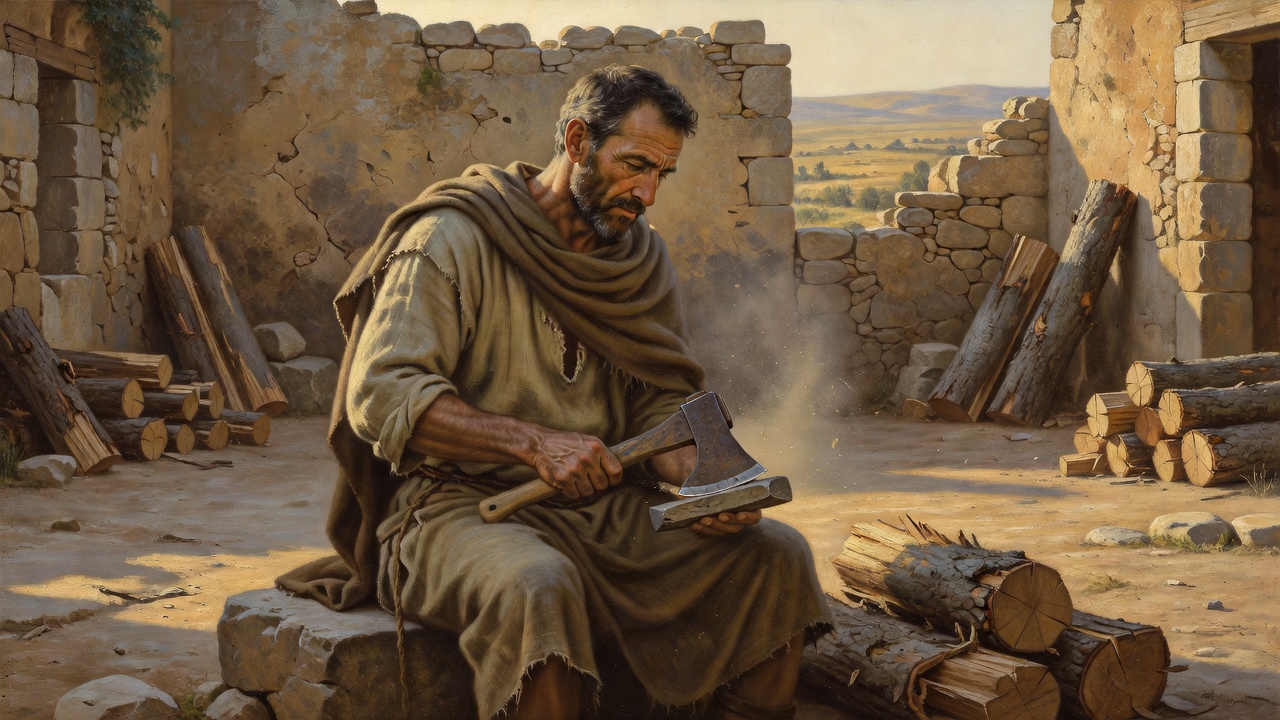
20Eze'eg zemueteahy zo neruwihaw wanehe nehe. Ni nema'enukwaw mehe nehe no. Eze'eg zemueteahy zo hemetarer katu ma'e rehe nehe. Ni neràpuz pupyaikaw pyrer pupe neze'eg mehe nehe. Ta'e aze amo wiràmiri nerenu nehe, upuner oho haw rehe wanupe neze'eg imume'u pà nehe.
¿Sabías que…?
Sabiduría, Necedad y Gobierno
- El capítulo emplea imágenes de la vida cotidiana antigua —como moscas muertas que arruinan el perfume, serpientes en grietas de muros de piedra y hachas sin filo que exigen más esfuerzo físico— para mostrar cómo pequeños errores o la falta de destreza pueden echar a perder grandes esfuerzos.Fuentes: el propio texto bíblico
- El autor contrasta el buen y el mal liderazgo, señalando que una nación sufre cuando su rey es inexperto y sus príncipes banquetean por la mañana en lugar de gobernar con templanza.Fuentes: el propio texto bíblico
- La advertencia de que un ave del cielo podría llevar las palabras pronunciadas contra un gobernante en la alcoba privada refleja el conocimiento antiguo sobre espías en la corte y el riesgo político de las palabras imprudentes.Fuentes: el propio texto bíblico
Notas escritas con ayuda de IA a partir de fuentes abiertas (Theographic Bible Metadata, CC BY-SA 4.0; Easton’s Bible Dictionary, dominio público) y revisadas antes de publicarse.
Créditos y licencia de esta traducción
Tupàn ze'eg
Bible without Deuterocanon in Guajajára (BR:gub:Guajajára)
copyright © 2007 Wycliffe Bible Translators, Inc.
Language: Guajajára
Translation by: Wycliffe Bible Translators, Inc.
Guajajára [gub], Brazil
Copyright Information
© 2007, Wycliffe Bible Translators, Inc. All rights reserved.
This translation text is made available to you under the
terms of the Creative Commons License: Attribution-Noncommercial-No Derivative Works.
( http://creativecommons.org/licenses/by-nc-nd/3.0/ )
In addition, you have permission to port the text to different file formats, as long as you
do not change any of the text or punctuation of the Bible.
You may share, copy, distribute, transmit, and extract portions
or quotations from this work, provided that you include the above copyright
information:
You must give Attribution to the work.
You do not sell this work for a profit.
You do not make any derivative works that change any of the actual words or punctuation of the Scriptures.
Permissions beyond the scope of this license may be
available if you contact
us with your request.
Printed book ISBN 9788531109713
The Bible without Deuterocanon
in Guajajára
© 2007, Wycliffe Bible Translators, Inc. All rights reserved.
This translation is made available to you under the terms of the
Creative Commons Attribution-Noncommercial-No Derivatives license 4.0.
You may share and redistribute this Bible translation or extracts from it in any format, provided that:
You include the above copyright and source information.
You do not sell this work for a profit.
You do not change any of the words or punctuation of the Scriptures.
Pictures included with Scriptures and other documents on this site are licensed just for use with those Scriptures and documents.
For other uses, please contact the respective copyright owners.
2020-03-30
Fuente: http://ebible.org/gubBl/ · eBible.org