Daniel 12
Tupàn ze'eg · Toca un versículo para ver sus referencias cruzadas.
Uzeapo ma'e ràm iahykaw rehe àràm
1Uze'eg wiwi Tupàn heko haw pe har ihewe. — A'e 'ar mehe Tupàn heko haw pe har Migew Tupàn hemiaihu wanehe uzekaiw ma'e uzexak kar putar a'e nehe kury. Heta putar zawaiw katu haw tetea'u a'e 'ar mehe nehe. A'e 'ym mehe nuzeapo pixik kwaw agwer iaiw haw purupe. Aze Tupàn umuapyk amo teko her upape rehe, upyro putar a'e teko a'e nehe. Upyro putar paw rupi wà nehe. 2Teko umàno ma'e kwer tetea'u wikuwe wi putar wà nehe. Amo wereko putar tuweharupi weko àwàm wà nehe. Amo upuraraw putar ma'erahy tuweharupi Tupàn izepyk àwàm wà nehe no, upuraraw putar tuweharupi iaiw haw wà nehe no. 3Purumu'e ma'e ma'e kwaw katu har a'e wà, teko tetea'u ikatu ma'e iapo haw rehe purumu'e ma'e wà nehe, uhyape katu zahytata ài wà nehe. Nuwew pixik kwaw waneny katu haw nehe. 4Ne Taniew ne, Emume'u zo ko ma'e amo wanupe nehe. Ewàpytym a'e pape amo iwàpytymaw pupe nehe. Nezewe mehe ni amo nuwàpytymawok kwaw iahyk 'ym mehe we wà nehe. Teko tetea'u uzàn putar ko rupi wà nehe, uzàn putar kwe rupi wà nehe no. Heko wer putar ma'e kwaw katu wera'u har romo wà nehe.
5Na'e aexak mokoz Tupàn heko haw pe har yrykawhu izywyr upu'àm ma'e ihe wà kury. Wiko uzeakea'i wà. 6Amo upuranu Tupàn heko haw pe har kamir irin iapo pyrer hereko har rehe kury. Yrykawhu ihemaw kutyr hekon. — Ma'e 'ar mehe a'e ma'e ikatuahy ma'e uzeapo putar paw rupi nehe, i'i izupe.
7Tupàn heko haw pe har upir opo ywak ikutyr kury. Uze'eg Tupàn Tuweharupi Wiko Ma'e her rehe kury. — Amume'uahy ko ma'e ihe kury: a'e ma'e paw uzeapo putar na'iruz kwarahy iku'aw har ipaw ire nehe. Tupàn hemiaihu wanupe ma'erahy ipuraraw kar ire uzeapo putar nehe, i'i izupe.
8Nakwaw katu kwaw ize'eg. A'e rupi apuranu hehe. — Emume'u iahykaw rehe har ihewe nehe, a'e izupe.
9Uwazar heze'eg ihewe. — Kutàri, Taniew, erepuner neho haw rehe kury. Emume'u zo amo pe nehe. Xo iahykaw rehe teko ukwaw putar wà nehe. 10Teko tetea'u upuraraw putar ma'erahy wà nehe. Nezewe mehe ikatu putar wà nehe, ikatu wera'u putar Tupàn henataromo wà nehe. Ikatu 'ym ma'e uzapo wiwi ikatu 'ym ma'e oho waiko wà nehe. Ni amo nukwaw kwaw uzeapo ma'e wà nehe. Xo ma'e kwaw katu har ukwaw putar wà nehe. 11A'e tuwihawete umupytu'u kar putar teko ma'ea'yr wazuka re wà nehe. Na'e umuapyk putar iaiwahy haw Tupàn Hàpuzuhu pupe nehe. Na'e umumaw putar 1.290 'ar nehe. 12Tupàn rehe uzeruzar ire upytu'u 'ym ma'e ràm a'e wà, aze umumaw 1.335 'ar upytu'u 'ym pà wà nehe, hurywete putar wà nehe.
13Ne Taniew nekàg wiwi te iahykaw rehe nehe. Eremàno putar nehe. Iahykaw rehe erekweraw wi putar nehe, neremiapo kwer hekuzar ipyhyk pà nehe. Upaw.
¿Sabías que…?
El tiempo del fin y la liberación final
- El texto bíblico identifica a Miguel como el gran príncipe y ángel principal que protege y vigila al pueblo de Israel. En esta visión final, su intervención coincide con un período de angustia sin precedentes, tras el cual todos los inscritos en el libro son librados.Fuentes: el propio texto bíblico · Michael
- Daniel 12 presenta un pasaje explícito sobre la resurrección individual, afirmando que muchos de los que duermen en el polvo de la tierra se despertarán, unos para vida eterna y otros para vergüenza y confusión perpetua. A Daniel se le ordena sellar el libro hasta el tiempo del fin.Fuentes: el propio texto bíblico
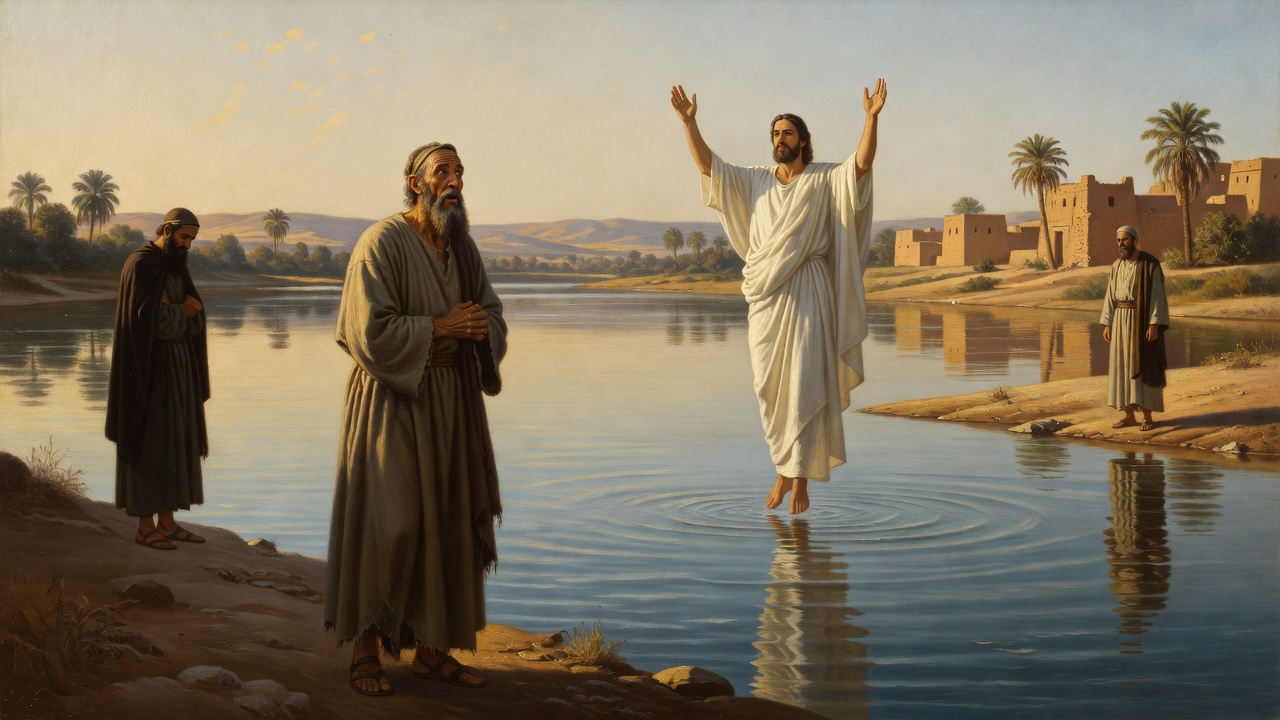
- La visión concluye a orillas de un río, donde aparecen figuras en riberas opuestas y un varón vestido de lino se encuentra sobre las aguas. Al ser consultado sobre el desenlace, el varón alza ambas manos al cielo y jura por el que vive por siempre acerca de los días señalados.Fuentes: el propio texto bíblico
Notas escritas con ayuda de IA a partir de fuentes abiertas (Theographic Bible Metadata, CC BY-SA 4.0; Easton’s Bible Dictionary, dominio público) y revisadas antes de publicarse.
Créditos y licencia de esta traducción
Tupàn ze'eg
Bible without Deuterocanon in Guajajára (BR:gub:Guajajára)
copyright © 2007 Wycliffe Bible Translators, Inc.
Language: Guajajára
Translation by: Wycliffe Bible Translators, Inc.
Guajajára [gub], Brazil
Copyright Information
© 2007, Wycliffe Bible Translators, Inc. All rights reserved.
This translation text is made available to you under the
terms of the Creative Commons License: Attribution-Noncommercial-No Derivative Works.
( http://creativecommons.org/licenses/by-nc-nd/3.0/ )
In addition, you have permission to port the text to different file formats, as long as you
do not change any of the text or punctuation of the Bible.
You may share, copy, distribute, transmit, and extract portions
or quotations from this work, provided that you include the above copyright
information:
You must give Attribution to the work.
You do not sell this work for a profit.
You do not make any derivative works that change any of the actual words or punctuation of the Scriptures.
Permissions beyond the scope of this license may be
available if you contact
us with your request.
Printed book ISBN 9788531109713
The Bible without Deuterocanon
in Guajajára
© 2007, Wycliffe Bible Translators, Inc. All rights reserved.
This translation is made available to you under the terms of the
Creative Commons Attribution-Noncommercial-No Derivatives license 4.0.
You may share and redistribute this Bible translation or extracts from it in any format, provided that:
You include the above copyright and source information.
You do not sell this work for a profit.
You do not change any of the words or punctuation of the Scriptures.
Pictures included with Scriptures and other documents on this site are licensed just for use with those Scriptures and documents.
For other uses, please contact the respective copyright owners.
2020-03-30
Fuente: http://ebible.org/gubBl/ · eBible.org