1 Samuel 9
Tupàn ze'eg · Toca un versículo para ver sus referencias cruzadas.
Oho Xau Xamuew ipyr
1Amo awa Izaew izuapyr a'e, wikuwe a'e 'ar rehe a'e. Ki her romo a'e. Mezàmi zuapyr romo hekon. Na'aw hàmuz gwer waner xe a'e wà. Amiew umuzàg Mekorat. Mekorat umuzàg Zeror. Zeror umuzàg Apiaz. Apiaz umuzàg Ki. Hemetarer katu a'e. Tuwihaw romo hekon a'e. 2Heta ta'yr kwàkwàmo ipuràg eteahy ma'e a'e. Xau ta'yr her romo a'e. Naheta kwaw amo awa ipuràg eteahy wera'u ma'e izàwenugar Izaew wainuinuromo paw rupi wà no. Iaiha katu amogwer wanuwi a'e no. Amo teko wainuromo upu'àm mehe iàkàg ràgypy hexakaw a'e. 3Amo 'ar mehe amo zumen Ki heimaw Xau tu heimaw ukàzym oho amo me wà. Uze'eg tu Xau pe. — Hera'yr, eraha amo zanewe uma'ereko ma'e nezeupi nehe. Ekar zumen eho wà nehe.
4Wata oho waiko Eparai ywy rehe ywytyr heta haw nànàn wà. Wata oho Xarixa ywy nànàn wà no. Nuexak kwaw zumen wà. A'e rupi wekar oho Xari ywy rehe wà kury. Nuiko kwaw zumen a'e pe wà no. A'e rupi oho Mezàmi ywy rehe wanekar pà wà kury. Nuexak kwaw a'e pe wà. 5Na'e wixe Zupe ywy rehe wà kury. Uze'eg Xau uma'ereko ma'e pe kury. — Zazewyr zaha zanereko haw pe ty. Aze zazekaiw katu zumen hekar haw rehe nehe, heru ipy'arehaite putar zanerehe ima'enukwaw pà a'e nehe, i'i izupe.
6— Tuwe rihi. Amo awa Tupàn pe imono pyrer wiko ko taw pe a'e. Teko paw umuwete katu wà. Ta'e hemimume'u paw uzeapo tuwe a'e xe. Aze'eg putar izupe nehe. Aze ru'u ukwaw zumen zanereimaw waho awer zanewe imume'u pà a'e, i'i uma'ereko ma'e Xau pe.
7Upuranu Xau hehe kury. — Aze zaha a'e pe nehe, ma'e ximono putar izupe nehe. Naheta kwaw temi'u zanema'eryru pupe. Naheta kwaw ma'e izupe imono pyràm. Ma'e heta zanewe, i'i izupe.
8Uwazar uma'ereko ma'e Xau ize'eg a'e. — Heta parat pixika'i ma'e ihewe. Apuner izupe imono haw rehe nehe. Nezewe mehe umume'u putar ru'u zumen wakàzym awer nehe. Uruexak putar ru'u ure wà nehe, i'i izupe.
9— Ikatuahy neremimume'u kwer. Zaha, i'i izupe. A'e rupi oho tawhu pe awa Tupàn pe imono pyrer heko haw pe wà kury. Ywytyr rehe tawhu kutyr uzeupir mehe we uwàxi amo kuzàwaza 'y piaromo oho ma'e a'e wà. Upuranu wanehe wà. — Aipo ma'e ikwaw pyr 'ym kwaw par wiko tawhu pe a'e, i'i wanupe wà. (A'e 'ar mehe teko uze'eg nezewe wà.) Aze ipuranu wer Tupàn rehe wà, — Zaze'eg zaha ma'e ikwaw pyr 'ym kwaw par pe nehe, i'i uzeupeupe wà. Ta'e a'e 'ar rehe teko uze'eg nezewe Tupàn ze'eg imume'u har wanupe a'e wà xe. Ma'e ikwaw pyr 'ym kwaw par, i'i wanupe wà.
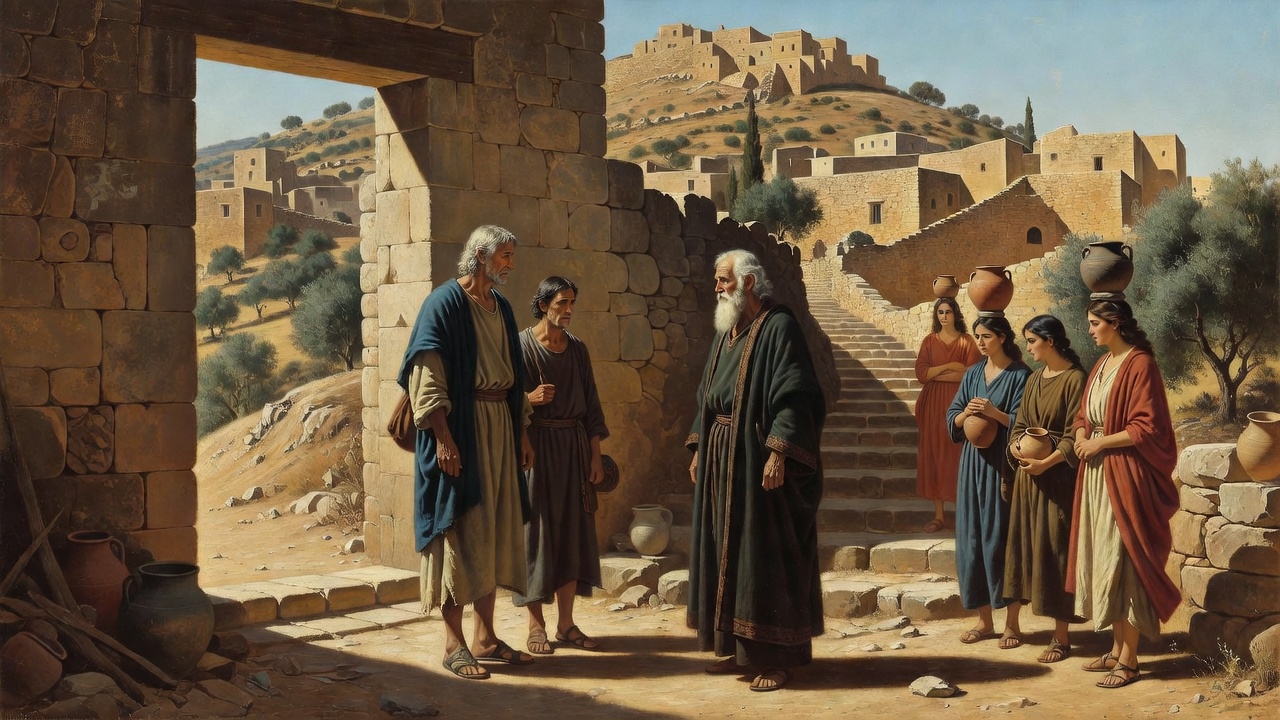
12— Wikuwe a'e, i'i kuzàwaza wanupe wà. — Peme'e kury. Pe pe wata oho iko a'e, penenataromo a'e. Peata na'arewahy kury. Ta'e wixe putar oho iko tawhu pupe tàrityka'i kury 'y. Ta'e teko omono putar amo ma'e Tupàn pe kutàri a'e wà kury 'y, ma'ea'yr hapy haw rehe ywytyr rehe har rehe a'e wà kury 'y, i'i wanupe wà. 13Tawhu pupe peixe re peàwàxi putar a'e awa ywytyr rehe izeupir 'ym mehe we nehe. Umai'u putar a'e pe nehe. Teko nuzypyrog kwaw umai'u pà ihem 'ym mehe we wà. Ta'e a'e ae omono putar Tupàn ize'egatu a'e temi'u rehe a'e nehe 'y. Xo a'e re zo teko henoz pyrer upuner umai'u haw rehe wà. Pezeupir a'e pe kury. Tàrityka'i peàwàxi putar nehe, i'i wanupe wà.
14A'e rupi oho tawhu pe wà kury. Wixe mehe we wexak Xamuew wà. Xamuew uhem wà wanuwake Tupàn imuwete katu haw kutyr wata mehe kury.
15A'e 'ym mehe karumehe Xau ihem 'ym mehe we Tupàn Tuweharupi Wiko Ma'e uze'eg Xamuew pe.
16— Pyhewe nezewe 'or mehe amur kar putar amo awa Mezàmi zuapyr newe ihe nehe. Erezakook putar uri kawer iàkàg rehe nehe, heremiaihu Izaew wanuwihawete romo imuigo kar pà nehe. A'e awa upyro putar Izaew Piri ywy rehe har wanuwi a'e wà nehe. Piri ywy rehe har upuraraw kar ma'erahy waiko heremiaihu Izaew wanupe wà. Aexak ipuraraw kar mehe ihe wà. — Urepytywà pe nehe, i'i Izaew ihewe wà. Aenu a'e ma'e henoz mehe ihe wà no.
17Na'e Xamuew wexak Xau tur mehe kury. A'e 'ar mehe we Tupàn uze'eg Xamuew pe, — Aw awa rehe aze'eg newe ihe. Weruze'eg putar heremiaihu Izaew a'e wà nehe, i'i izupe.
18Uwàxi Xau Xamuew oho kury, tawhu ukenaw huwake kury. Upuranu hehe. — Ma'e pe hekon awa ma'e kwaw pyr 'ym ikwaw par, i'i Xau izupe.
19Uwazar Xamuew ize'eg izupe. — Ihe aiko a'e ma'e kwaw par romo ihe. Eho herenataromo Tupàn imuwete haw pe kury. Ne nehe, nerehe we har nehe no, pemai'u putar heràpuz me kutàri pyhaw nehe. Pyhewe izi'itahy awazar putar pepuranu haw peme ihe nehe. A'e re pepuner peho haw rehe nehe. 20Ezemumikahy zo nereimaw zumen wanehe nehe. Eremumaw na'iruz 'ar wanekar pà. Amo wexak wà. Teko Izaew izuapyapyr a'e wà, neputar uwihaw romo a'e wà. Uputar neru iànàm a'e wà no, i'i Xamuew Xau pe.
21Uze'eg Xau izupe kury. — Mezàmi zuapyr romo aiko ihe. Mezàmi izuapyapyr a'e wà, naheta tete kwaw a'e wà. Pixika'i wera'u amogwer Izaew ta'yr wazuapyapyr wanuwi upaw rupi wà. Màràzàwe tuwe ereze'eg iko nezewe ihewe, i'i izupe.
22Na'e Xamuew weraha Xau mynykaw pe kury, weraha hehe we har a'e pe no. — Eapyk pe pe ywyrapew ahykaw rehe tuwihaw renaw rehe nehe, i'i izupe. Amo teminozgwer wapyk ywyrapew izywyr wà. Heta 30 ru'u wà. 23Na'e uze'eg Xamuew temi'u iapo arer pe kury. — Amono amo ma'ero'o kwer pehegwer newe. — Emonokatu nehe, a'e newe. Erur xe kury, i'i izupe.
24A'e rupi temi'u iapo arer upyhyk ma'ero'o kwer henugupy rehe har ikatu wera'u ma'e kury, Xau henataromo imono pà kury. Uze'eg Xamuew kury. — Exak ty. Ai'aw ma'ero'o kwer pehegwer newe imonokatu pyrer ty. E'u kury. Ta'e oromonokatu newe ure xe. Aenoz teko xe wamur kar pà ihe wà, wamumai'u kar pà herehe we ihe wà, i'i izupe. A'e rupi, a'e 'ar mehe, Xau umai'u Xamuew pyr a'e. 25Umai'u re wezyw Tupàn imuwete katu haw wi wà kury, tawhu pe oho pà wà kury. Umuàgà'ym amo ker haw Xau pe wà, tàpuz 'aromo har imuàtà pyrer pe wà. 26Uker a'e pe. Izi'itahy oho Xamuew a'e pe Xau henoz tà. Uze'eg nezewe izupe. — Epu'àm kury. Neho haw 'ar uhem kwez kury. Aha putar nerupi pepa'i ihe nehe kury, i'i izupe. Upu'àm Xau kury. Uhem tàpuz wi Xamuew rupi tawhu myter romo oho pà wà.
Xamuew uzakook ma'e kawer Xau iàkàg rehe
27Tawhu wi teko wahemaw pe uhem mehe uze'eg Xamuew Xau pe kury. — Emuata kar nerehe we har nerenataromo nehe. Epyta xe. Ta'e amume'u putar amo Tupàn ze'eg newe ihe nehe kury xe.
¿Sabías que…?
La búsqueda de Saúl y el encuentro con Samuel
- El recorrido de Saúl en busca de las asnas perdidas de su padre lo llevó por la región montañosa de Efraín, la tierra de Salisa, la región de Saalim y finalmente al distrito de Zuf, donde se encontraba Ramá, la ciudad natal de Samuel.Fuentes: el propio texto bíblico · Saul · Zuph
- El relato aclara que el término 'profeta' reemplazó al más antiguo 'vidente' con el paso del tiempo. Consultar a un hombre de Dios solía incluir la entrega de un modesto presente de cortesía, como el cuarto de siclo de plata que ofreció el siervo de Saúl.Fuentes: el propio texto bíblico
- En los banquetes sacrificiales locales celebrados en los lugares altos, era costumbre que el sacerdote o profeta bendijera la comida antes de que los invitados comieran. Samuel honró a Saúl sentándolo en el lugar de honor entre unos treinta invitados y sirviéndole una porción selecta reservada.Fuentes: el propio texto bíblico
Notas escritas con ayuda de IA a partir de fuentes abiertas (Theographic Bible Metadata, CC BY-SA 4.0; Easton’s Bible Dictionary, dominio público) y revisadas antes de publicarse.
Créditos y licencia de esta traducción
Tupàn ze'eg
Bible without Deuterocanon in Guajajára (BR:gub:Guajajára)
copyright © 2007 Wycliffe Bible Translators, Inc.
Language: Guajajára
Translation by: Wycliffe Bible Translators, Inc.
Guajajára [gub], Brazil
Copyright Information
© 2007, Wycliffe Bible Translators, Inc. All rights reserved.
This translation text is made available to you under the
terms of the Creative Commons License: Attribution-Noncommercial-No Derivative Works.
( http://creativecommons.org/licenses/by-nc-nd/3.0/ )
In addition, you have permission to port the text to different file formats, as long as you
do not change any of the text or punctuation of the Bible.
You may share, copy, distribute, transmit, and extract portions
or quotations from this work, provided that you include the above copyright
information:
You must give Attribution to the work.
You do not sell this work for a profit.
You do not make any derivative works that change any of the actual words or punctuation of the Scriptures.
Permissions beyond the scope of this license may be
available if you contact
us with your request.
Printed book ISBN 9788531109713
The Bible without Deuterocanon
in Guajajára
© 2007, Wycliffe Bible Translators, Inc. All rights reserved.
This translation is made available to you under the terms of the
Creative Commons Attribution-Noncommercial-No Derivatives license 4.0.
You may share and redistribute this Bible translation or extracts from it in any format, provided that:
You include the above copyright and source information.
You do not sell this work for a profit.
You do not change any of the words or punctuation of the Scriptures.
Pictures included with Scriptures and other documents on this site are licensed just for use with those Scriptures and documents.
For other uses, please contact the respective copyright owners.
2020-03-30
Fuente: http://ebible.org/gubBl/ · eBible.org