Eclesiastés 7
Geeshsha Mexaafa · Toca un versículo para ver sus referencias cruzadas.
De7o Gishshas Qofa
1Lo7o shittofe
lo7o sunththi aadhdhees;
yeleta gallassafe
hayqo gallassi lo7o.
2Gibira keeth buussafe
yeeho keeth buussi lo7o;
gaasoykka hayqoy
as ubbaas wurseththa;
shemppora paxa diza
asi ubbay
hessa ba wozinan
woththanaas bessees.
3Miichchafe kayoy kiya;
gaasoykka kayoy
sinth kareththikokka
wozina poo7isees.
4Aadho eranchcha wozinay
kayo keeththan dees;
eeyata wozinay gidikko
ufayssa keeththan dees.
5Eeyati sabbishe yexxiza
yeth siyanaappe
aadho eranchchay seeriza
seera ezgoy lo7o.
6Eeyata miichchi
oto garsan eexxishe
dhuuqettiza agunththa mala;
hessika hada.
7Gene oosoy aadho eranchcha
eeya kessees;
maganxoy asas wozina moorees.
8Issi miishshas doomeththafe
wurseththi kiya;
qasse otoranchchafe
dandayanchchay kiya.
9Eeyata hanqoy
istta ki7o garsan diza gishshas
neni hanqos eesotoppa.
10Neni, «Ha wodey
kase aadhdhida wodetappe
ays lo7idee?» ga oychchofa;
heytantta mala oyshata oyshoy
aadho erateth gidenna.
11Aadho erateththi lo7o xinxxo mala;
iza go7ay
poo7o be7iza as ubbaassa.
12Miishshi as iitappe
kammi ashshiza mala
aadho erateththi ashshees.
Hessafe bollarakka
aadho erateththi
keeththa aawa shemppo naagees.
13Ane Xoossay ooththidayssa
wozinan woththa!
Izi bokkasidayssa
ooni luulisana dandayzee?
14Nees wodey lo7ishin ufayetta;
gido attiin wodey iitishin
hayssa wozinan woththa;
Xoossi issaa ooththida mala
harakka ooththides;
hessa gishshas asi
sinththafe hanana miish
aykkoka pilggidi
erana dandayenna.
15Nagaranchchay ba nagaraara
adussa layth de7ishin,
xilloy ba xilloteththara
eeson hayqqishin
hada gidida ta de7o layththatan
hayta be7adis.
16Hessa gishshas ne dhayontta mala
keeha xillo,
woykko keeha
aadho eranchcha gidoppa.
17Qasse keeha iita as,
woykko ubbaa eeya as gidoppa;
ne ays wodey baynda hayqqay?
18Issaa oykkidi hankkoyssaka
yeddontta agoy lo7o;
Xoossas yayyiza asi
shikkalateth ixxees.
19Aadho erateththi aadho eranchchas
immiza wolqqay
issi kataman dere haariza
tammatappe aadhdhees.
20Nagara ooththontta
mulera suure oosoninne
xilloteththan xalla kanththiza asi
biitta bolla deenna.
21Haasayettiza qaala ubbaa hayth
yegga siyoppa;
ne histtontta aggiko
ne ashkaray nena qanggishin
ne siyandasa.
22Qasse nenikka ne hu7en
harata qanggoyssa
ne wozinay erees.
23Hayssa ubbaa tani
aadho erateththan
pilgga xeellada,
«Tanikka aadho eranchcha
gidanaas qachchadis» gadis.
Gido attiin tani
gida mala hanibeenna.
24Aadho erateththi ay gidikkoka
keehi ciimmanne haako;
histtiin ooni gakki
erana dandayzee?
25Hessa gishshas aadho erateththinne
yo7oti hanizayssa pilgga eranaas,
xanna7anaas nagara
iitateththinne
eeyateththi gooshshateth
gididayssa
akeekanaas ta wozinan
yuushsha qoppadis.
26Izis wozinay woximade mala,
izi kusheti agrimooqe malanne
yarde mala gidida
hayqoppe iita
maccas be7adis;
izippe kessi ekkanay
Xoossas yayyiza as xalla;
nagaranchcha as gidikko
yarden oykkawus.
27Aadho eranchchazi,
«Tani kaalla pilgga
xeellada demmida
hara miishshi
hayssafe kaallizayssa.
Yo7oti hanizayssa
hiillateththan pilggidi
demmanaas
issaa issaa bolla gujjo;
28Hessika tani hach gakkanaas
pilggashe dhaydayssa
shii attumasappe
issi suure as demmadis.
Gido attiin haytantta giddofe
issi suure maccas demmabeekke.
29Tani hayssa ubbaafe
issi miish tamaaradis;
Xoossi as suure
histti medhdhides;
gido attiin asi
daro gitettidaaz giigsides» gides.
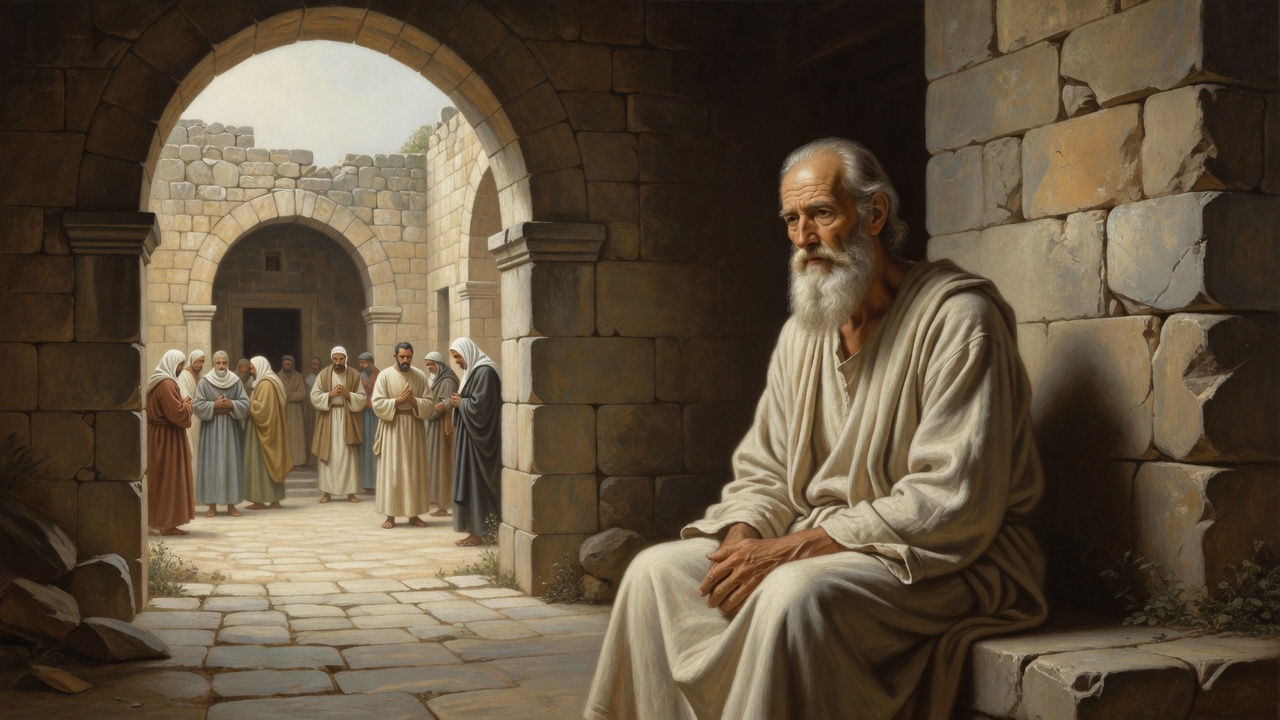
¿Sabías que…?
Sabiduría, mortalidad y los límites del entendimiento
- Eclesiastés 7 comienza con una serie de proverbios comparativos que sostienen que los momentos de reflexión sobria, como acudir a una casa de duelo o afrontar la tristeza, brindan una comprensión más profunda de la vida que la risa superficial y las fiestas.Fuentes: el propio texto bíblico
- El Maestro reflexiona sobre la realidad de la experiencia humana, señalando que Dios dispuso tanto los días prósperos como los adversos para que nadie pueda prever su futuro, y que a veces el justo perece mientras que el malvado prolonga sus días.Fuentes: el propio texto bíblico
- El capítulo resalta el límite universal de la bondad humana al observar que no hay nadie en la tierra que haga el bien y nunca peque, y concluye que, aunque Dios hizo íntegro al ser humano, las personas han buscado muchas maquinaciones.Fuentes: el propio texto bíblico
Notas escritas con ayuda de IA a partir de fuentes abiertas (Theographic Bible Metadata, CC BY-SA 4.0; Easton’s Bible Dictionary, dominio público) y revisadas antes de publicarse.
Créditos y licencia de esta traducción
Geeshsha Mexaafa
The Holy Bible in the Gamo language of Ethiopia, Latin script
copyright © 2024 The Word for the World International
Language: Gamotso (Gamo)
Contributor: The Word for the World International
This translation is made available to you under the terms of the
Creative Commons Attribution Share-Alike license 4.0.
You have permission to share and redistribute this Bible translation in any format and to make reasonable revisions and adaptations of this translation, provided that:
You include the above copyright and source information.
If you make any changes to the text, you must indicate that you did so in a way that makes it clear that the original licensor is not necessarily endorsing your changes.
If you redistribute this text, you must distribute your contributions under the same license as the original.
Pictures included with Scriptures and other documents on this site are licensed just for use with those Scriptures and documents.
For other uses, please contact the respective copyright owners.
Note that in addition to the rules above, revising and adapting God's Word involves a great responsibility to be true to God's Word. See Revelation 22:18-19.
2025-05-03
Fuente: http://ebible.org/gmvl/ · eBible.org