Juan 17
Gamo Geesha Maxxafa New Testament · Toca un versículo para ver sus referencias cruzadas.
Yesussa wossa
1Yesussay hessa gidape guye pudee salo dhoqqu gi xeelid hizzgi wossides “aaboo hekoo hai saatey gakkides, ne nay nena bonchana mala neni ne naza boncha. 2Ne bonchanayka ne izas immidaytas izi medhina deyoo immana mala ne izas asa wuriso bolla godateth immida gishshasa. 3Medhdhina deyooyka ne xalala tumu xoossu ne kiittda Yesuss Kiristtoosa erro guusa. 4Ne tas immida ooso tani wursada ha biita bolla nena bonchadis. 5Ta aawa! allamey medhdhistanape kase tas nenara diza bonchon haika tana ne achchan bonchariki 6Haysa dere asape ne tas deeran immida asatas ne oonnakone ta isttas nena qonccsadis, istt kaseka neyta shin ne tas immadasa, isttika ne qaala nagida. 7Ne tas immidaysi wurikka nepe gididaysa hai istti errida. 8Ne tas immida qaalataka isttas immadis, isttika ekkida, ta ne achchafe yidaysa tumape errida, ne tana kittdaysaka istt ammanida. 9“Ta isttas wossays heytii ne tas immidayt istt neyta gidida gish ta isttas wossays, gidoshin hinkoo dere asas wossike. 10Tas gididay wurikka neysa neysika wurikka taysa, taka isttan bonchetana. 11Hayssafe guye Tani hayssa biita bolla diike, istt gidiko ha biita bolla deetes, hai ta nekoo bays, ta geshshazo! hayta ne tas immidayta istti nu mala ba garssan issino gidana mala ne tas immida ne sunththan istta naga. 12Ta isttara isipe dashshe ne tas immida ne sunththan ta istta naggadis, ta naggadis, hessa gish kase xaafetda geshsha maxafa qaalay polistana mala izi kaseka dhayos diza nazape attin isttafe oonnika dhaybeyna. 13Ta qasse hai neko bays, ta ha biita bolla dashshe hayssa yootizay ta uhaaththaaysi isttan polistana mala gada yootays. 14Tani ne qaala isttas immadis, tani ha biita asa ginddoonttaysa mala isttika ha biita asi gidetena, hessa gish ha biita asay istta ixxides. 15Ne istta iittape nagana mala ta nena wossays attin ne istta ha biitafe denththa efana mala nena wossike. 16Tani biita asi gidonttaysa mala isttika ha biita asii gidetena. 17Ne istta ne tuman nes shaaka, ne qaalayka tumu qaala. 18Ne tana ha biita kittoysaththo taka istta biita bolla kittadis. 19Istt tumape nes duma ass gidida mala tanika tana istta gish dummasays. 20Istta qaala marikatetha tana ammananayta gishshara ta nena wossays attin ta nena istta gish xalala wossike. 21Ta wossizay istti wurikka issino gidana malasiko, ta aawawu qasseka ne tanan diza mala nunan gidana malane ne tana kittidaysa ha derey ne ammanana mala wossays. 22Nunii nu garssan issno gidida mala isttika ba garssan issino gidana mala ne tas ida boncho taka isttas immadis. 23Ta wossizay sttan, neka tanan gidida mala isttika kumethth issino gidana malako, qasseka neni tana kittda mlane tana ne siqqida mala isttaka ne siqqidaysa dere asay erranasiko. 24“ta aawawu! ne tana haysi biitayne saloy medhdhistanape kase dossida gish ne tas immidaa ta bonchoza istti beeyana mala hayta ne tas immidaytka ta dizasoon anara dana mala dossays. 25Xiillo gidida ta aawawu! nena derey erribeyna, ta gidiko nena errays, haytka ne ana kittdaysa errida. 26Ne tana siqqida siqqooy isttan gidana malane taka isttan gidana mala isttine nena errana mala ooththadis, qasseka istti errana malaka oohthana.”
¿Sabías que…?
Juan 17: ha llegado la hora
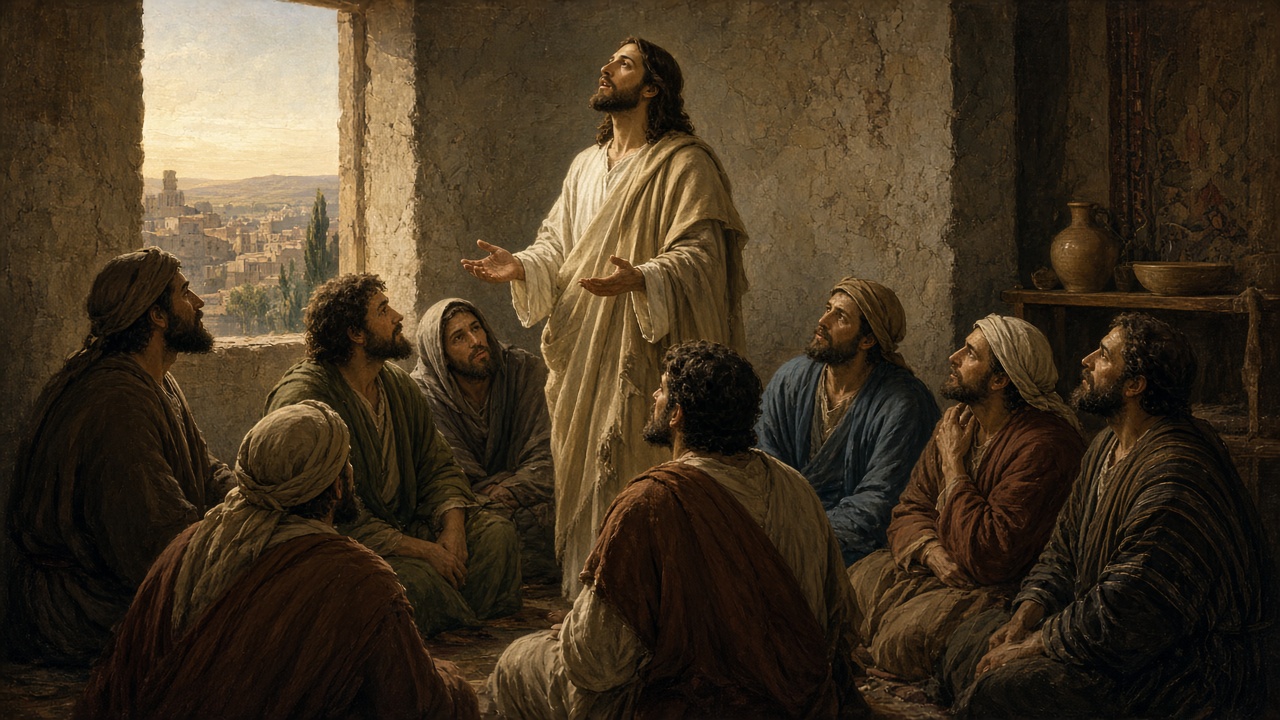
- La oración comienza cuando Jesús, después de haber dicho estas cosas, alza los ojos al cielo y dice que ha llegado la hora. Se asocia con el Discurso del Aposento Alto, indicado como un día, y con la Semana Santa, indicada como ocho días.Fuentes: el propio texto bíblico · Upper Room Discourse · Holy Week
- Aquí la vida eterna es conocer al único Dios verdadero y a Jesucristo, a quien el Padre envió. Jesús también habla de la gloria que tenía con el Padre antes de que existiera el mundo y del amor del Padre por él antes de la fundación del mundo.Fuentes: el propio texto bíblico
- Ora por quienes el Padre le dio del mundo, los que han guardado la palabra, y también por quienes creerán por medio del mensaje de ellos, pidiendo que sean uno. No pide que sean sacados del mundo, sino que sean guardados del maligno y santificados por la verdad, que identifica como la palabra del Padre.Fuentes: el propio texto bíblico
Notas escritas con ayuda de IA a partir de fuentes abiertas (Theographic Bible Metadata, CC BY-SA 4.0; Easton’s Bible Dictionary, dominio público) y revisadas antes de publicarse.
Créditos y licencia de esta traducción
Gamo Geesha Maxxafa New Testament
The New Testament in the Gamo language of Ethiopia: Gamo Geesha Maxxafa New Testament
copyright © 2017 The Word for the World International
Language: Gamotso
Contributor: The Word for the World Ethiopia
Gamo Geesha Maxxafa New Testament
The Word for the World International
This translation is made available to you under the terms of the
Creative Commons Attribution license 4.0.
You may share and redistribute this Bible translation or extracts from it in any format, provided that:
You include the above copyright and source information.
If you make any changes to the text, you must indicate that you did so in a way that makes it clear that the original licensor is not necessarily endorsing your changes.
Pictures included with Scriptures and other documents on this site are licensed just for use with those Scriptures and documents.
For other uses, please contact the respective copyright owners.
Note that in addition to the rules above, revising and adapting God's Word involves a great responsibility to be true to God's Word. See Revelation 22:18-19.
2023-04-08
Fuente: http://ebible.org/gmvggm/ · eBible.org