Salmos 32
Kitaaba Woyyuu · Toca un versículo para ver sus referencias cruzadas.
Cubbuu faaci'atiisaa Fi Araara
Wolaloo Daawitii.
1Nami cubbuu isaatiif araarri kennameef,
ka yakkaan isaa lakkifanteef ka gammade.
2Nami Mootiin Waan Maraa cubbuu itti hin laakkonne,
ka soba ifi keessaa hin qanne ka gammade.
3Ani yennaa cubbuu tiyya faaci'atuu dhabe,
guyyaa guutuu aada.
4Ati halkanii fi guyyaa na adadde;
akka waan o'i bonaa gossee,
hunni tiyya na keessaa godde.
5Achiin duuba ani cubbuu tiyya sitti dhugaa baase;
yakkaa tiyyalle hin dhoffanne.
Ani «Cubbuu tiyya Mootii Waan Maraatitti dhugaa baasa» jedhe;
atille cubbuu tiyya naaf araarante.
6Tanaaf, nami addatamaan marti
gara keeti daadimatuu ti.
Rakkinni akka lolaa jaba'aa yennaa dhufe,
isa hin dhaqqabu.
7Ati addee ani itti dhokadhu;
ati rakkinna irraa na eedda.
Ati ililleettii worra bayiisa kiyyatti firinxiixuun na marsite.
8Mootiin Waan Maraa,
«Ani karaa ati deemu'uu malte
si hubachiisee si barsiisa;
si gorsa; si toowadha.
9Ati akka fardaa fi gaange'ee,
ka wo hin beennee hin te'in!
Bixaalaa fi lugaamaan ifitti yoo harkitte malee,
isaan sitti hin dhikaatanu» jedhe.
10Farri worra cubbaaleyyi'ii heddu'u;
nama Mootii Waan Maraatitti addatu ammoo
jaalalli isaa ka bara baraa isa hin marsa.
11Isin balchooleen
Mootii Waan Maraatiin gammada'aa ilillisa'a!
Isin worri gadhaa qajeela'aa ilillisa'a.
¿Sabías que…?
El Gozo del Perdón y la Guía
- El salmo comienza con un título que lo identifica como un Masquil de David, término tradicionalmente asociado a un poema instructivo o de reflexión, que aborda el contraste entre la angustia del pecado oculto y la bendición del perdón.Fuentes: el propio texto bíblico
- El término hebreo Selah aparece tres veces en este salmo (versículos 4, 5 y 7), interpretado comúnmente como una pausa musical o un momento de meditación durante la recitación del texto.Fuentes: el propio texto bíblico
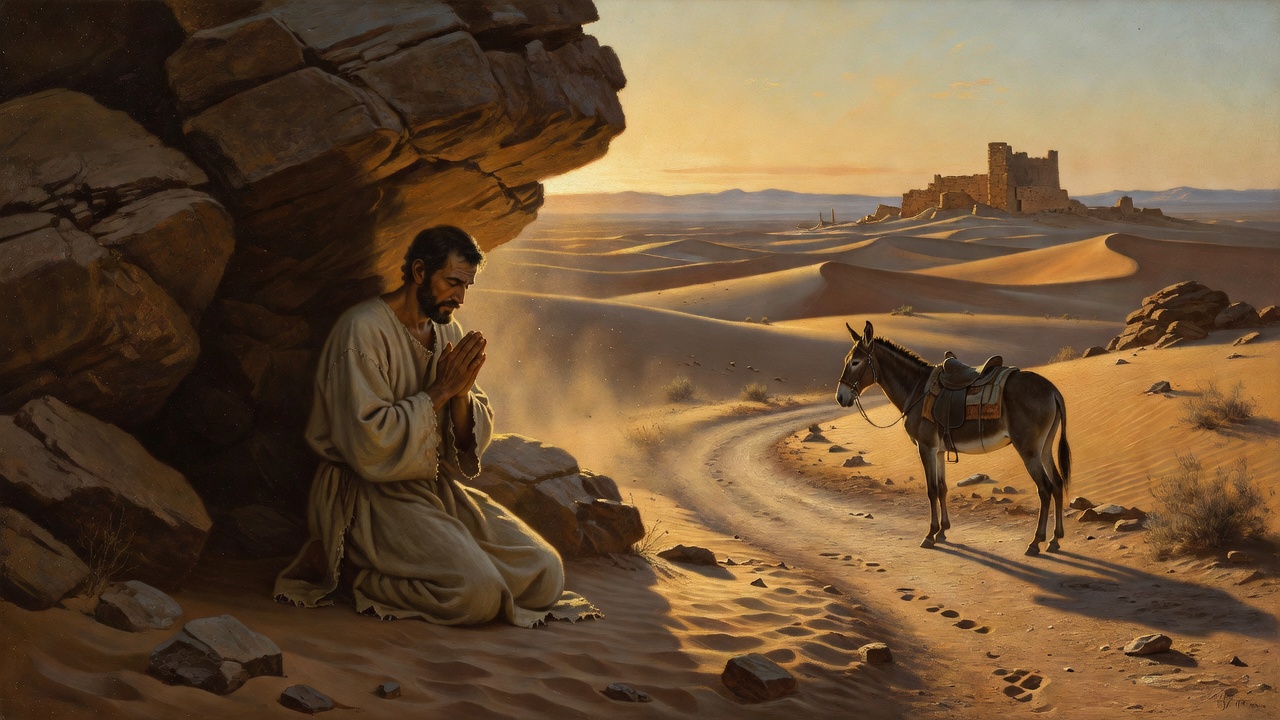
- El salmo recurre a la imagen de animales de trabajo, contrastando a quien sigue voluntariamente el consejo divino con caballos o mulos tercos que necesitan freno y brida para ser dirigidos.Fuentes: el propio texto bíblico
Notas escritas con ayuda de IA a partir de fuentes abiertas (Theographic Bible Metadata, CC BY-SA 4.0; Easton’s Bible Dictionary, dominio público) y revisadas antes de publicarse.
Créditos y licencia de esta traducción
Kitaaba Woyyuu
Oromo, Borana-Arsi-Guji: Kitaaba Woyyuu (Bible)
copyright © 2025 The Word for the World International
Language: gujii
Contributor: Bible Society of Ethiopia
This translation is made available to you under the terms of the
Creative Commons Attribution Share-Alike license 4.0.
You have permission to share and redistribute this Bible translation in any format and to make reasonable revisions and adaptations of this translation, provided that:
You include the above copyright and source information.
If you make any changes to the text, you must indicate that you did so in a way that makes it clear that the original licensor is not necessarily endorsing your changes.
If you redistribute this text, you must distribute your contributions under the same license as the original.
Pictures included with Scriptures and other documents on this site are licensed just for use with those Scriptures and documents.
For other uses, please contact the respective copyright owners.
Note that in addition to the rules above, revising and adapting God's Word involves a great responsibility to be true to God's Word. See Revelation 22:18-19.
2025-05-02
Fuente: http://ebible.org/gax/ · eBible.org