Eclesiastés 5
Kitaaba Woyyuu · Toca un versículo para ver sus referencias cruzadas.
Waaqa Sodaadhu
1Yennaa gara Galma Waaqaa seentu miila keetii eeggadhu; caqasiisaaf qophowanee dhikaatiis, ciincaa gowwoole'ee, ka worra waan hantuu akka huje hin beenne caalti. 2Afaan keetiin hin ariifatin; Waaqa duratti waan tokko dubbatiisaafille gadhaa keeti keessatti hin jarjarin. Waaqi ol-gubbaa jira; ati ammoo lafa irra jirta; maarre dubbiin teeti diqqoo teetuu ti. 3Hujiin yennaa bacattu akkuma oojjuu namatti fiddu, addee dubbiin bacattutti dubbii gowwa'aatitti jira. 4Waaqaaf yennaa waadaa galtu, muummessiisaaf hin turin. Inni worra gowwa'atti hin gammadu; waadaa keeti muummessi. 5Waadaa galtee muummessiisa dhabuu irra, waadaa galiisa dhabuu woyya. 6Afaan keeti gara cubbu'uu si hin geessin. Ergamaa Galma Waaqaatiin, «Waadaan ani gale dokonkora» hin jedhin. Maaniif Waaqi dubbii teetitti aaree hujii harka keetii balleessa ree? 7Oojjuun baca'aa fi dubbiin bacaan bu'aa hin qaddu. Tanaaf, Waaqa sodaadhu.
Durummaan Bu'aa Hin Qaddu
8Biyya tokko keessatti hiyyeessi cunqurfamee, muraan haqaatii fi mirgi isaa dhooggameen yoo dhaggite, waan akkasii san hin baaseffatin; qondaalli tokko qondaala isa ajaju tokkoon ilaallama; isaan lachuu irralle'etti ol aanaa dhibi'ittuu jira.
9Wonni latti baachu ta nama maraa ti; mootichinuu fichaa irraa fayyadama.
10Nami beesee jaalatu ijjumaa beesee hin quufu; nami durummaa jaalatulle ijjumaa bu'aa hin quufu; tunille bu'aa hin qaddu. 11Karri yennaa bacattu, worri nyaatulle hin bacatan. Ka horate ila ifiitiin ilaaliisa malee, maan bu'aa isaaf qaba? 12Hojjataan diqqoo yookiin guddoo nyaatulle hirriiba dansaa rafa; bacinni karra dureessaa ammoo hirriiba isa dhooggiti.
13Wonni hantuun ani biyya lafaa irratti dhagge takka, karra abbaa horate miidhiisaaf tuulantu, 14yookiin karra dedhuma baddu; inni yennaa ilma uumatu, harka ifii duwwaa hafa. 15Nami qullaa ifii gadaamessa haadha ifii keessaa dhalata; akkuma dhalate san deebi'ee hin deema; waan itti elowe keessaa tokkolle harkatti qabatee hin deemu. 16Tunille waan hantuu akka malee nama gaddisiittu; nami akkuma dhalate san deebi'ee hin deema; wonni itti elowe sun akka waan qilleensi fudhatee eega teete, inni bu'aa maan dhaggata ree? 17Inni bara jiruu ifii mara gadda gudda'aan, dhibe'ee fi aari'iin dukkana keessa le'a.
18Tun hiree isaa waan teeteef, nami bara jiruu ifii diqqoo Waaqi biyya lafaa irratti isaaf kenne tana keessatti nyaataa, unaa, waan itti elowe maratti gammadiis waan dansa'aa fi waan isaaf maltee akka teete hubadhe. 19Waaqi karraa fi qabeenna namaaf kennee, akka nami hiree ifii fudhatee, waan itti elowetti gammadu, tun kennansa Waaqaa ti. 20Waaqi gammada gadha'aa namaaf waan kennuuf, nami marroo bara jiruu ifiitiif hin yaaddowu.
¿Sabías que…?
Reverencia, justicia y los límites de la riqueza
- El autor advierte contra las palabras apresuradas en el culto, recordando a los adoradores que Dios está en el cielo mientras los mortales están en la tierra. Los votos hechos a Dios se consideraban compromisos serios; el texto advierte que demorar o incumplir un voto es una necedad, por lo que es preferible no hacer votos que prometer y no cumplir.Fuentes: el propio texto bíblico
- Al abordar la injusticia y la opresión de los pobres en una provincia, el autor señala la burocracia gubernamental estratificada, donde cada funcionario es supervisado por una autoridad superior. A pesar de esta jerarquía administrativa, todos los niveles, incluido el rey, dependen en última instancia de los frutos del campo.Fuentes: el propio texto bíblico
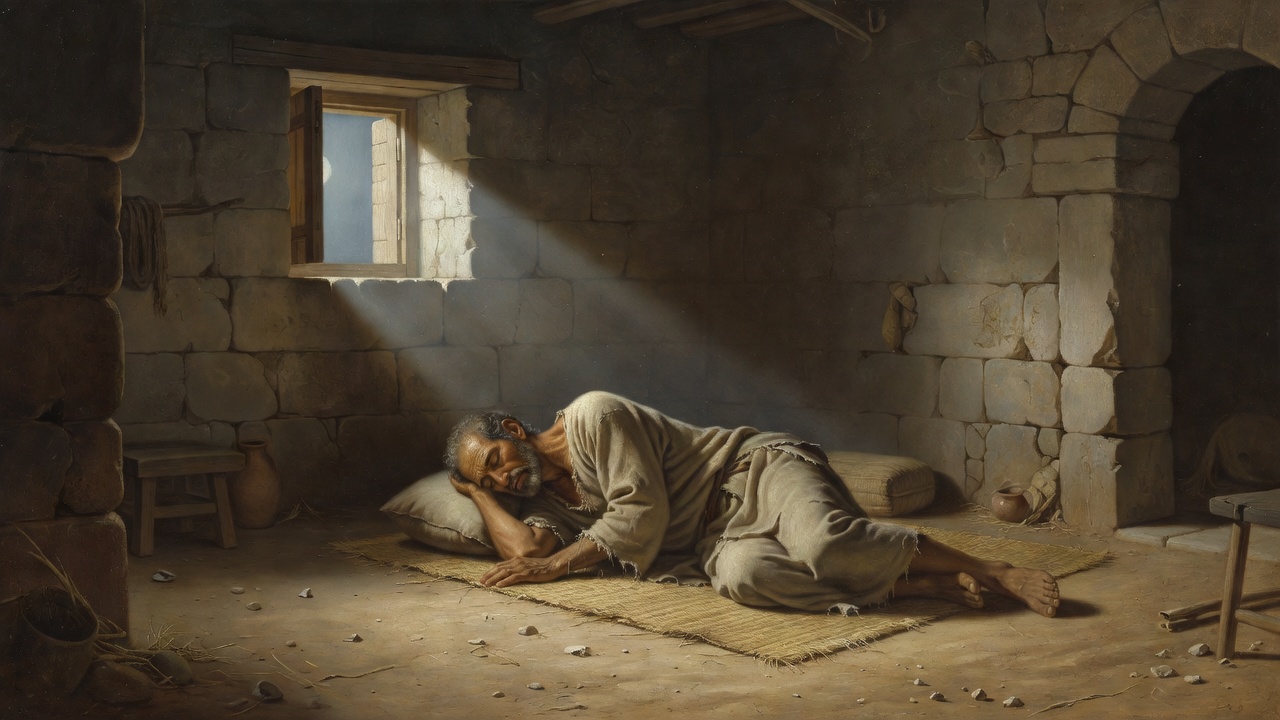
- El capítulo contrasta el insomnio inquieto de los ricos con el sueño dulce del trabajador común, señalando que el afán por las riquezas no produce una satisfacción duradera. El verdadero contento surge cuando la persona acepta su porción y disfruta de la comida, la bebida y el trabajo honesto como dones de Dios.Fuentes: el propio texto bíblico
Notas escritas con ayuda de IA a partir de fuentes abiertas (Theographic Bible Metadata, CC BY-SA 4.0; Easton’s Bible Dictionary, dominio público) y revisadas antes de publicarse.
Créditos y licencia de esta traducción
Kitaaba Woyyuu
Oromo, Borana-Arsi-Guji: Kitaaba Woyyuu (Bible)
copyright © 2025 The Word for the World International
Language: gujii
Contributor: Bible Society of Ethiopia
This translation is made available to you under the terms of the
Creative Commons Attribution Share-Alike license 4.0.
You have permission to share and redistribute this Bible translation in any format and to make reasonable revisions and adaptations of this translation, provided that:
You include the above copyright and source information.
If you make any changes to the text, you must indicate that you did so in a way that makes it clear that the original licensor is not necessarily endorsing your changes.
If you redistribute this text, you must distribute your contributions under the same license as the original.
Pictures included with Scriptures and other documents on this site are licensed just for use with those Scriptures and documents.
For other uses, please contact the respective copyright owners.
Note that in addition to the rules above, revising and adapting God's Word involves a great responsibility to be true to God's Word. See Revelation 22:18-19.
2025-05-02
Fuente: http://ebible.org/gax/ · eBible.org