Romanos 5
Fulfulfe Burkina, Dewtere Laamɗo Amaana Keso · Toca un versículo para ver sus referencias cruzadas.
Haala jam hakkunde meeɗen e Laamɗo
1Ko keɓuɗen ndaardeede fonnditiiɓe saabe goonɗinal ɗuum, waɗii jam hakkunde meeɗen e Laamɗo saabe Joomiraaɗo men Iisaa Almasiihu. 2Kam udditani en dammbugal hinney Laamɗo mo ngonɗen joonin saabe goonɗinal meeɗen. Ley majjum eɗen ceyoroo jikke wondude e darja Laamɗo. 3Wanaa ɗum tan, eɗen ceyoroo torraaji meeɗen du sabo eɗen anndi torraaji ndimata munyal, 4munyal du rima ne'aaku, ne'aaku du rima jikke. 5Jikke oon du waasataake, sabo Ruuhu Ceniiɗo mo kokkaɗen oon hebbinii en njinngu Laamɗo.
6Sabo ley wakkati mo Laamɗo suɓii oon, nde tawanoo en ngalaano semmbe ndeen, Almasiihu maayani en, enen luttuɓe Laamɗo. 7Ina tiiɗi ko goɗɗo jaɓa maayande neɗɗo fay si wo ponnditiiɗo. Ina hasii goɗɗo suusa maayande lobbo. 8Ammaa Laamɗo hollii no yiɗiri en ko Almasiihu maayanii en gilla en luttuɓe. 9Joonin ko ndaardaɗen en fonnditiiɓe saabe ƴiiƴam makko ɗuum, tannyoral en ndaɗan tikkere Laamɗo du saabe makko. 10Sabo nde laatinoɗen wayɓe Laamɗo ndeen, Laamɗo rewrintinii en e muuɗum saabe maayde Ɓiyum. Ko ndewrintinaɗen e makko joonin ɗuum, sikke fuu walaa en kisinte saabe nguurndam Ɓiyiiko oon du. 11De wanaa ɗuum tan, ammaa eɗen ceyoroo Laamɗo saabe Joomiraaɗo men Iisaa Almasiihu, dewrintinɗo en e Laamɗo oon.
No Aadama nannditirta e Almasiihu
12Joonin le, wo saabe neɗɗo gooto de hakke naati e adunaaru, wooɗi hakkeeji ɗiin du ngaddi maayde. Noon maayde ndeen yottorii yimɓe fuu, sabo ɓe fuu ɓe luttii. 13Si goonga, gilla Tawreeta Muusaa oon jippinaaka, hakkeeji ina ngoodi e adunaaru ndu. De si jamirooje Tawreeta ngalaa, hakkeeji kiisataake. 14Gilla e Aadama faa e Muusaa, walaa fuu mo maayde jaalaaki, fay yimɓe ɓe ngaɗaay hakke iri mo Aadama waɗi nde luttunoo yamiroore Laamɗo. Aadama oon wo alhaali garoowo oon.
15Ammaa en kaanaa fonndude luttal Aadama e dokkal Laamɗo. Goonga, yimɓe heewɓe maayii saabe luttal neɗɗo gooto. Ammaa hinney Laamɗo, kam e dokkal ngal hokki yimɓe heewɓe saabe neɗɗo gooto ina ɓuri ɗum fuu manngu. Neɗɗo oon woni Iisaa Almasiihu. 16Katin du en kaanaa fonndude ko dokkal Laamɗo rimata ɗuum e ko luttal neɗɗo gooto rimata ɗuum. Sabo sariya waɗaama dow luttal gootal ngaal, de ɗum waddi jukkungo. Ammaa moƴƴere Laamɗo mawnde wari caggal lutti keewɗi, de ɗum waddi fonnditaare. 17Wo saabe luttal neɗɗo gooto maayde laamorii yimɓe. Ammaa ɗum waawaa fonndeede e laamagol heɓooɓe moƴƴere Laamɗo heewnde e dokkal fonnditaare ɓeen. Ɓeen laamortoo e nguurndam saabe neɗɗo gooto. Oon woni Iisaa Almasiihu.
18Ndelle, no luttal neɗɗo gooto waddirani yimɓe fuu jukkungo ni, hono noon du gollal ponnditiingal ngal neɗɗo gooto golli ina laatanoo yimɓe fuu fonnditaare e nguurndam. 19No salaare neɗɗo gooto waɗiri yimɓe heewɓe luttuɓe ni, hono noon ɗowtaare neɗɗo gooto du waɗiroyta heewɓe ndaardee fonnditiiɓe.
20Tawreeta naatii faa lutti ɓeyda annditeede. Ammaa fay ko lutti keewi ɗuum fu, hinney Laamɗo ɓuri heewude. 21Hono no luttal laamorii de waddi maayde ni, hono noon hinney Laamɗo oon du laamortoo saabe fonnditaare, faa yaara en to nguurndam nduumiiɗam saabe Iisaa Almasiihu Joomiraaɗo meeɗen.
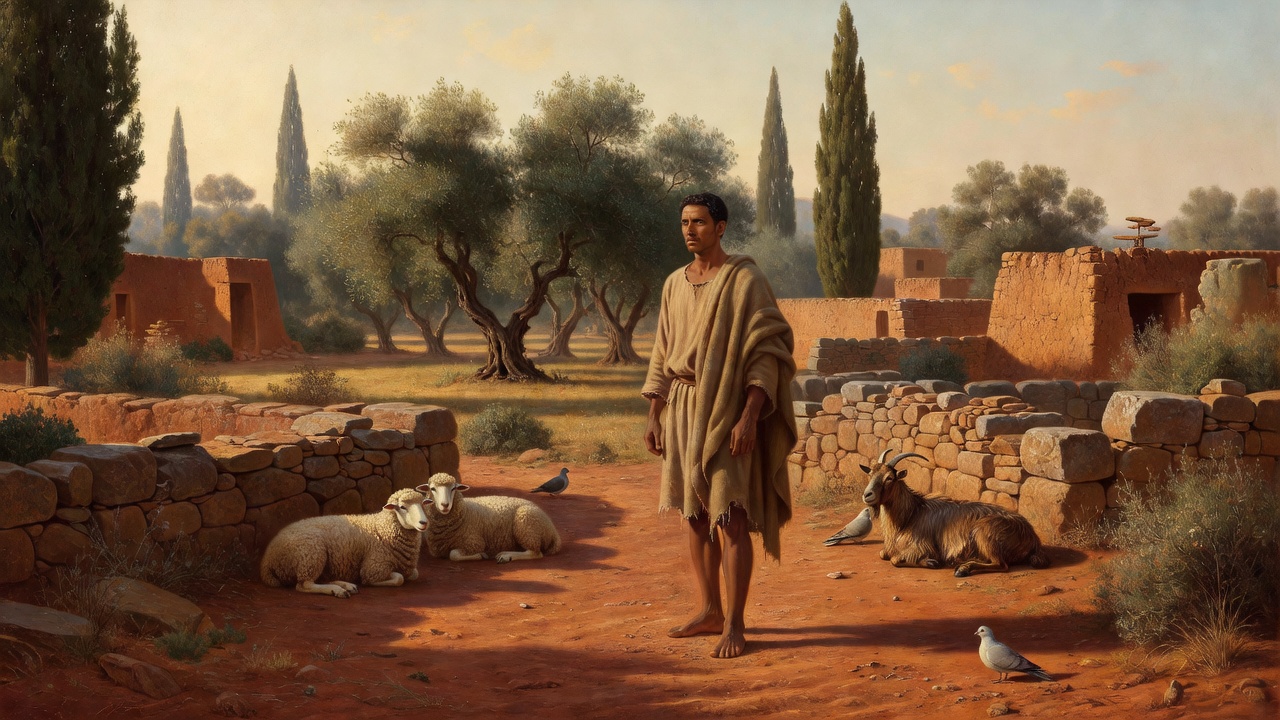
¿Sabías que…?
Adán, Cristo y el reinado de la gracia
- El hombre por medio del cual Romanos 5 dice que el pecado entró en el mundo, y la muerte por medio del pecado, es Adán. Una nota de referencia presenta Adán como una palabra babilónica que significa rojo, el nombre genérico del ser humano en hebreo y en asirio, y vincula ese nombre con el hecho de que fue formado del polvo de la tierra. El relato de su creación y de su caída está en el primer libro de Moisés.Fuentes: Adam · el propio texto bíblico
- Romanos 5 afirma que la muerte reinó desde Adán hasta Moisés, incluso sobre quienes no pecaron de la manera en que Adán transgredió. Dice también que el pecado ya estaba en el mundo antes de que se diera la ley, pero que el pecado no se toma en cuenta cuando no hay ley. Adán es llamado figura de aquel que había de venir.Fuentes: el propio texto bíblico
- El capítulo pone esa única transgresión junto al don que vino por la gracia de Jesucristo. El juicio tras un solo pecado trajo condenación, mientras que el don tras muchas transgresiones trajo justificación. La ley, dice el texto, entró para que la transgresión aumentara; sin embargo, donde el pecado aumentó, la gracia aumentó mucho más.Fuentes: el propio texto bíblico
Notas escritas con ayuda de IA a partir de fuentes abiertas (Theographic Bible Metadata, CC BY-SA 4.0; Easton’s Bible Dictionary, dominio público) y revisadas antes de publicarse.
Créditos y licencia de esta traducción
Fulfulfe Burkina, Dewtere Laamɗo Amaana Keso
Fulfulde Burkina New Testament
copyright © 2012 SIM International
Language: Fulfulde Burkina (Fulfulde, Western Niger)
Dialect: Burkina
Translation by: SIM International
Fulfulfe Burkina, Dewtere Laamɗo Amaana Keso
This translation, published by SIM International, was published in 2012.
If you are interested in obtaining a printed copy, please contact the SIM (Mission Protestante) , BP 1552, Ouagadougou 01, BURKINA FASO.
This translation text is made available to you under the
terms of the Creative Commons License: Attribution-Noncommercial-No Derivative Works.
( http://creativecommons.org/licenses/by-nc-nd/3.0/ )
In addition, you have permission to port the text to different file formats, as long as you
do not change any of the text or punctuation of the Bible.
You may share, copy, distribute, transmit, and extract portions
or quotations from this work, provided that you include the above copyright
information:
You must give Attribution to the work.
You do not sell this work for a profit.
You do not make any derivative works that change any of the actual words or punctuation of the Scriptures.
Permissions beyond the scope of this license may be
available if you contact
us with your request.
This translation is made available to you under the terms of the
Creative Commons Attribution-Noncommercial-No Derivatives license 4.0.
You may share and redistribute this Bible translation or extracts from it in any format, provided that:
You include the above copyright and source information.
You do not sell this work for a profit.
You do not change any of the words or punctuation of the Scriptures.
Pictures included with Scriptures and other documents on this site are licensed just for use with those Scriptures and documents.
For other uses, please contact the respective copyright owners.
2014-10-02
Fuente: http://ebible.org/fuhbkf/ · eBible.org