Colosenses 3
Alkawal Kesal · Toca un versículo para ver sus referencias cruzadas.
1Onon, on pintidinaama e Almasiihu. Gam majjum, daartee kujje gonuɗe dow kammu to Almasiihu jooɗii nyaamo Alla. 2Miilanee kujje gonuɗe dow kammu, to on kakkilanee kujje ɗe leydi. 3Gam on maayi, yonki mooɗon na'on suuɗi e Almasiihu to Alla. 4To Almasiihu laatiiɗo yonki mooɗon suppitoyke, on cuppitinto e makko onon bo e tedduŋal.
Goonki kesi e kiikki
5Gam majjum, baree suunooji duuniyaaru gonuɗi der mooɗon, hande jon, baadi jayni, e coɓuɗum, e yidde baanjaare, e suunooji kalluɗi, e suuno woodugo huune fu. Ɗum ɗon fu, laati nun caafol tooruuje. 6Kanjum waddata mone Alla dow saliiɓe ko ɗowtanii mo. 7Onon bo, hande non nyaamirnoɗon goonki mon naane, de gonunoɗon der hakkeeji mon.
8Amma jooni, boppee kujje ɗee ɗo: mone, e ɓernugo, e haaɗugo reedu, e jennooje, e batugo kalluka. 9To on pewontiree hakkune mooɗon, gam on boppii jikku mon kiinŋu, e golle mum fu. 10On laatike himɓe heyɓe. Alla taguɗo huune kesum der mooɗon, accataa waylitingo ɗum, faa ɗum nanda e makko, gam keɓon annal kebbuŋal. 11To non, walaa ko suttontiri Yahuduujo e mo laataaki Yahuduujo, juulniiɗo e mo juulnaaki, janŋuɗo e mo janŋay, maccuɗo e dimo, gam Almasiihu nun laatii huune fu, e der moy fu.
12Alla suɓii on laatini on himɓe mum yiɗaaɓe. Gam majjum, goodee yurmeene mawne, e neɗɗaaku, e ɓuytugo hoore, e ɗiggere, e munyal. 13Munyontiree hakkune mon. To goɗɗo woofanii bannun, jaafontiree hande no Joomiraawo yaaforanii on. 14Ko ɓuri ɗum fu, accee ɓerɗe mooɗon hebba yidde, gam yidde e hawta himɓe no wooɗi. 15Accee jam Almasiihu laamanoo miilooji mooɗon, kanjum Alla noddani on, gam laatoɗon ɓannu gootol. To non, jettee mo. 16Accee haala Almasiihu hebba e mooɗon faa wooɗa. Janŋinontiree, tiiɗinontiron e hakkillo. Jimanee Alla e ɓerɗe mooɗon fu, jettee mo e jimi jabuuraaji, e maantooje, e jimi ɗi Ruuhu Ceniiɗo hokkata on. 17Ko batoton e ko gaɗoton fu, gaɗee ɗum e inne Yeesu Joomiraawo. Jettee Alla Baaba meeɗen diga e makko.
No haani goonɗinɓe Almasiihu wonoro
18Onon rewɓe, ɗowtanee worɓe mooɗon, hande no haani rewɓe tokkuɓe Joomiraawo wonira.
19Onon worɓe, jiɗee rewɓe mooɗon, to on monnanee ɓe.
20Onon sukaaɓe, ɗowtanee saareeji mooɗon dow huune fu, gam kanjum fottanta Joomiraawo.
21Onon saareeji bo, to on monninee sukaaɓe mooɗon, gam to ɓerɗe maɓɓe biisoo.
22Onon maccuɓe, ɗowtanee joomiraaɓe mooɗon ɓe duuniyaaru ɗo, dow huune fu, hinaa yeeso maɓɓe tan, gam himɓe yetta on. Ko haani nun, jagganoɗon ɓe e ɓerɗe laaɓuɗe, der kulol Joomiraawo. 23Ko gaɗoton fu, gaɗee ɗum e ɓerɗe goote, gam Joomiraawo nun jaggantoɗon, himɓe bane. 24Annitee Joomiraawo hokkan on riiba ka o resani himɓe makko. Gam Joomiraawo mo jaggantoɗon woni Almasiihu. 25Gaɗoowo ko halli fu, heɓan riiba golle mum kalluɗe, gam Alla ɓurontirtaa himɓe.
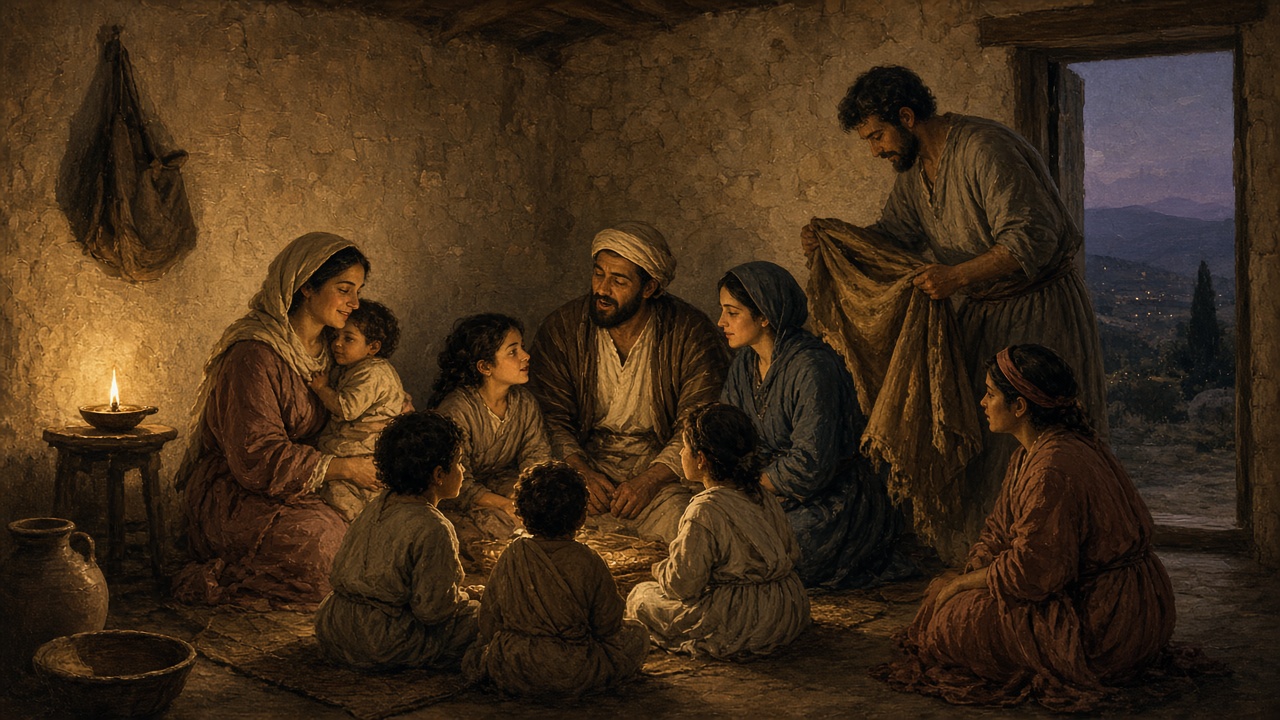
¿Sabías que…?
Vida nueva en un solo cuerpo y en el hogar
- Este capítulo presenta la vida transformada como un cambio de ropa. Se afirma que los lectores se han despojado del viejo hombre con sus prácticas y se han revestido del nuevo hombre, que se va renovando en conocimiento a imagen de su Creador. Luego se les pide que se vistan de un corazón compasivo, de bondad, humildad, mansedumbre y paciencia, y que por encima de todas estas virtudes se revistan de amor, vínculo de la perfecta unidad.Fuentes: el propio texto bíblico
- El capítulo enumera griego y judío, circunciso e incircunciso, bárbaro, escita, esclavo y libre, y declara que aquí no permanece ninguna de esas distinciones, porque Cristo es todo y está en todos.Fuentes: el propio texto bíblico
- El capítulo pasa luego a dar instrucciones para las relaciones del hogar: esposas y esposos, hijos y padres, y esclavos y sus amos terrenales. Se advierte a los padres que no provoquen a sus hijos, para que no se desalienten. A los esclavos se les dice que obedezcan con sinceridad de corazón, no solo mientras los observan, y que trabajen con todo su ser para el Señor y no para los hombres, con la promesa de una herencia de parte del Señor como recompensa; quien hace el mal recibirá el pago de lo que hizo, y no hay favoritismo.Fuentes: el propio texto bíblico
Notas escritas con ayuda de IA a partir de fuentes abiertas (Theographic Bible Metadata, CC BY-SA 4.0; Easton’s Bible Dictionary, dominio público) y revisadas antes de publicarse.
Créditos y licencia de esta traducción
Alkawal Kesal
Portions of the New Testament in the Fulfulde Borgu language of Benin
copyright © 2011 SIM International
Language: Fulfulde Borgu (Fulfulde, Borgu)
Translation by: SIM
This translation text is made available to you under the
terms of the Creative Commons License: Attribution-Noncommercial-No Derivative Works.
( http://creativecommons.org/licenses/by-nc-nd/3.0/ )
In addition, you have permission to port the text to different file formats, as long as you
do not change any of the text or punctuation of the Bible.
You may share, copy, distribute, transmit, and extract portions
or quotations from this work, provided that you include the above copyright
information:
You must give Attribution to the work.
You do not sell this work for a profit.
You do not make any derivative works that change any of the actual words or punctuation of the Scriptures.
Permissions beyond the scope of this license may be
available if you contact
us with your request.
This translation is made available to you under the terms of the
Creative Commons Attribution-Noncommercial-No Derivatives license 4.0.
You may share and redistribute this Bible translation or extracts from it in any format, provided that:
You include the above copyright and source information.
You do not sell this work for a profit.
You do not change any of the words or punctuation of the Scriptures.
Pictures included with Scriptures and other documents on this site are licensed just for use with those Scriptures and documents.
For other uses, please contact the respective copyright owners.
2014-10-16
Fuente: http://ebible.org/fue/ · eBible.org