1 Juan 3
Alkawal Kesal · Toca un versículo para ver sus referencias cruzadas.
Ɓiɓɓe Alla
1Daaree no Alla Baaba yiɗiri en, faa noddaɗen ɓiɓɓe makko. Een ɓiɓɓe makko e gooŋa. Ko acci duuniyaaru annaa en woni gam nu annaa mo. 2Yiɗaaɓe am, jooni en laatake ɓiɓɓe Alla. Ko laatoytoɗen laaɓay taw. Amma een anni to Almasiihu wittoy holliti hoore mum, en nandan e makko, gam en ji'an mo hande no o wa'i. 3Gooduɗo tammuwe nen dow Almasiihu, laaɓinan hoore mum hande no kanko Almasiihu o laatori laaɓuɗo.
4Gaɗoowo hakke fu, ƴartake sariya Alla. Gam waɗugo hakke laati nun ƴartaago sariya Alla. 5Oon anni Almasiihu wari gam moytugo hakkeeji, kanko mo walaa hakke. 6Kawtuɗo e makko fu waɗataa hakke. Gaɗoowo hakke fu, yi'ay mo, annaa mo bo.
7Sukaaɓe am, to on accee goɗɗo majjina on! Gaɗoowo ko goonɗi fu laati nun gooŋaajo, hande no Almasiihu laatori gooŋaajo. 8Gaɗoowo hakke fu laati nun neɗɗo Ibiliisa, gam Ibiliisa e waɗa hakke diga fuɗɗoode. Gam majjum Ɓiɗɗo Alla wari gam halka golle Ibiliisa.
9Laatiiɗo ɓinŋel Alla fu, waɗataa hakke, gam awdi Alla na'on der makko. Joomum waawataa ko tokkii waɗugo hakke, gam Alla laatii baaba makko. 10Ko seennontirta ɓiɓɓe Alla e ɓiɓɓe Ibiliisa nani: mo waɗay ko goonɗi fu, neɗɗo Alla bane. Mo yiɗaa banniraaɓe mum bo, laataaki mo Alla.
En jiɗontiree hakkune men
11Habaru nanuɗon diga fuɗɗoode nani: Jiɗontiren hakkune meeɗen. 12Haanay gaɗen hande no Kayiinu waɗi kanko laatiiɗo mo Ibiliisa, o warii minnyiiko. Gam ume waɗi o wari minnyiiko? O warii mo gam golle makko wooɗay, go ɗe minnyiiko laatii goonɗuɗe.
13Banniraaɓe, to on kayɗinee to himɓe duuniyaaru wanyii on. 14No een jiɗi banniraaɓe meeɗen, een anni en ƴartake maayde, en naatii der yonki. Mo yiɗaa banniraawo mum, der maayde woni. 15Banyuɗo banniraawo mum fu, laati nun baroowo himɓe. Oon anni walaa baroowo baa gooto woodi yonki tabitiiki der mum. 16No annitirɗen ko woni yidde nun, Almasiihu hokkitirii yonki mum gam meeɗen. To nun enen bo, e haani kokkitiren yonkiiji meeɗen gam banniraaɓe men. 17To jom jawdiijo yi'ii banniraawo mum e talakiɗi, ko yurmaaki mo, noy yidde Alla waawirta ko woni e makko? 18Sukaaɓe am, haanay yidde meeɗen laatoo e haala belka tan, sey ka laatoo e gaɗu gooŋawu.
Daraago yeeso Alla
19Kanjum hollata, en na'on der gooŋa, en deƴƴitinan ɓerɗe meeɗen yeeso Alla. 20To ɓerɗe meeɗen gaccake en, Alla e ɓuri ɓerɗe meeɗen, emo anni huune fu. 21Banniraaɓe am yiɗaaɓe, to ɓerɗe meeɗen gaccaaki en, en daroto yeeso Alla e hoolaare. 22O hokkan en ko eeluɗen mo fu, gam en tokkii ooda makko, een gaɗa ko fottani mo. 23Ooda ka o hokki en woni, goonɗinen inne Yeesu Almasiihu, Ɓiɗɗo makko, kade bo jiɗontiren hakkune meeɗen hande no o ƴamiri en. 24Ɗowtaniiɗo ooda Alla fu e hawti e Alla, Alla bo e hawti e joomum. Ruuhu mo o hokki en, kanŋu anninta en oo hawti e meeɗen.
¿Sabías que…?
Hijos de Dios y amor fraterno
- La advertencia de no ser como Caín recuerda al primogénito de Adán y Eva, labrador de la tierra, cuyo hermano Abel seguía la vida pastoral. Ellos presentaron ofrendas: la de Abel, de los primogénitos y de la grasa del rebaño, fue aceptada como más excelente, y Caín, cuya ofrenda era del fruto de la tierra, se enfureció mucho. La carta dice que Caín era del maligno y asesinó a Abel porque sus propias obras eran malas y las de su hermano eran justas.Fuentes: Cain · el propio texto bíblico
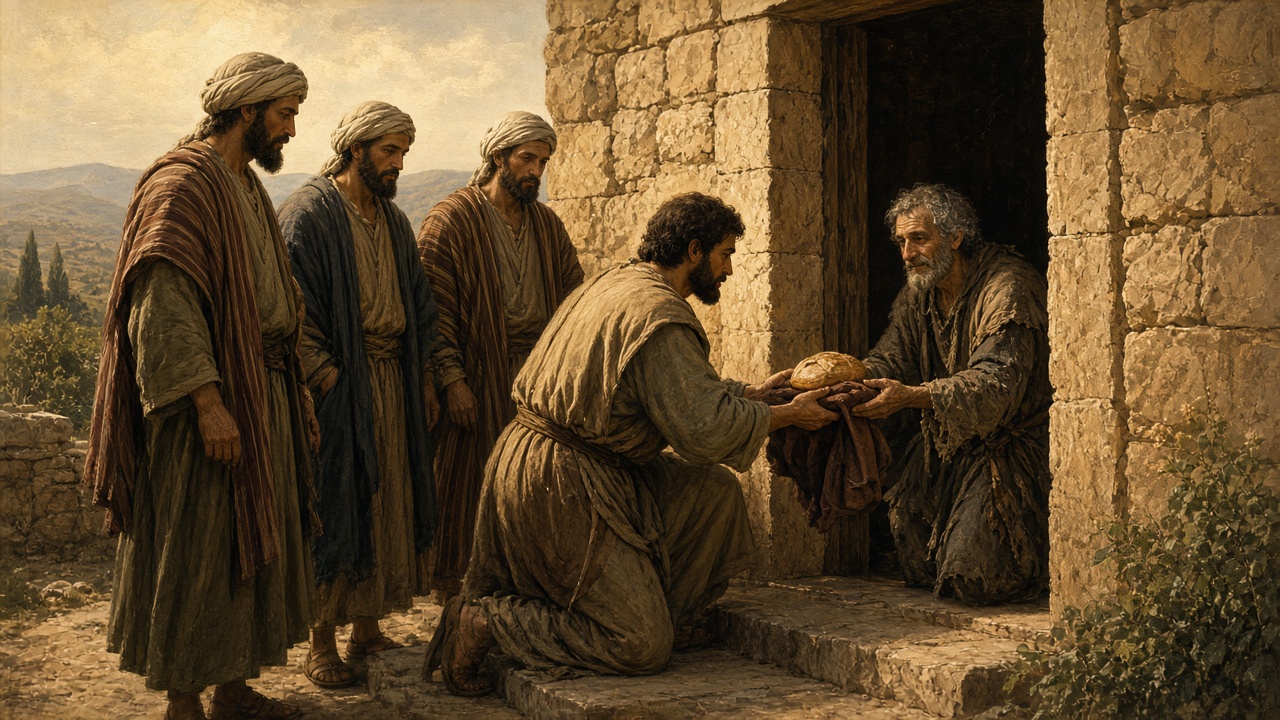
- En este capítulo, odiar al hermano se trata como homicidio: todo el que odia a su hermano es un homicida, y la vida eterna no reside en un homicida. El amor se conoce porque Jesús entregó su vida por nosotros, y se dice a los lectores que deben entregar la vida por sus hermanos.Fuentes: el propio texto bíblico
- Los hijos de Dios se distinguen de los hijos del diablo por practicar la justicia y por amar al hermano. El mensaje oído desde el principio es que debemos amarnos unos a otros, y el mandamiento de Dios es creer en el nombre de su Hijo, Jesucristo, y amarnos unos a otros como él mandó.Fuentes: el propio texto bíblico
Notas escritas con ayuda de IA a partir de fuentes abiertas (Theographic Bible Metadata, CC BY-SA 4.0; Easton’s Bible Dictionary, dominio público) y revisadas antes de publicarse.
Créditos y licencia de esta traducción
Alkawal Kesal
Portions of the New Testament in the Fulfulde Borgu language of Benin
copyright © 2011 SIM International
Language: Fulfulde Borgu (Fulfulde, Borgu)
Translation by: SIM
This translation text is made available to you under the
terms of the Creative Commons License: Attribution-Noncommercial-No Derivative Works.
( http://creativecommons.org/licenses/by-nc-nd/3.0/ )
In addition, you have permission to port the text to different file formats, as long as you
do not change any of the text or punctuation of the Bible.
You may share, copy, distribute, transmit, and extract portions
or quotations from this work, provided that you include the above copyright
information:
You must give Attribution to the work.
You do not sell this work for a profit.
You do not make any derivative works that change any of the actual words or punctuation of the Scriptures.
Permissions beyond the scope of this license may be
available if you contact
us with your request.
This translation is made available to you under the terms of the
Creative Commons Attribution-Noncommercial-No Derivatives license 4.0.
You may share and redistribute this Bible translation or extracts from it in any format, provided that:
You include the above copyright and source information.
You do not sell this work for a profit.
You do not change any of the words or punctuation of the Scriptures.
Pictures included with Scriptures and other documents on this site are licensed just for use with those Scriptures and documents.
For other uses, please contact the respective copyright owners.
2014-10-16
Fuente: http://ebible.org/fue/ · eBible.org