Mateo 10
Biblica® Se aɖeke mebla Biblia zazã o Agbenya La™ · Toca un versículo para ver sus referencias cruzadas.
Yesu yɔ eƒe nusrɔ̃la wuieveawo
1Yesu yɔ eƒe nusrɔ̃la wuieveawo ƒo ƒu, eye wòna ŋusẽ wo be woanya gbɔgbɔ vɔ̃wo le amewo me, eye woada dɔ sia dɔ ƒomevi.
2Eƒe nusrɔ̃la wuieveawo ƒe ŋkɔwoe nye:
Simɔn (ame si woyɔna hã be Petro) kple nɔvia Andrea,
Yakobo kple nɔvia Yohanes, ame siwo nye Zebedeo ƒe viwo,
3Filipo kple Bartolomeo;
Toma kple Mateo, si nye nudzɔla;
Yakobo, Alfeo ƒe vi, kple Tadeo;
4Simɔn, ame si nye Zelotetɔ kple Yuda Iskariɔt, ame si va de Yesu asi.
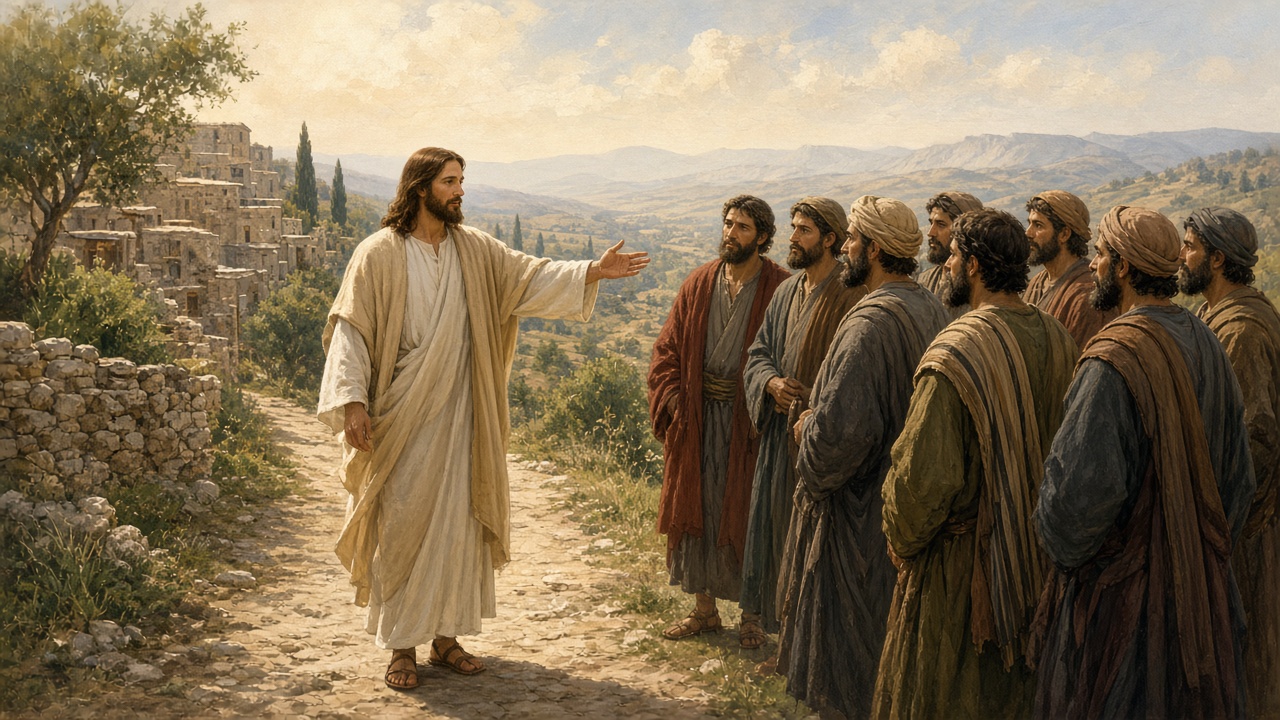
Yesu dɔ eƒe nusrɔ̃la wuieveawo
5Yesu dɔ eƒe nusrɔ̃la wuieveawo kple gbedeasi sia be, “Migayi Trɔ̃subɔlawo kple Samariatɔwo gbɔ o, 6ke boŋ miyi Israelvi siwo nye Mawu ƒe alẽ bubuwo la ko gbɔ. 7Miyi miagblɔ na wo be dziƒofiaɖuƒe la ɖo vɔ. 8Mida gbe le dɔnɔwo ŋu, migbɔ agbe ame kukuwo, mina anyidzelawo ŋuti nakɔ, eye minya gbɔgbɔ vɔ̃wo do goe le amewo me. Mina nu amewo faa abe ale si wona mi ene!
9“Migatsɔ ga aɖeke de miaƒe gabusuwo me na miaƒe mɔzɔzɔ o, 10migatsɔ mɔzɔkotoku kple awu bubuwo hã ɖe asi o, eye migatsɔ afɔkpa alo atizɔti teti hã o, elabena dɔwɔla dze eƒe nuɖuɖu. 11Nenye be miege ɖe du alo kɔƒe aɖe me la, midi mawuvɔ̃la aɖe mianɔ eƒe aƒe me va se ɖe esime miadzo ayi du bubu me. 12Nenye be miege ɖe aƒe aɖe me la, mido gbe na ameawo, eye miabia dzeƒe ɖokuibɔbɔtɔe. 13Nenye be aƒea me tɔwo nye mawuvɔ̃lawo vavã la, miyra wo, ke ne womele nenema o la, miaƒe ŋutifafa agagbugbɔ ava mia dzi. 14Ne du aɖe me tɔwo alo aƒe aɖe me tɔwo mexɔ mi o, eye womeɖo to mi o la, miʋuʋu miaƒe afɔke ɖe teƒea ne miadzo. 15Vavã mele egblɔm na mi be, anɔ bɔbɔe na Sodom kple Gomoranyigba le ʋɔnudrɔ̃gbe la wu ame siawo ƒomevi.
Yometitiwo
16“Mele mia dɔm abe alẽwo ene ɖo ɖe amegaxi nyanyrawo dome. Midze aye abe dawo ene, eye midza abe akpakpawo ene. 17Mikpɔ mia ɖokuiwo dzi nyuie le amewo ŋuti! Elabena woalé mi, adrɔ̃ ʋɔnu mi, eye woaƒo mi le woƒe ƒuƒoƒewo. 18Ɛ̃, le tanye la, woadrɔ̃ ʋɔnu mi le fiawo kple mɔmefiawo ƒe ŋkume. Ke esia anye mɔnukpɔkpɔ na mi be miagblɔ nyanyui la na wo kple ame siwo menye Yudatɔwo o la katã.
19“Nenye be wolé mi, kplɔ mi yi ʋɔnu la, migatsi dzi le nu si miagblɔ ŋuti o, elabena woade nya si tututu wòle be miagblɔ la susu me na mi le ɣeyiɣi ma me. 20Elabena menye miawo ŋutɔe aƒo nu o, ke boŋ mia Fofo si le dziƒo la ƒe Gbɔgbɔe le nu ƒo ge to mia dzi.
21“Mele egblɔm na mi be nɔvi ahe nɔvi ade ku me, eye vi fofo ade eya ŋutɔ via asi. Ɖeviwo atsi tsitre ɖe wo dzilawo ŋuti, eye woahe wo ade ku me. 22Ame sia ame alé fu mi, elabena mienye tɔnyewo. Ke mia dometɔ siwo anɔ tsitre sesĩe va se ɖe nuwuwu la akpɔ ɖeɖe.
23“Nenye be woti mia yome le du aɖe me la, misi yi du bubu me! Vavã mele egblɔm na mi bena, nye Amegbetɔ Vi, matrɔ agbɔ hafi miawu tsatsa le Israel duwo katã me nu. 24Minyae be sukuvi menyaa nu wu eƒe nufiala o. Nenema ke subɔla mewua eƒe aƒetɔ o. 25Ne nya aɖe dzɔ ɖe nufiala aɖe dzi la, eƒe sukuvi la hã dzi wòdzɔ ɖo. Nenema ke ne nya aɖe dzɔ ɖe Aƒetɔ aɖe dzi la, eƒe subɔvi hã le eme, eye esi wònye be woyɔ nye, Aƒea dzi kpɔla be Belzebul ɖe, aleke woayɔ miawoe?
Ame si miavɔ̃
26“Migavɔ̃ ame siwo ado ŋɔdzi na mi la o, elabena ŋkeke li gbɔna esi dzi woƒe adzameɖoɖo vɔ̃wo adze le gaglãgbe, eye ame sia ame akpɔ nyateƒe la adze sii.
27“Nya siwo gblɔm mele na mi le viviti me la, migblɔ wo le kekeli me. Ne mede gbe to me na mi la, miɖe gbeƒãe le xɔwo tame.
28“Migavɔ̃ na ame siwo ate ŋu awu miaƒe ŋutilã, ke womate ŋu awu miaƒe gbɔgbɔ o la gbeɖe o! Mivɔ̃ Mawu ɖeka hɔ̃ɔ, ame si si ŋusẽ le be wòawu ŋutilã kple gbɔgbɔ la siaa le dzomavɔ me. 29Nenie nye akpakpa ɖeka ƒe home? Menye sidi ɖeka pɛ koe oa? Ke wo dometɔ ɖeka pɛ hã meli si dzena ɖe anyigba dzi si mia Fofo la mekpɔna o. 30Miaƒe taɖa katã gɔ̃ hã ƒe xexlẽme le nyanya me na Mawu, 31eya ta migavɔ̃ o; miawo la, miexɔ asi na Mawu tsɔ wu atsutsrɔewo.
Kristo me ʋuʋu le amewo gbɔ
32“Ame sia ame si aʋu menye le dutoƒo la, nye hã maʋu eme le Fofo la gbɔ le dziƒo. 33Ke ne ame aɖe gbe nu le gbɔnye le dutoƒo la, nye hã magbe nu le egbɔ le Fofonye gbɔ le dziƒo.
Menye ŋutifafa o, ke boŋ yi
34“Migabu xaa be meva be mahe ŋutifafa va anyigba dzi o. Nyemeva be mahe ŋutifafa vɛ o, ke boŋ yi metsɔ vɛ, 35elabena meva be mana,
“ ‘ŋutsu natso ɖe fofoa ŋu,
vinyɔnu natso ɖe dadaa ŋu,
eye lɔ̃xoyɔvi natso ɖe lɔ̃xoa ŋu.
36Ame ƒe futɔwo anye eya ŋutɔ ƒe aƒemetɔwo.’
37“Nenye be mielɔ̃ mia dadawo kple mia fofowo tsɔ wum la, ekema miedze be mianye tɔnyewo o, nenema ke ne mielɔ̃ mia vinyɔnuwo kple mia viŋutsuwo tsɔ wum la, miedze be mianye tɔnyewo o. 38Ne ame aɖe gbe metsɔ eƒe atitsoga dze yonyeme o la, eya hã medze anye tɔnye o.
39“Nenye be ame aɖe ku ɖe eƒe agbe ŋuti vevie la, abui, ke ne ame aɖe tsɔ eƒe agbe na ɖe tanye la, akpɔe le nuwuwua.
Fetuwo
40“Ne ame aɖe xɔ mi nyuie la, nyee wòxɔ, eye ne ame aɖe xɔm la, exɔ Mawu si dɔm ɖa la. 41Nenye be miexɔ Nyagblɔɖila aɖe be enye Mawu ƒe ame la, woana fetu si ƒomevi woana Nyagblɔɖila la ke miawo hã, eye nenye be miexɔ ame nyui siwo vɔ̃a Mawu le woƒe dzadzɛnyenye ta la, woana fetu si woana woawo hã mi. 42Ne ame aɖe ana tsi fafɛ kplu ɖeka ame gblɔe siawo dometɔ ɖeka, be enye nye nusrɔ̃la ta la, mele egblɔm na mi le nyateƒe me be mabu fetu si wòaxɔ la o.”
¿Sabías que…?
Los doce enviados en misión
- Simón, llamado Pedro, y su hermano Andrés —la primera pareja nombrada entre los doce— eran pescadores de Betsaida, en la costa occidental del mar de Galilea. Santiago y Juan, mencionados a continuación, eran hijos de Zebedeo, un pescador de Galilea que tenía sus propias barcas y jornaleros.Fuentes: el propio texto bíblico · Simon Peter · Andrew · Zebedee
- Mateo, identificado en la lista como el recaudador de impuestos, era hijo de Alfeo y antes se conocía como Leví; cobraba impuestos en Capernaúm, y el nombre Mateo significa “don de Dios”. Tomás, nombrado junto a él, también era llamado Dídimo, el equivalente griego del nombre hebreo, que significa “gemelo”. Bartolomé significa “hijo de Tolmai” y, por lo general, se supone que es la misma persona que Natanael.Fuentes: el propio texto bíblico · Matthew · Thomas · Bartholomew
- Jesús advierte que el día del juicio será más tolerable para Sodoma y Gomorra que para un pueblo que rechace a los doce apóstoles. El Diccionario Bíblico de Easton (1897) describe esas ciudades de la llanura de Sidim como destruidas por fuego y proverbiales por su maldad, y las ubica, probablemente juntas, cerca del extremo norte de lo que hoy es el mar Muerto.Fuentes: el propio texto bíblico · Sodom · Gomorrah
Notas escritas con ayuda de IA a partir de fuentes abiertas (Theographic Bible Metadata, CC BY-SA 4.0; Easton’s Bible Dictionary, dominio público) y revisadas antes de publicarse.
Créditos y licencia de esta traducción
Biblica® Se aɖeke mebla Biblia zazã o Agbenya La™ Éwé: Biblica® Se aɖeke mebla Biblia zazã o Agbenya La™ (Bible) of Ghana copyright © 1988, 2006, 2020 Biblica, Inc. Language: eʋegbe Contributor: Biblica, Inc. Dɔwɔƒe si na wò asi ka agbalẽ sia lae nye Creative Commons Attribution-ShareAlike 4.0 International License (CC BY-SA). Ne èdi be yeakpɔ laisensi alo mɔɖegbalẽ sia la, yi ɖe http://creativecommons.org/licenses/by-sa/4.0 alo ŋlɔ agbalẽ na Creative Commons Dɔwɔƒea to adrɛsi sia dzi: Creative Commons, PO Box 1866, Mountain View, CA 94042, USA. Biblica, Inc. na wode Biblica® kple eƒe dzesidenu agbalẽ me, eye woaŋlɔ agbalẽ axɔ mɔɖeɖe tso Biblica, Inc. gbɔ hafi woawɔ Biblica® ƒe dzesidenu la ŋu dɔ. Le CC BY-SA ƒe mɔɖeɖe ƒe sewo nu la, àte ŋu azã agbalẽ sia me nyawo le dɔ bubuwo wɔwɔ me gake ele be nàde dzesi Biblica ƒe dzesidenu la abe ale si wòle ene. Ne ètrɔ asi le agbalẽ sia ŋu alo zãe le mɔ bubu nu la, ele be nàɖe Biblica® ƒe dzesidenu la ɖa. Ele be nàde dzesi tɔtrɔ siwo nèwɔ la ɖe agbalẽ la me eye nàde dzesii be: “Àte ŋu akpɔ Biblica, Inc. ƒe dɔ gbãtɔ le www.biblica.com kple open.bible femaxee.” Ele be nutɔnyenye ƒe dzeside nadze le agbalẽ la ƒe axa si tanya alo nutɔnyenye ƒe dzesi nɔna la ale: Biblica® Se aɖeke mebla Biblia zazã o Agbenya La™ Nutɔnyenye © 1988, 2006, 2020 Biblica, Inc. Biblica® Open Ewe Contemporary Scriptures™ Copyright © 1988, 2006, 2020 by Biblica, Inc. Biblica, Inc. na Dɔwɔƒe si Kpɔa Nutɔnyenye kple Adzɔdodo ƒe Nyawo dzi le Amerika la de “Biblica” kple eƒe dzesidenu agbalẽ me. Woaxɔ mɔɖeɖe na ezazã. “Biblica” is a trademark registered in the United States Patent and Trademark Office by Biblica, Inc. Used with permission. Ele be nàna míaƒe asi naka wò agbalẽ la le laisensi alo mɔɖeɖe ƒe se (CC BY-SA) sia nu. Ne èdi be yeana nyanya Biblica, Inc. tso agbalẽ sia zazã ŋu la, anyo be nàdo ta ɖe mía gbɔ le https://open.bible/contact-us. This work is made available under the Creative Commons Attribution-ShareAlike 4.0 International License (CC BY-SA). To view a copy of this license, visit http://creativecommons.org/licenses/by-sa/4.0 or send a letter to Creative Commons, PO Box 1866, Mountain View, CA 94042, USA. Biblica® is a trademark registered by Biblica, Inc., and use of the Biblica® trademark requires the written permission of Biblica, Inc. Under the terms of the CC BY-SA license, you may copy and redistribute this unmodified work as long as you keep the Biblica® trademark intact. If you modify a copy or translate this work, thereby creating a derivative work, you must remove the Biblica® trademark. On the derivative work, you must indicate what changes you have made and attribute the work as follows: “The original work by Biblica, Inc. is available for free at www.biblica.com and open.bible.” Notice of copyright must appear on the title or copyright page of the work as follows: Biblica® Se aɖeke mebla Biblia zazã o Agbenya La™ Nutɔnyenye © 1988, 2006, 2020 Biblica, Inc. Biblica® Open Ewe Contemporary Scriptures™ Copyright © 1988, 2006, 2020 by Biblica, Inc. Biblica, Inc. na Dɔwɔƒe si Kpɔa Nutɔnyenye kple Adzɔdodo ƒe Nyawo dzi le Amerika la de “Biblica” kple eƒe dzesidenu agbalẽ me. Woaxɔ mɔɖeɖe na ezazã. “Biblica” is a trademark registered in the United States Patent and Trademark Office by Biblica, Inc. Used with permission. You must also make your derivative work available under the same license (CC BY-SA). If you would like to notify Biblica, Inc. regarding your translation of this work, please contact us at https://open.bible/contact-us. This translation is made available to you under the terms of the Creative Commons Attribution Share-Alike license 4.0. You have permission to share and redistribute this Bible translation in any format and to make reasonable revisions and adaptations of this translation, provided that: You include the above copyright and source information. If you make any changes to the text, you must indicate that you did so in a way that makes it clear that the original licensor is not necessarily endorsing your changes. If you redistribute this text, you must distribute your contributions under the same license as the original. Pictures included with Scriptures and other documents on this site are licensed just for use with those Scriptures and documents. For other uses, please contact the respective copyright owners. Note that in addition to the rules above, revising and adapting God's Word involves a great responsibility to be true to God's Word. See Revelation 22:18-19. 2025-05-01
Fuente: http://ebible.org/ewe/ · eBible.org