Salmos 61
Noah Webster Bible · Toca un versículo para ver sus referencias cruzadas.
You Have Heard My Vows
1To the chief Musician upon Neginah, A Psalm of David. Hear my cry, O God; attend to my prayer. 2From the end of the earth will I cry to thee, when my heart is overwhelmed: lead me to the rock that is higher than I. 3For thou hast been a shelter for me, and a strong tower from the enemy. 4I will abide in thy tabernacle for ever: I will trust in the covert of thy wings. Selah. 5For thou, O God, hast heard my vows: thou hast given me the heritage of those that fear thy name. 6Thou wilt prolong the king's life: and his years as many generations. 7He shall abide before God for ever: O prepare mercy and truth, which may preserve him. 8So will I sing praise to thy name for ever, that I may daily perform my vows.
¿Sabías que…?
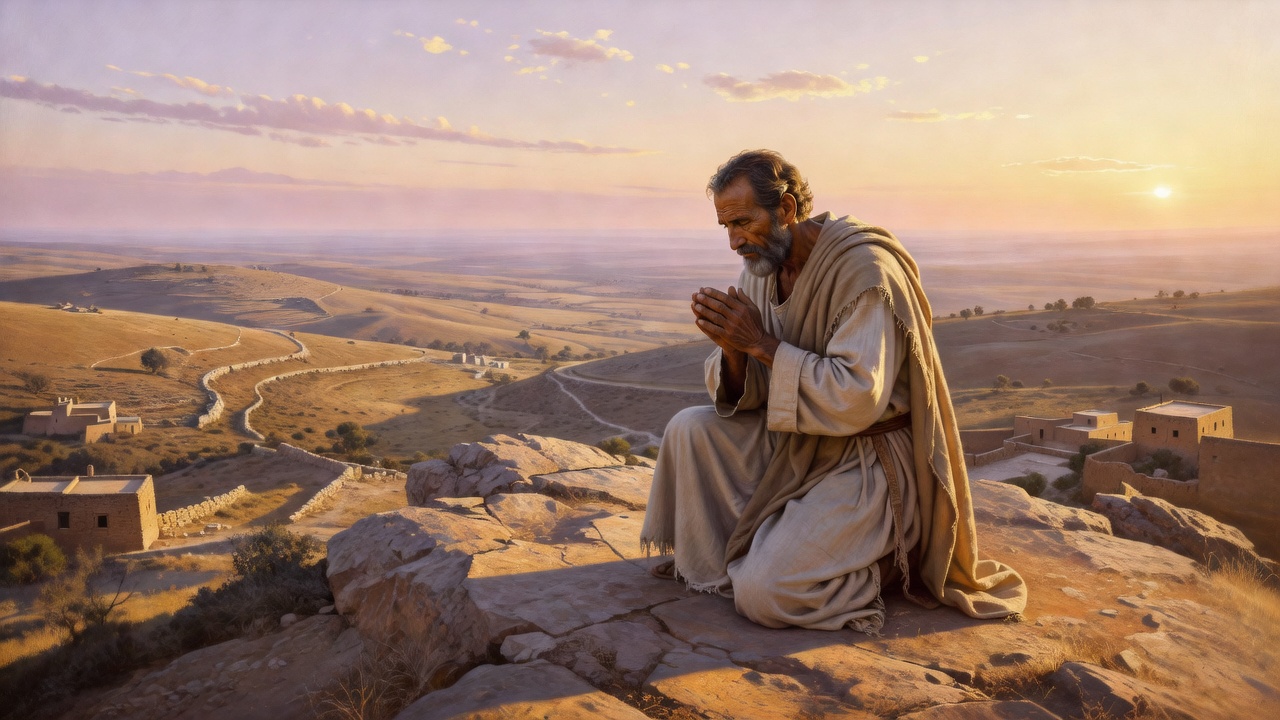
Una Oración por Refugio y por el Rey
- El salmo comienza con indicaciones musicales dirigidas al director del coro para ser interpretado con instrumentos de cuerda, y el encabezado atribuye la composición a David.Fuentes: el propio texto bíblico
- El salmista emplea imágenes elocuentes de seguridad divina, describiendo a Dios como una roca elevada, una torre fuerte frente a los adversarios, una tienda sagrada y alas protectoras.Fuentes: el propio texto bíblico
- En la segunda mitad del salmo, la súplica del autor se amplía para incluir una oración por la longevidad del rey, pidiendo que su reinado perdure por generaciones en la presencia de Dios.Fuentes: el propio texto bíblico
Notas escritas con ayuda de IA a partir de fuentes abiertas (Theographic Bible Metadata, CC BY-SA 4.0; Easton’s Bible Dictionary, dominio público) y revisadas antes de publicarse.
Créditos y licencia de esta traducción
Noah Webster Bible
The Holy Bible, Containing the Old and New Testaments, in the Common Version, with Amendments of the language by Noah Webster, LL.D.
Public Domain
Language: English
Dialect: archaic American
Translation by: Noah Webster
2024-08-01
Títulos de sección adaptados de la Berean Standard Bible (dominio público); no forman parte del texto bíblico de esta traducción.
Fuente: http://ebible.org/engwebster/ · eBible.org