Eclesiastés 6
Noah Webster Bible · Toca un versículo para ver sus referencias cruzadas.
The Futility of Life
1There is an evil which I have seen under the sun, and it is common among men: 2A man to whom God hath given riches, wealth, and honor, so that he wanteth nothing for his soul of all that he desireth, yet God giveth him not power to eat of it, but a stranger eateth it: this is vanity, and it is an evil disease. 3If a man begetteth a hundred children , and liveth many years, so that the days of his years are many, and his soul is not filled with good, and also that he hath no burial; I say, that an untimely birth is better than he. 4For he cometh with vanity, and departeth in darkness, and his name shall be covered with darkness. 5Moreover he hath not seen the sun, nor known any thing : this hath more rest than the other. 6Yes, though he liveth a thousand years twice told , yet hath he seen no good: do not all go to one place? 7All the labor of man is for his mouth, and yet the appetite is not filled. 8For what hath the wise more than the fool? what hath the poor, that knoweth to walk before the living? 9Better is the sight of the eyes than the wandering of the desire: this is also vanity and vexation of spirit. 10That which hath been is named already, and it is known that it is man: neither may he contend with him that is mightier than he. 11Seeing there are many things that increase vanity, what is man the better? 12For who knoweth what is good for man in this life, all the days of his vain life which he spendeth as a shadow? for who can tell a man what shall be after him under the sun?
¿Sabías que…?
La Vanidad de la Riqueza Insatisfecha
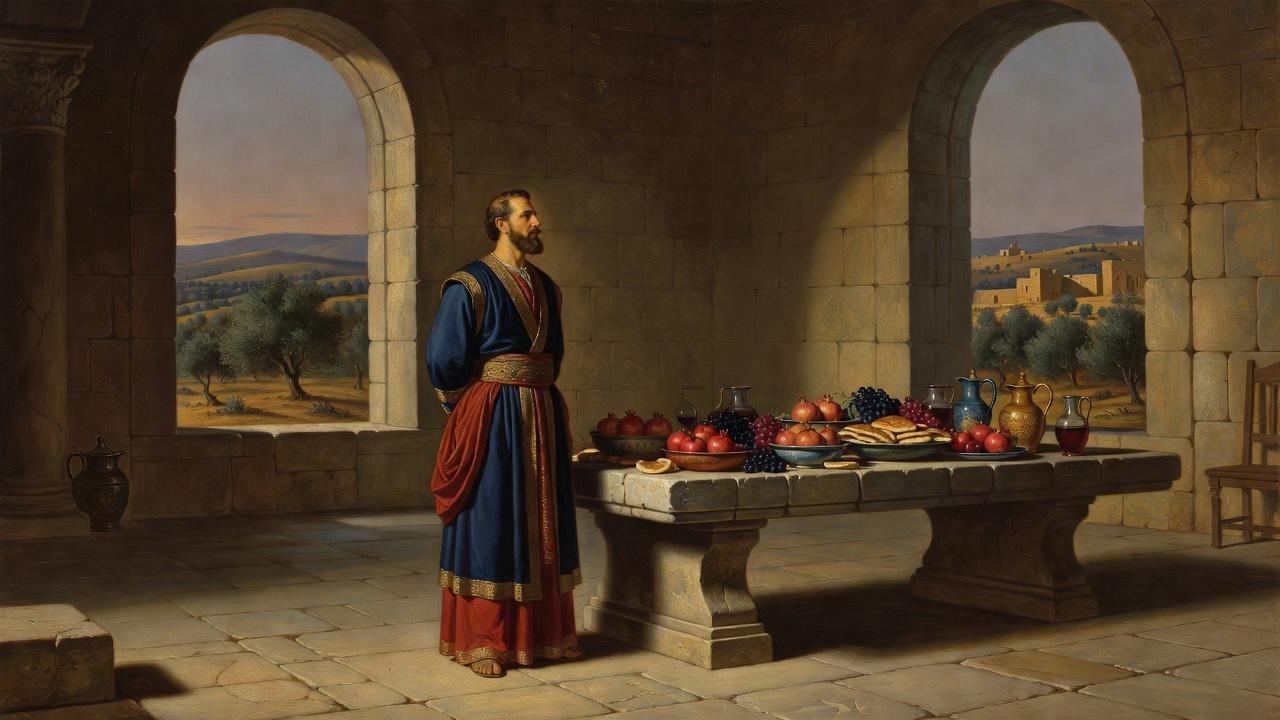
- En el pensamiento antiguo, gozar de una larga vida y engendrar muchos hijos se consideraban las mayores señales de bendición. Sin embargo, Eclesiastés observa que incluso vivir dos mil años y tener cien hijos carece de sentido si la persona no puede disfrutar de su prosperidad ni recibir una sepultura digna.Fuentes: el propio texto bíblico
- El autor señala que, aunque el trabajo humano se destina a satisfacer necesidades físicas básicas como la comida, el apetito y los deseos nunca quedan del todo satisfechos. Él contrasta el valorar lo que está presente ante los ojos con la persecución incesante de anhelos errantes.Fuentes: el propio texto bíblico
- El capítulo resalta los límites humanos, señalando que los mortales no pueden contender con lo que ha sido dispuesto por alguien más fuerte que ellos. Dado que la vida es efímera como una sombra, el ser humano no puede discernir con certeza qué es lo mejor para sí ni saber qué sucederá después de su muerte.Fuentes: el propio texto bíblico
Notas escritas con ayuda de IA a partir de fuentes abiertas (Theographic Bible Metadata, CC BY-SA 4.0; Easton’s Bible Dictionary, dominio público) y revisadas antes de publicarse.
Créditos y licencia de esta traducción
Noah Webster Bible
The Holy Bible, Containing the Old and New Testaments, in the Common Version, with Amendments of the language by Noah Webster, LL.D.
Public Domain
Language: English
Dialect: archaic American
Translation by: Noah Webster
2024-08-01
Títulos de sección adaptados de la Berean Standard Bible (dominio público); no forman parte del texto bíblico de esta traducción.
Fuente: http://ebible.org/engwebster/ · eBible.org