Proverbios 29
The Orthodox Jewish Bible · Toca un versículo para ver sus referencias cruzadas.
The Flourishing of the Righteous
1He, that being often reproved, stiffeneth his neck,
shall suddenly be destroyed,
and that without marpeh (remedy).
2When the tzaddikim are increased, the people rejoice,
but when the rasha beareth rule, the people groan.
3He who loveth chochmah rejoiceth aviv,
but he that keepeth company with zonot squanders his hon (substance, wealth).
4Melech by mishpat establisheth eretz,
but an ish terumot (a man of bribes) bringeth it down.
5A gever that flattereth his neighbor
spreadeth a reshet (net) for his feet.
6By peysha (transgression) an ish rah is snared,
but the tzaddik doth sing and have simchah.
7The tzaddik considereth the cause of the dalim,
but the rasha (wicked) doeth not understand such da'as (knowledge).
8Scornful men enflame a city,
but chachamim turn away af (wrath).
9If an ish chacham has to contend with a fool,
he rageth or laugheth, and hath no rest.
10The anshei damim hate the blameless,
but the yesharim seek his nefesh (soul, i.e., well-being).
11A kesil (fool) uttereth all his wrath,
but a chacham keepeth it back quietly.
12If a moshel pays heed to davar sheker,
all his mesharetim (officials, ministers) are resha'im.
13The rahsh (pauper) and the oppressor have this in common:
Hashem enlighteneth both their eynayim.
14If Melech shofet be'emes (judges in truth) the dalim,
his kisse shall be established forever.
15The shevet (rod) and tokhakhat (reproof) give chochmah,
but a na'ar (child) left to himself bringeth immo to shame.
16When the resha'im are multiplied, peysha (transgression) increaseth,
but the tzaddikim shall see their downfall.
17Correct binecha, and he shall give thee rest;
indeed, he shall give delight unto thy nefesh.
18Where there is no chazon (prophetic vision), the people cast off restaint,
but he that is shomer over the torah, happy is he.
19An eved will not be corrected by devarim,
for though he understand he will not answer.
20Seest thou an ish that is hasty in his devarim?
There is more tikvah for a kesil (fool) than for him.
21He that pampers his eved from youth up
shall have him as his ben at the acharit (end).
22An ish af (angry man) stirreth up strife,
and a ba'al chemah (ill-tempered man) aboundeth in peysha (transgression).
23Ga'avat adam (pride of man) shall bring him low,
but the humble in ruach shall attain kavod.
24He who is partner with a ganav hateth his own nefesh;
he heareth the curse of the victim but discloses nothing.
25The fear of adam bringeth a mokesh (snare),
but he who putteth his trust in Hashem shall be secure.
26Many seek the moshelʼs favor,
but mishpat ish cometh from Hashem.
27An unjust man is a to'evah to the tzaddikim,
and he that is yeshar derech (upright in the way) is to'evah to the rasha.
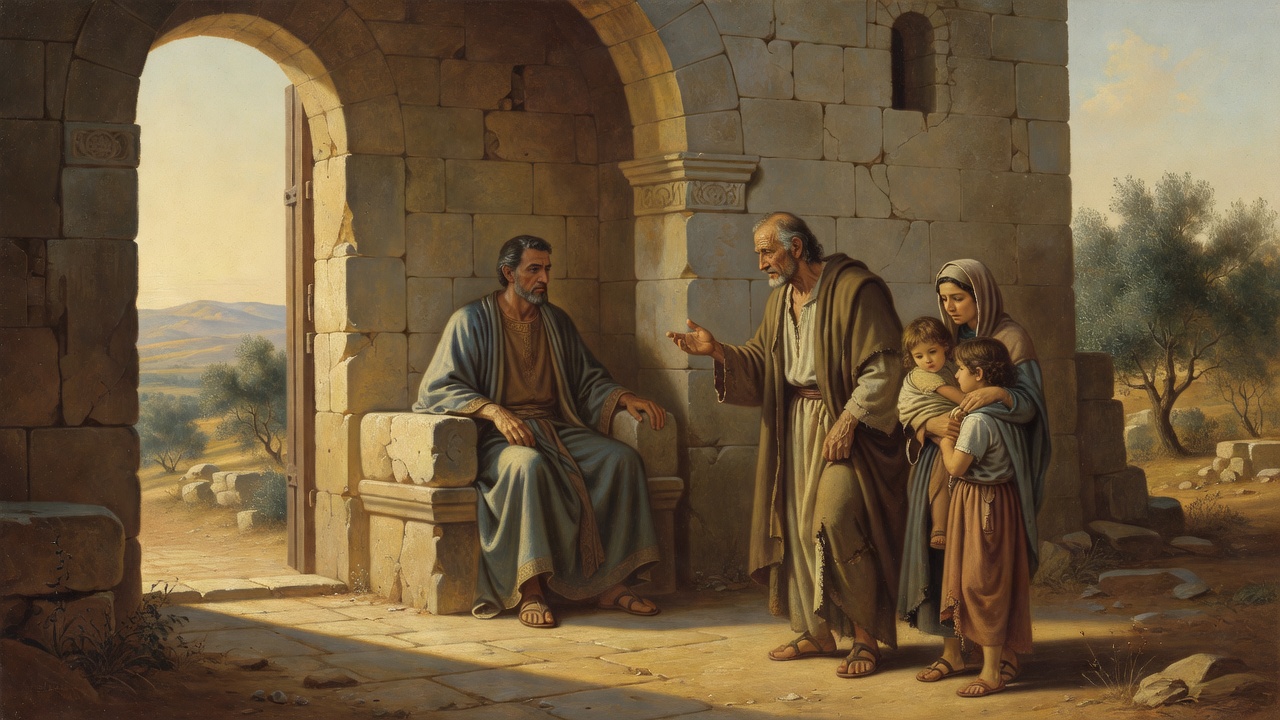
¿Sabías que…?
Justicia, Gobierno y Dominio Propio
- Proverbios 29 vincula repetidamente el bienestar de la sociedad con un gobierno justo, señalando que el pueblo se alegra cuando los justos gobiernan, pero gime bajo líderes impíos. Un rey que juzga a los pobres con equidad y mantiene la justicia da estabilidad al país, mientras que los gobernantes que escuchan mentiras corrompen a sus oficiales.Fuentes: el propio texto bíblico
- El capítulo destaca la importancia de la guía moral y la disciplina, observando que sin visión o revelación el pueblo se desenfrena, mientras que guardar la Ley trae bendición. Este principio de instrucción y corrección se aplica también directamente al hogar y a la crianza de los hijos.Fuentes: el propio texto bíblico
- El dominio propio en el habla y las emociones es un tema central: mientras que el necio desahoga toda su ira y habla con precipitación, el sabio la refrena. El texto advierte que el orgullo humilla al ser humano, pero el espíritu humilde obtiene honra.Fuentes: el propio texto bíblico
Notas escritas con ayuda de IA a partir de fuentes abiertas (Theographic Bible Metadata, CC BY-SA 4.0; Easton’s Bible Dictionary, dominio público) y revisadas antes de publicarse.
Créditos y licencia de esta traducción
The Orthodox Jewish Bible
The Orthodox Jewish Bible - Tanakh and Orthodox Jewish Brit Chadasha - The Holy Bible
copyright © 2002-2011, 2021, 2024 Artists for Israel International
Language: English
Contributor: Artists for Israel International
THE ORTHODOX JEWISH TANAKH
Artists For Israel Intl Inc.
This version also appears with the Orthodox Yiddish Triglot which presents the Hebrew Yiddish script in Latin script and an English word for word translation, available at afii.org/Torah
To donate PayPal.Me
This translation is made available to you under the terms of the
Creative Commons Attribution license 4.0.
You may share and redistribute this Bible translation or extracts from it in any format, provided that:
You include the above copyright and source information.
If you make any changes to the text, you must indicate that you did so in a way that makes it clear that the original licensor is not necessarily endorsing your changes.
Pictures included with Scriptures and other documents on this site are licensed just for use with those Scriptures and documents.
For other uses, please contact the respective copyright owners.
Note that in addition to the rules above, revising and adapting God's Word involves a great responsibility to be true to God's Word. See Revelation 22:18-19.
2026-01-06
Títulos de sección adaptados de la Berean Standard Bible (dominio público); no forman parte del texto bíblico de esta traducción.
Fuente: http://ebible.org/engojb/ · eBible.org