Proverbios 12
The Orthodox Jewish Bible · Toca un versículo para ver sus referencias cruzadas.
Loving Discipline and Knowledge
1He who loveth musar loveth da'as,
but he that hateth tokhakhat (reproof, correction) is ba'ar (a boorish, ignorant person).
2A tov (good man) obtaineth ratzon (favor) from Hashem,
but an ish mezimor (a man of crafty devices) will He condemn.
3An adam shall not be made secure by resha,
but the shoresh tzaddikim (root of the righteous ones) shall not be moved.
4An aishes chayil (a woman of valor, an excellent wife) is an ateret to her ba'al,
but she that bringeth shame is like rottenness in his atzmot.
5The thoughts of the tzaddikim are right,
but the tachbulot (guidance) of the resha'im are mirmah (deceitful).
6The devarim of the resha'im are to lie in wait for dahm,
but the peh (mouth) of the yesharim (upright ones) shall deliver them.
7The resha'im are overthrown, and are no more,
but the bais tzaddikim shall stand.
8An ish shall be commended according to his seichel,
but he that is of a perverse mind shall be despised.
9He that is lightly esteemed, and hath an eved,
is better than he that honoreth himself, and lacketh lechem.
10A tzaddik regardeth the nefesh (life) of his behemah (beast),
but the compassion of the resha'im is cruel.
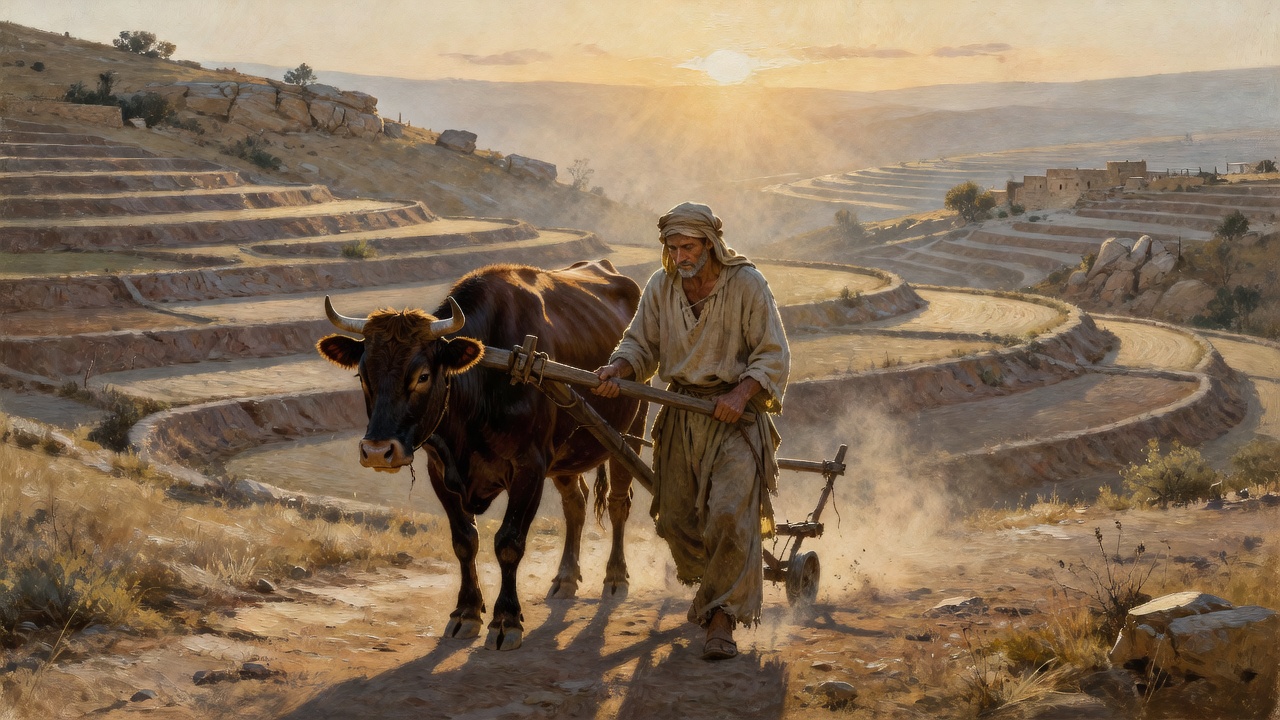
11He that worketh his adamah shall be satisfied with lechem,
but he that chaseth after worthless persons is devoid of lev.
12The resha coveteth the catch of ra'im (evil men),
but the shoresh (root) of the tzaddikim yieldeth fruit.
13The rah is ensnared by the peysha (transgression) of his sfatayim (lips),
but the tzaddik shall escape from tzoros.
14An ish shall be filled with tov by the fruit of his peh (mouth),
and the recompence of the hands of adam shall be rendered unto him.
15The derech of a fool is yashar (right) in his own eynayim,
but he that payeth heed unto etzah is chacham (wise).
16A foolʼs wrath is known immediately,
but a prudent man covereth kalon (shame, disgrace, shameful nakedness).
17He that speaketh emunah declareth tzedek,
but an ed shekarim, mirmah.
18There is one who speaketh rash words like the wounding of a cherev,
but the lashon of the chachamim promotes marpeh (healing).
19The lip of emes shall be established forever,
but a lashon sheker is but for a moment.
20Mirmah (deceit) is in the lev of them that plot rah,
but to the counsellors of shalom is simchah.
21There shall no harm befall the tzaddik,
but the resha'im shall be filled with rah.
22Sfatayim (lips) of sheker are to'evah to Hashem,
but they that deal emunah (faithfully, truthfully) are His delight.
23A prudent man concealeth da'as,
but the lev kesilim (mind of fools) preaches folly.
24The yad of the kharutzim (diligent ones) shall rule,
but the remiyyah (deceitfully lazy man) shall be put to forced labor.
25Anxiety in the lev ish causeth depression,
but a davar tov cheers it up.
26The tzaddik prevaileth advantageously over his neighbor,
but the derech resha'im leads them astray.
27The remiyyah (deceitfully lazy man) roasteth not that which he took in hunting,
but diligence is the precious possession of man.
28In the orach tzedakah (way of righteousness) is chayyim,
and in the derech netivot (pathway) thereof there is no mavet.
¿Sabías que…?
Sabiduría en el habla, el trabajo y la vida cotidiana
- Proverbios 12 enfatiza el valor del trabajo agrícola constante y la diligencia en lugar de perseguir ilusiones. Los proverbios contrastan la labor fiel, como labrar la tierra y aprovechar la caza obtenida, con la pereza que conduce al trabajo forzado y al desperdicio.Fuentes: el propio texto bíblico
- El capítulo resalta el poder del habla, comparando las palabras imprudentes con estocadas de espada y la lengua de los sabios con medicina. El testimonio verídico se describe como perdurable, mientras que el engaño causa daño y dura solo un momento.Fuentes: el propio texto bíblico
- El comportamiento ético en esta colección incluye el trato hacia los animales, señalando que la persona justa cuida la vida y el bienestar de su ganado, mientras que la compasión de los malvados es cruel.Fuentes: el propio texto bíblico
Notas escritas con ayuda de IA a partir de fuentes abiertas (Theographic Bible Metadata, CC BY-SA 4.0; Easton’s Bible Dictionary, dominio público) y revisadas antes de publicarse.
Créditos y licencia de esta traducción
The Orthodox Jewish Bible
The Orthodox Jewish Bible - Tanakh and Orthodox Jewish Brit Chadasha - The Holy Bible
copyright © 2002-2011, 2021, 2024 Artists for Israel International
Language: English
Contributor: Artists for Israel International
THE ORTHODOX JEWISH TANAKH
Artists For Israel Intl Inc.
This version also appears with the Orthodox Yiddish Triglot which presents the Hebrew Yiddish script in Latin script and an English word for word translation, available at afii.org/Torah
To donate PayPal.Me
This translation is made available to you under the terms of the
Creative Commons Attribution license 4.0.
You may share and redistribute this Bible translation or extracts from it in any format, provided that:
You include the above copyright and source information.
If you make any changes to the text, you must indicate that you did so in a way that makes it clear that the original licensor is not necessarily endorsing your changes.
Pictures included with Scriptures and other documents on this site are licensed just for use with those Scriptures and documents.
For other uses, please contact the respective copyright owners.
Note that in addition to the rules above, revising and adapting God's Word involves a great responsibility to be true to God's Word. See Revelation 22:18-19.
2026-01-06
Títulos de sección adaptados de la Berean Standard Bible (dominio público); no forman parte del texto bíblico de esta traducción.
Fuente: http://ebible.org/engojb/ · eBible.org