Salmos 39
Open English Bible (U. S. spelling) · Toca un versículo para ver sus referencias cruzadas.
Psalm 39 – The Pathos of Life
For the leader; for Jeduthun. A psalm of David.
1I vowed to watch my words,
and sin not with my tongue,
but to put on my mouth a muzzle,
while the wicked were in my presence.
2I was silent and dumb,
speechless:
but my pain was stirred up.
3My heart grew hot within me;
as I mused, the fire was kindled,
till at last the words came to my tongue.
4“Teach me, O Lord, my end,
and the sum of my days what it is.
Let me know how transient I am.
5See! My days you have made but a span,
and my life is as nothing before you.
It is but as a breath that everyone stands: Selah
6it is but in mere semblance we walk to and fro,
and all our noise is for nothing.
We heap up, and know not who will gather.”
7And now, what wait I for, Lord?
My hope is in you.
8From all my transgressions deliver me;
make me not the scorn of the fool.
9I am dumb, never opening my mouth,
for this is your own doing.
10Remove your stroke from off me:
by the might of your hand I am spent.
11When you rebuke someone to punish their sins,
you consume, like a moth, what they tresure.
Everyone is only a breath. Selah
12Hear my prayer, O Lord;
attend to my cry for help.
Hold not your peace at my tears.
For I am but a guest of yours,
a stranger visiting, like all my ancestors.
13Look away from me, let me smile again,
before I die and am gone.
¿Sabías que…?
La fragilidad y brevedad de la vida humana
- El encabezado dedica esta composición al director del coro y a Jedutún, atribuyendo la oración a David.Fuentes: el propio texto bíblico · David
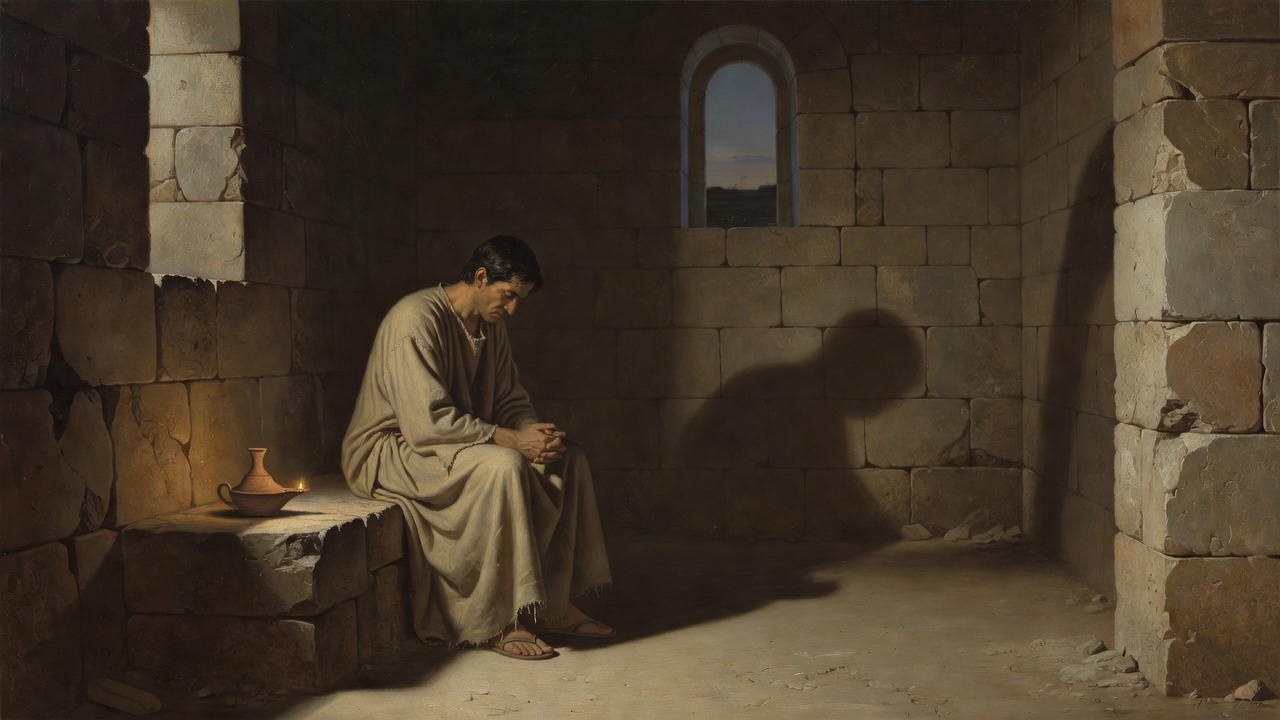
- El salmo ilustra la brevedad de la existencia al describir la vida humana como apenas unos palmos—una medida antigua basada en el ancho de la mano—y como un soplo pasajero o una sombra.Fuentes: el propio texto bíblico
- El orador se identifica como un forastero y peregrino que habita junto a Dios, reflejando una postura de total dependencia de la misericordia y la hospitalidad divinas.Fuentes: el propio texto bíblico
Notas escritas con ayuda de IA a partir de fuentes abiertas (Theographic Bible Metadata, CC BY-SA 4.0; Easton’s Bible Dictionary, dominio público) y revisadas antes de publicarse.
Créditos y licencia de esta traducción
Open English Bible (U. S. spelling)
The Holy Bible, Open English Bible translation, U. S. spelling edition
Public Domain
Language: English
Translation by: OpenEnglishBible.org
Please see OpenEnglishBible.org/ for information about this translation.
2026-10-02
Fuente: http://ebible.org/engoebus/ · eBible.org