Proverbios 17
George Noyes Bible · Toca un versículo para ver sus referencias cruzadas.
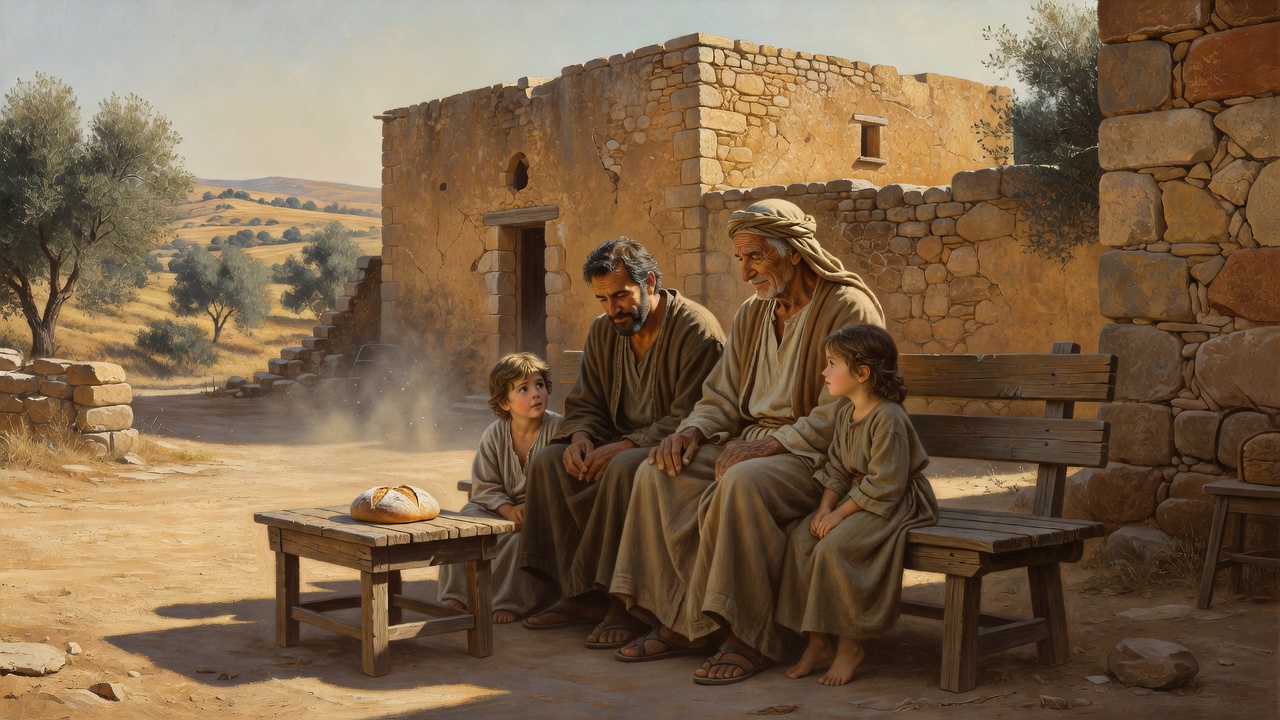
Better a Dry Morsel in Quietness
1Better is a dry morsel, and quietness therewith, Than a house full of flesh-banquets with strife. 2A prudent servant shall rule over a son who causeth shame; Yea, with brothers he shall share the inheritance. 3The refining-pot is for silver, and the furnace for gold; But the LORD trieth hearts. 4An evil-doer listeneth to mischievous lips; And a liar giveth ear to a destructive tongue. 5Whoso mocketh the poor reproacheth his Maker; He that is glad at calamities shall not go unpunished. 6Children's children are the crown of the aged, And their fathers the glory of sons. 7Excellent speech becometh not the base; How much less lying lips the noble! 8A gift is a precious stone in the eyes of him who taketh it; Whithersoever it turneth it hath success. 9He who covereth an offence seeketh love; But he who recurreth to a matter removeth a friend. 10A reproof will penetrate deeper into a wise man Than a hundred stripes into a fool. 11An evil man seeketh only rebellion; Therefore shall a cruel messenger be sent against him. 12Let a man meet a bear robbed of her whelps, Rather than a fool in his folly. 13Whoso returneth evil for good, Evil shall not depart from his house. 14The beginning of strife is as when one letteth out water; Therefore leave off contention before it rolleth onward. 15He that justifieth the wicked, And he that condemneth the just, Both alike are an abomination to the LORD. 16Why should a price be in the hand of a fool To get wisdom, seeing he hath no sense? 17A friend loveth at all times; But in adversity he is born a brother. 18A man who lacketh understanding striketh hands, And becometh surety in the presence of his friend. 19He who loveth strife loveth transgression; He who raiseth high his gate seeketh ruin. 20He that is of a deceitful heart shall find no good; And he that turneth about with his tongue shall fall into mischief. 21Whoso begetteth a fool doeth it to his sorrow; Yea, the father of the fool hath no joy. 22A merry heart doeth good to the body; But a broken spirit drieth up the bones. 23The wicked man taketh a gift out of the bosom, To pervert the ways of judgment. 24Wisdom is before the face of him that hath understanding; But the eyes of a fool are in the ends of the earth. 25A foolish son is a grief to his father, And bitterness to her that bore him. 26Moreover, to punish the righteous is not good, Nor to smite the noble for their equity. 27He that spareth his words is imbued with knowledge; And he that is of a cool spirit is a man of understanding. 28Even a fool, when he is silent, is accounted wise; He that shutteth his lips is a man of understanding.
¿Sabías que…?
Sabiduría para las relaciones, el habla y el corazón
- Las antiguas técnicas metalúrgicas utilizaban crisoles para la plata y hornos de alta temperatura para el oro con el fin de separar el metal precioso de la escoria. El proverbio recurre a este proceso de refinación para ilustrar cómo el Señor examina y prueba los motivos más profundos del corazón humano.Fuentes: el propio texto bíblico
- La imagen de iniciar una contienda como la ruptura de una presa evoca los antiguos diques de irrigación y contención de agua. Una pequeña grieta en un terraplén de tierra se ensancha con rapidez hasta convertirse en una corriente incontrolable, lo que ilustra por qué los conflictos deben detenerse antes de desbordarse.Fuentes: el propio texto bíblico
- En la literatura sapiencial bíblica, la moderación al hablar y el mantenimiento de un espíritu sereno son rasgos fundamentales del entendimiento. Proverbios señala que el silencio está tan ligado a la prudencia que incluso el necio que guarda silencio puede ser tenido por sabio.Fuentes: el propio texto bíblico
Notas escritas con ayuda de IA a partir de fuentes abiertas (Theographic Bible Metadata, CC BY-SA 4.0; Easton’s Bible Dictionary, dominio público) y revisadas antes de publicarse.
Créditos y licencia de esta traducción
George Noyes Bible
The Holy Bible, translated into English by George Noyes (1869)
Public Domain
Language: English
Dialect: archaic British
Translation by: George Noyes
2019-10-24
Títulos de sección adaptados de la Berean Standard Bible (dominio público); no forman parte del texto bíblico de esta traducción.
Fuente: http://ebible.org/engnoy/ · eBible.org