Oseas 6
George Noyes Bible · Toca un versículo para ver sus referencias cruzadas.
The Unrepentance of Israel and Judah
1“Come, and let us return to Jehovah! For he hath torn, and he will heal us; He hath smitten, and he will bind us up. 2After two days will he revive us, On the third day he will raise us up, And we shall live in his presence, 3Let us, therefore, know him; Let us ever strive to know Jehovah, His coming forth is sure as the morning; He will come to us like the rain, Like the latter rain which watereth the earth.” 4O Ephraim, what shall I do to thee? O Judah, what shall I do to thee? For your goodness is like the morning cloud, And like the early dew, which vanisheth away. 5Therefore I have hewn them by the prophets, I have slain them by the words of my mouth, And my judgments have gone forth like the light. 6For I desired mercy, and not sacrifice, And the knowledge of God rather than burnt-offerings. 7But they, after the manner of men, have transgressed the covenant; Even therein have they dealt unfaithfully with me. 8Gilead is a city of them that do iniquity; She is full of footsteps of blood. 9As troops of robbers lying in wait for a man, so is the company of priests; They murder in the way to Shechem; Yea, they commit heinous wickedness. 10I have seen a horrible thing in the house of Israel; There Ephraim committeth fornication, Israel is polluted. 11For thee also, O Judah, a harvest is appointed.
¿Sabías que…?
Lealtad pasajera y verdadera devoción
- En Oseas 6:6, el profeta proclama que Dios valora la misericordia y el conocimiento de Dios por encima de los sacrificios rituales de animales y los holocaustos, destacando la fidelidad sincera al pacto sobre las meras formalidades religiosas.Fuentes: el propio texto bíblico
- El texto profético compara la lealtad de Efraín y de Judá con la niebla matutina y el rocío pasajero; Efraín, cuyo nombre proviene del hijo de José y significa doble fertilidad, se utiliza frecuentemente en el libro para designar al reino del norte de Israel.Fuentes: el propio texto bíblico · Ephraim
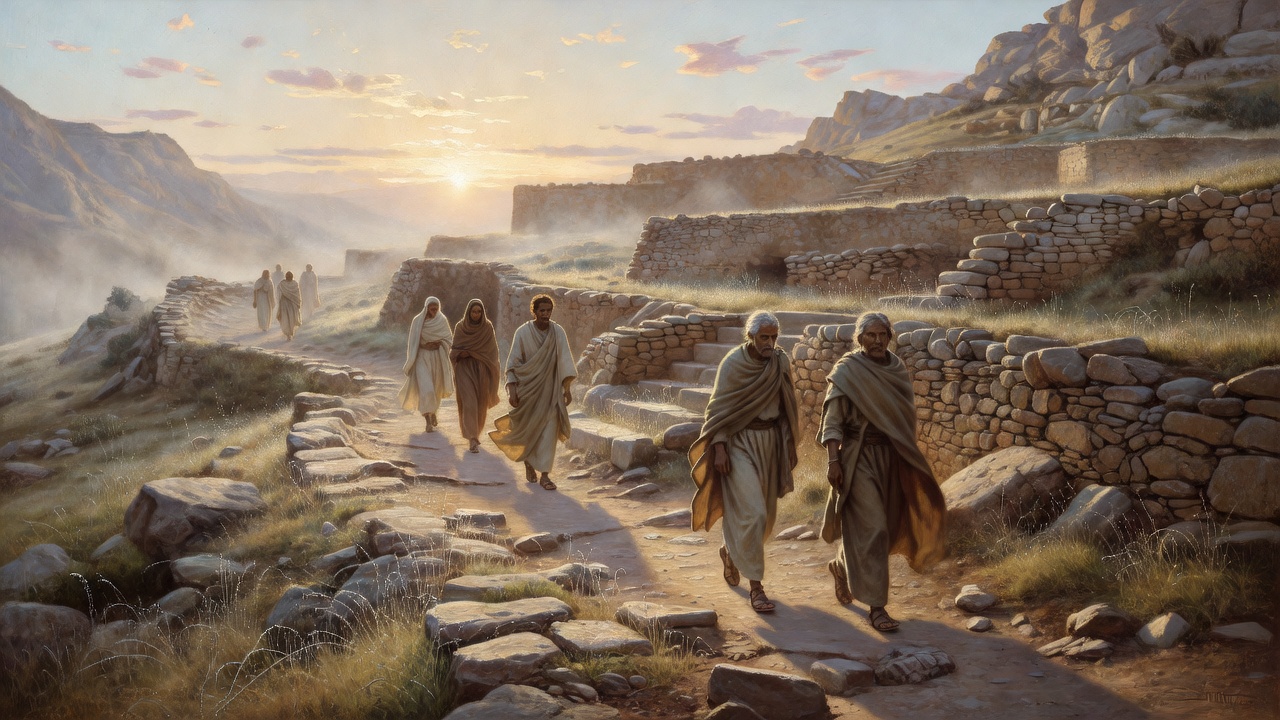
- El capítulo condena la violencia en Galaad, una región montañosa situada al este del río Jordán, y acusa a bandas de sacerdotes corruptos de emboscar a los viajeros en el camino hacia Siquem.Fuentes: el propio texto bíblico · Gilead
Notas escritas con ayuda de IA a partir de fuentes abiertas (Theographic Bible Metadata, CC BY-SA 4.0; Easton’s Bible Dictionary, dominio público) y revisadas antes de publicarse.
Lugares de este capítulo
- Shechem · Hoy: Tell Balatah · 32.214, 35.282 · versículo 9
Solo aparecen lugares identificados con alta confianza (90 % o más según las fuentes académicas reunidas por OpenBible). Mapa de la época: DARE (Digital Atlas of the Roman Empire), CC BY 4.0; mapa actual: © colaboradores de OpenStreetMap; lugares: OpenBible.info (CC BY 4.0).
Créditos y licencia de esta traducción
George Noyes Bible
The Holy Bible, translated into English by George Noyes (1869)
Public Domain
Language: English
Dialect: archaic British
Translation by: George Noyes
2019-10-24
Títulos de sección adaptados de la Berean Standard Bible (dominio público); no forman parte del texto bíblico de esta traducción.
Fuente: http://ebible.org/engnoy/ · eBible.org