Eclesiastés 2
NET Bible · Toca un versículo para ver sus referencias cruzadas.
Futility of Self-Indulgent Pleasure I thought to myself,
“Come now, I will try self-indulgent pleasure to see if it is worthwhile.”
But I found that it also is futile.
2I said of partying, “It is folly,”
and of self-indulgent pleasure, “It accomplishes nothing!”
3I thought deeply about the effects of indulging myself with wine
(all the while my mind was guiding me with wisdom)
and the effects of behaving foolishly,
so that I might discover what is profitable
for people to do on earth during the few days of their lives.
Futility of Materialism
4I increased my possessions:
I built houses for myself;
I planted vineyards for myself.
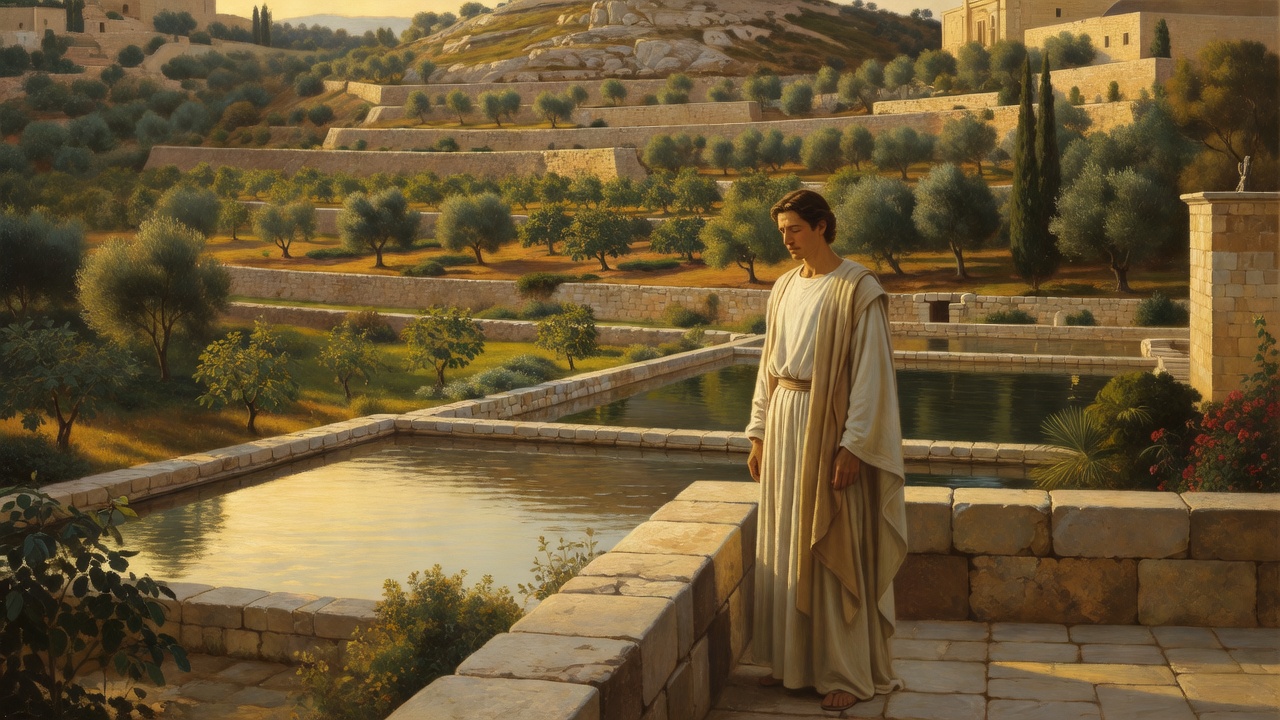
5I designed royal gardens and parks for myself,
and I planted all kinds of fruit trees in them.
6I constructed pools of water for myself,
to irrigate my grove of flourishing trees.
7I purchased male and female slaves,
and I owned slaves who were born in my house;
I also possessed more livestock – both herds and flocks –
than any of my predecessors in Jerusalem.
8I also amassed silver and gold for myself,
as well as valuable treasures taken from kingdoms and provinces.
I acquired male singers and female singers for myself,
and what gives a man sensual delight – a harem of beautiful concubines!
9So I was far wealthier than all my predecessors in Jerusalem,
yet I maintained my objectivity:
10I did not restrain myself from getting whatever I wanted;
I did not deny myself anything that would bring me pleasure.
So all my accomplishments gave me joy;
this was my reward for all my effort.
11Yet when I reflected on everything I had accomplished
and on all the effort that I had expended to accomplish it,
I concluded: “All these achievements and possessions are ultimately profitless –
like chasing the wind!
There is nothing gained from them on earth.”
Wisdom is Better than Folly
12Next, I decided to consider wisdom, as well as foolish behavior and ideas.
For what more can the king’s successor do than what the king has already done?
13I realized that wisdom is preferable to folly,
just as light is preferable to darkness:
14The wise man can see where he is going, but the fool walks in darkness.
Yet I also realized that the same fate happens to them both.
15So I thought to myself, “The fate of the fool will happen even to me!
Then what did I gain by becoming so excessively wise?”
So I lamented to myself,
“The benefits of wisdom are ultimately meaningless!”
16For the wise man, like the fool, will not be remembered for very long,
because in the days to come, both will already have been forgotten.
Alas, the wise man dies – just like the fool!
17So I loathed life because what
happens on earth seems awful to me;
for all the benefits of wisdom are futile – like chasing the wind.
Futility of Being a Workaholic
18So I loathed all the fruit of my effort,
for which I worked so hard on earth,
because I must leave it behind in the hands of my successor.
19Who knows if he will be a wise man or a fool?
Yet he will be master over all the fruit of my labor
for which I worked so wisely on earth!
This also is futile!
20So I began to despair about all the fruit of my labor
for which I worked so hard on earth.
21For a man may do his work with wisdom, knowledge, and skill;
however, he must hand over the fruit of his labor as an inheritance
to someone else who did not work for it.
This also is futile, and an awful injustice!
Painful Days and Restless Nights
22What does a man acquire from all his labor
and from the anxiety that accompanies his toil on earth?
23For all day long his work produces pain and frustration,
and even at night his mind cannot relax!
This also is futile!
Enjoy Work and its Benefits
24There is nothing better for people than to eat and drink,
and to find enjoyment in their work.
I also perceived that this ability to find enjoyment comes from God.
25For no one can eat and drink
or experience joy apart from him.
26For to the one who pleases him, God gives wisdom, knowledge, and joy,
but to the sinner, he gives the task of amassing wealth –
only to give it to the one who pleases God.
This task of the wicked is futile – like chasing the wind!
¿Sabías que…?
La Búsqueda del Placer y del Sentido
- El narrador de Eclesiastés pone a prueba el valor de la riqueza emprendiendo grandes construcciones, plantando viñas y huertos, creando estanques y acumulando oro, plata y siervos, superando a todos los que gobernaron en Jerusalén antes de él.Fuentes: el propio texto bíblico · Jerusalem
- Aunque reconoce que la sabiduría supera a la insensatez como la luz a las tinieblas, el autor observa que tanto el sabio como el necio enfrentan en última instancia el mismo destino: la muerte y el olvido.Fuentes: el propio texto bíblico
- A pesar de lamentar la inutilidad de dejar el fruto del esfuerzo a un sucesor incierto, el capítulo concluye que comer, beber y disfrutar del trabajo cotidiano es un don que proviene de la mano de Dios.Fuentes: el propio texto bíblico
Notas escritas con ayuda de IA a partir de fuentes abiertas (Theographic Bible Metadata, CC BY-SA 4.0; Easton’s Bible Dictionary, dominio público) y revisadas antes de publicarse.
Lugares de este capítulo
Solo aparecen lugares identificados con alta confianza (90 % o más según las fuentes académicas reunidas por OpenBible). Mapa de la época: DARE (Digital Atlas of the Roman Empire), CC BY 4.0; mapa actual: © colaboradores de OpenStreetMap; lugares: OpenBible.info (CC BY 4.0).
Créditos y licencia de esta traducción
NET Bible
NET Bible®, New English Translation (NET)
copyright © 1996-2016 Biblical Studies Press, L. L. C.
Please see https://netbible.com/copyright/ for full NET Bible copyright and permissions information. You can also read the NET Bible at http://NETBible.org .
Language: English
Dialect (if applicable): American
Language in English: English
Translation by:
Please see https://netbible.com/copyright/ for full NET Bible copyright and permissions information. You can also read the NET Bible at http://NETBible.org .
The NET Bible (New English Translation) is a completely new translation of the Bible with 58,506 translators’ notes ! It was completed by more than 25 scholars – experts in the original biblical languages – who worked directly from the best currently available Hebrew, Aramaic, and Greek texts. Turn the pages and see the breadth of the translators’ notes, documenting their decisions and choices as they worked.
The translators’ notes make the original languages far more accessible, allowing you to look over the translator’s shoulder at the very process of translation. This level of documentation is a first for a Bible translation, making transparent the textual basis and the rationale for key renderings (including major interpretive options and alternative translations).
This unparalleled level of detail helps connect people to the Bible in the original languages in a way never before possible without years of study of Hebrew, Aramaic, and Greek. It unlocks the riches of the Bible’s truth from entirely new perspectives.
A donation is appreciated. Donate at Bible.org/donations_form so we can continue to provide our material for free for our 16,000+ articles on Bible.org and our world class Bible Study tool at lumina.bible.org .
2026-10-02
Fuente: http://ebible.org/engnet/ · eBible.org