Isaías 47
Updated Brenton English Septuagint · Toca un versículo para ver sus referencias cruzadas.
The Humiliation of Babylon
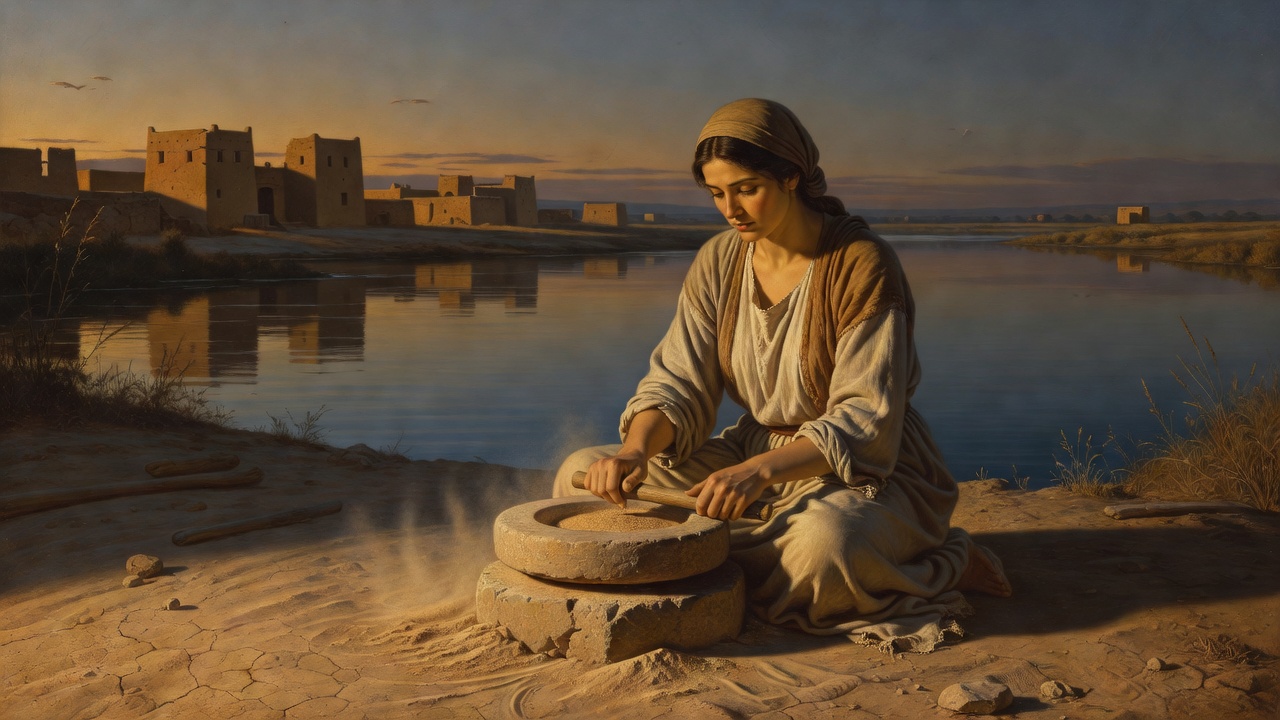
1Come down, sit on the ground, O virgin daughter of Babylon: sit on the ground, O daughter of the Chaldeans: for thou shalt no more be called tender and luxurious. 2Take a millstone, grind meal: remove thy veil, uncover thy white hairs, make bare the leg, pass through the rivers. 3Thy shame shall be uncovered, thy reproaches shall be brought to light: I will exact of thee due vengeance, I will no longer deliver thee to men.
4Thy deliverer is the Lord of hosts, the Holy One of Israel is his name.
5Sit thou down pierced with woe, go into darkness, O daughter of the Chaldeans: thou shalt no more be called the strength of a kingdom. 6I have been provoked with my people; thou hast defiled mine inheritance: I gave them into thy hand, but thou didst not extend mercy to them: thou madest the yoke of the aged man very heavy, 7and saidst, I shall be a princess forever: thou didst not perceive these things in thy heart, nor didst thou remember the latter end.
8But now hear these words, thou luxurious one, who art the one that sits at ease, that is secure, that says in her heart, I am, and there is not another; I shall not sit a widow, neither shall I know bereavement. 9But now these two things shall come upon thee suddenly in one day, the loss of children and widowhood shall come suddenly upon thee, for thy sorcery, for the strength of thine enchantments, 10for thy trusting in wickedness: for thou saidst, I am, and there is not another: know thou, the understanding of these things and thy harlotry shall be thy shame; for thou saidst in thy heart, I am, and there is not another.
11And destruction shall come upon thee, and thou shalt not be aware; there shall be a pit, and thou shalt fall into it: and grief shall come upon thee, and thou shalt not be able to be clear; and destruction shall come suddenly upon thee, and thou shalt not know. 12Stand now with thine enchantments, and with the abundance of thy sorcery, which thou hast learned from thy youth; if thou canst be profited. 13Thou art wearied in thy counsels. Let now the astrologers of the heaven stand and deliver thee, let them that see the stars tell thee what is about to come upon thee. 14Behold, they all shall be burned up as sticks in the fire; neither shall they at all deliver their life from the flame. Because thou hast coals of fire, sit thou upon them; 15these shall be thy help. Thou hast wearied thyself with traffic from thy youth: every man has wandered to his own home, but thou shalt have no deliverance.
¿Sabías que…?
La caída de Babilonia
- Babilonia es personificada como una reina consentida e hija noble que es humillada súbitamente. En lugar de sentarse segura en un trono de lujo, se le ordena sentarse en el polvo y realizar el trabajo servil de moler harina con piedras de molino.Fuentes: el propio texto bíblico
- El capítulo resalta la dependencia de Babilonia de las prácticas ocultas y la observación de las estrellas. El profeta desafía a los astrólogos, hechiceros y pronosticadores mensuales de la ciudad a presentarse, declarando que sus artes arderán como rastrojo y no podrán evitar la ruina repentina.Fuentes: el propio texto bíblico
- Babilonia, situada a orillas del río Éufrates en Caldea, había recibido autoridad para dominar al pueblo de Dios como instrumento de juicio. Sin embargo, el texto reprende al imperio por no mostrar misericordia, señalando que impuso yugos pesados incluso sobre los ancianos.Fuentes: Babylon · el propio texto bíblico
Notas escritas con ayuda de IA a partir de fuentes abiertas (Theographic Bible Metadata, CC BY-SA 4.0; Easton’s Bible Dictionary, dominio público) y revisadas antes de publicarse.
Lugares de este capítulo
Solo aparecen lugares identificados con alta confianza (90 % o más según las fuentes académicas reunidas por OpenBible). Mapa de la época: DARE (Digital Atlas of the Roman Empire), CC BY 4.0; mapa actual: © colaboradores de OpenStreetMap; lugares: OpenBible.info (CC BY 4.0).
Créditos y licencia de esta traducción
Updated Brenton English Septuagint
Spelling and formatting update of the Brenton English Septuagint with Apocrypha
Public Domain
Language: English
Dialect: Mixed
Translation by: Sir Lancelot C. L. Brenton
Contributor: Adam Boyd
Original work was by Sir Lancelot C. L. Brenton in 1851.
CC0 Public Domain dedication on language updates by Adam Boyd in 2020.
2026-02-18
Títulos de sección adaptados de la Berean Standard Bible (dominio público); no forman parte del texto bíblico de esta traducción.
Fuente: http://ebible.org/englxxup/ · eBible.org