Salmos 32
Isaac Leeser Tanakh · Toca un versículo para ver sus referencias cruzadas.
The Joy of Forgiveness
1“Of David: a Maskil.” Happy is he whose transgression is forgiven, whose sin is covered. 2Happy is the man unto whom the Lord imputeth not iniquity, and in whose spirit there is no guile. 3When I kept silence, my bones wasted away through my crying all the day. 4For by day and night lay thy hand heavily upon me: my [life's] moisture hath been changed through the droughts of summer. Selah. 5My sin do I ever acknowledge unto thee, and my iniquity have I not covered up. I said, I will make confession because of my transgressions unto the Lord: and thou truly forgavest the iniquity of my sin. Selah. 6For this shall every pious one pray unto thee in a time when thou mayest be found: surely [then] when great waters overflow, they shall never reach unto him. 7Thou art my hiding-place; from distress wilt thou preserve me; with songs of deliverance wilt thou encompass me. Selah. 8I will instruct thee and I will teach thee concerning the way which thou oughtest to go: I will counsel thee with my eye. 9Be ye not like the horse, or like the mule, who hath no understanding; who must be held in with bit and bridle, his ornament, lest he come near unto thee. 10Many are the pains of the wicked; but him that trusteth in the Lord will he encompass with kindness. 11Rejoice in the Lord, and be glad, ye righteous: and shout for joy, all ye that are upright in heart.
¿Sabías que…?
El Gozo del Perdón y la Guía
- El salmo comienza con un título que lo identifica como un Masquil de David, término tradicionalmente asociado a un poema instructivo o de reflexión, que aborda el contraste entre la angustia del pecado oculto y la bendición del perdón.Fuentes: el propio texto bíblico
- El término hebreo Selah aparece tres veces en este salmo (versículos 4, 5 y 7), interpretado comúnmente como una pausa musical o un momento de meditación durante la recitación del texto.Fuentes: el propio texto bíblico
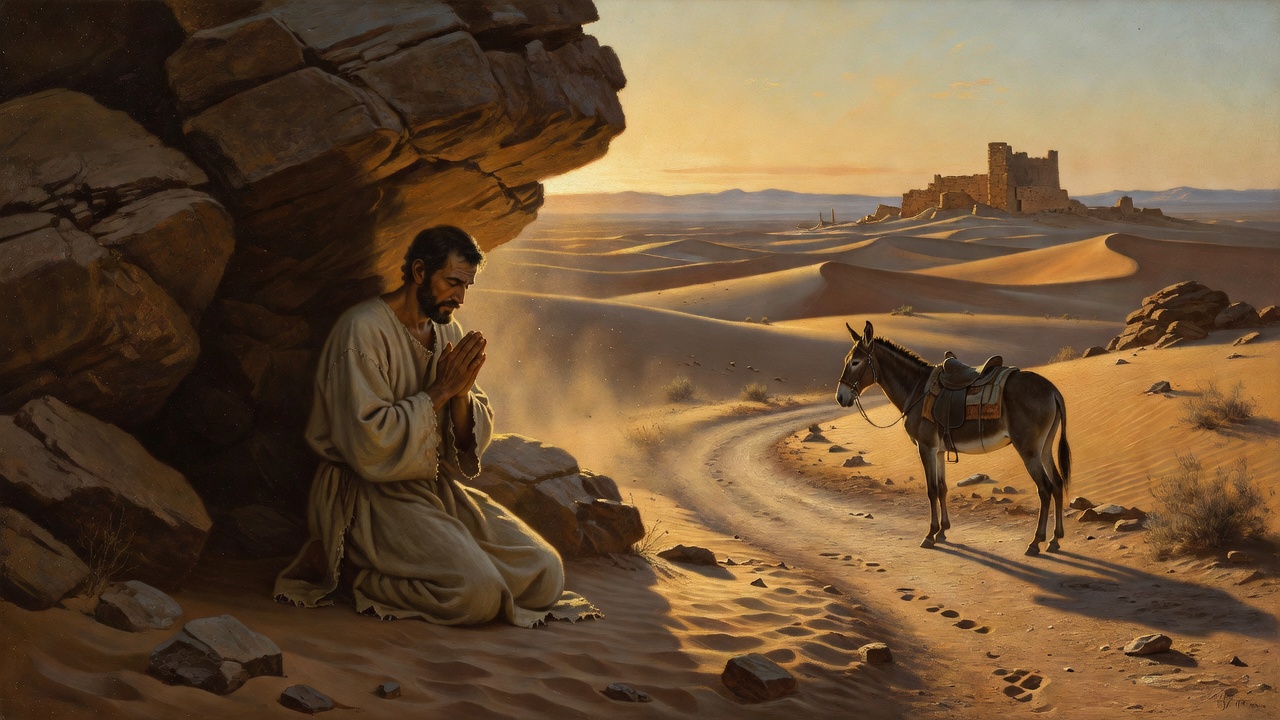
- El salmo recurre a la imagen de animales de trabajo, contrastando a quien sigue voluntariamente el consejo divino con caballos o mulos tercos que necesitan freno y brida para ser dirigidos.Fuentes: el propio texto bíblico
Notas escritas con ayuda de IA a partir de fuentes abiertas (Theographic Bible Metadata, CC BY-SA 4.0; Easton’s Bible Dictionary, dominio público) y revisadas antes de publicarse.
Créditos y licencia de esta traducción
Isaac Leeser Tanakh
The Isaac Leeser Tanakh (Jewish Bible)
Public Domain
Language: English
Dialect: archaic British
Translation by: Isaac Leeser
2020-10-14
Títulos de sección adaptados de la Berean Standard Bible (dominio público); no forman parte del texto bíblico de esta traducción.
Fuente: http://ebible.org/englee/ · eBible.org