Eclesiastés 6
JPS TaNaKH 1917 · Toca un versículo para ver sus referencias cruzadas.
The Futility of Life
1There is an evil which I have seen under the sun, and it is heavy upon men: 2a man to whom God giveth riches, wealth, and honour, so that he wanteth nothing for his soul of all that he desireth, yet God giveth him not power to eat thereof, but a stranger eateth it; this is vanity, and it is an evil disease. 3If a man beget a hundred children, and live many years, so that the days of his years are many, but his soul have not enough of good, and moreover he have no burial; I say, that an untimely birth is better than he; 4for it cometh in vanity, and departeth in darkness, and the name thereof is covered with darkness; 5moreover it hath not seen the sun nor known it; this hath gratification rather than the other; 6yea, though he live a thousand years twice told, and enjoy no good; do not all go to one place? 7All the labour of man is for his mouth, and yet the appetite is not filled. 8For what advantage hath the wise more than the fool? or the poor man that hath understanding, in walking before the living? 9Better is the seeing of the eyes than the wandering of the desire; this also is vanity and a striving after wind. 10Whatsoever cometh into being, the name thereof was given long ago, and it is foreknown what man is; neither can he contend with Him that is mightier than he. 11Seeing there are many words that increase vanity, what is man the better? 12For who knoweth what is good for man in his life, all the days of his vain life which he spendeth as a shadow? for who can tell a man what shall be after him under the sun?
¿Sabías que…?
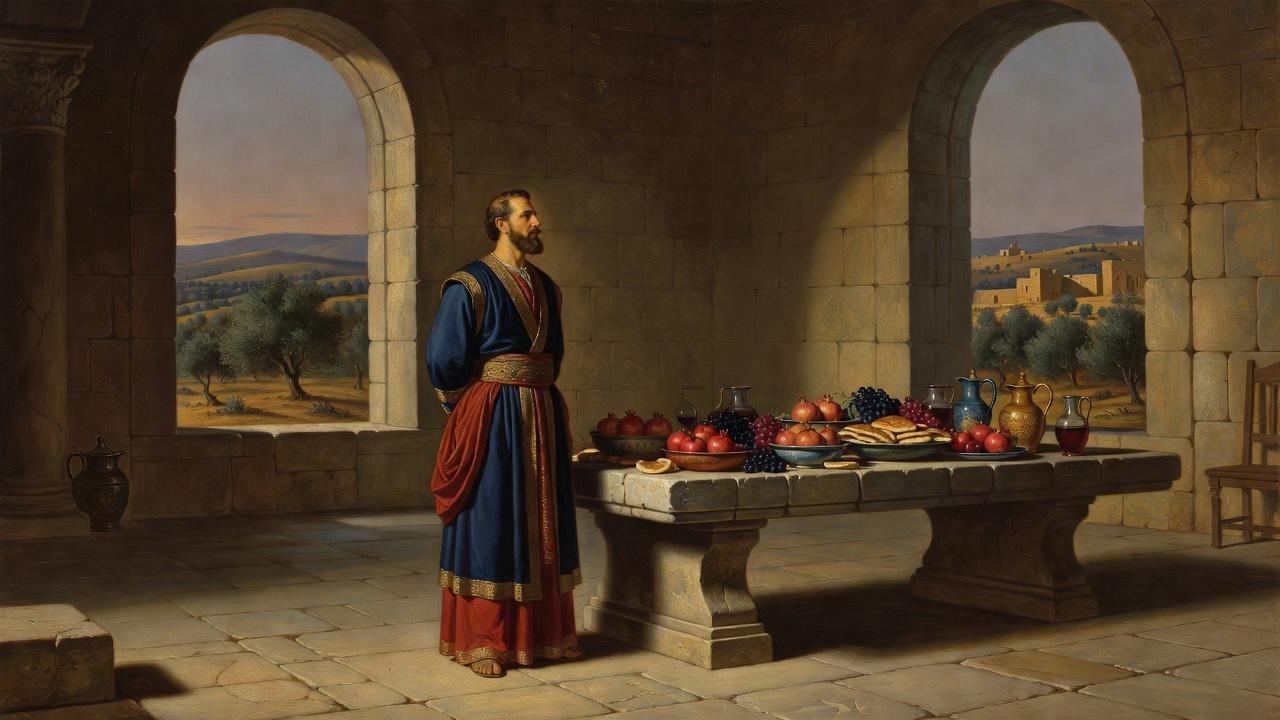
La Vanidad de la Riqueza Insatisfecha
- En el pensamiento antiguo, gozar de una larga vida y engendrar muchos hijos se consideraban las mayores señales de bendición. Sin embargo, Eclesiastés observa que incluso vivir dos mil años y tener cien hijos carece de sentido si la persona no puede disfrutar de su prosperidad ni recibir una sepultura digna.Fuentes: el propio texto bíblico
- El autor señala que, aunque el trabajo humano se destina a satisfacer necesidades físicas básicas como la comida, el apetito y los deseos nunca quedan del todo satisfechos. Él contrasta el valorar lo que está presente ante los ojos con la persecución incesante de anhelos errantes.Fuentes: el propio texto bíblico
- El capítulo resalta los límites humanos, señalando que los mortales no pueden contender con lo que ha sido dispuesto por alguien más fuerte que ellos. Dado que la vida es efímera como una sombra, el ser humano no puede discernir con certeza qué es lo mejor para sí ni saber qué sucederá después de su muerte.Fuentes: el propio texto bíblico
Notas escritas con ayuda de IA a partir de fuentes abiertas (Theographic Bible Metadata, CC BY-SA 4.0; Easton’s Bible Dictionary, dominio público) y revisadas antes de publicarse.
Créditos y licencia de esta traducción
JPS TaNaKH 1917
The Jewish Bible (Old Testament) in English, published by the Jewish Publication Society in 1917
Public Domain
Language: English
Dialect: American
Translation by: Jewish Publication Society
This copy of the Old JPS TaNaKH by the Jewish Publication Society is brought to you courtesy of eBible.org . For the new JPS TaNaKH (1972, 1978, 1980), please see jps.org .
2023-09-19
Títulos de sección adaptados de la Berean Standard Bible (dominio público); no forman parte del texto bíblico de esta traducción.
Fuente: http://ebible.org/engjps/ · eBible.org