Zacarías 1
Berean Standard Bible · Toca un versículo para ver sus referencias cruzadas.
Acerca de este libro
Acerca de Zacarías
- El Easton's Bible Dictionary (1897) presenta a Zacarías como profeta de Judá, el undécimo de los doce profetas menores y, como Ezequiel, de linaje sacerdotal. Él se llama hijo de Berequías, mientras que Esdras lo llama hijo de Iddo, a quien Easton identifica como su abuelo. Easton fecha el comienzo de su labor profética en el segundo año de Darío, 520 a. C., unos dieciséis años después de que el primer grupo volviera del exilio, y señala que fue contemporáneo de Hageo.Fuentes: Easton: Zechariah · Zechariah
- Zacarías habló a personas que habían vuelto del exilio. Zorobabel, conocido también por el nombre persa Sesbasar, guió al primer grupo que regresó y, en el segundo año después del retorno, construyó un altar y puso los cimientos del templo sobre las ruinas de la casa destruida por Nabucodonosor. Josué, hijo de Josadac, era sumo sacerdote bajo Zorobabel, y Easton dice que las visiones de aquella noche buscaban consolar a estos exiliados que habían regresado y despertar esperanza.Fuentes: Easton: Zechariah · Zerubbabel · Joshua
- Easton divide el libro en dos partes, los capítulos 1-8 y los capítulos 9-14. La primera se abre con un prefacio que recuerda el pasado de la nación como advertencia solemne, luego ocho visiones en una sola noche y la coronación simbólica de Josué; los capítulos 7 y 8, dados dos años después, responden si el luto por la destrucción de la ciudad debía continuar y animan al pueblo con la certeza de la presencia y la bendición de Dios. La segunda parte no tiene fecha. Easton cree que un intervalo considerable la separa de la primera y describe sus dos cargas como los tratos de Dios hasta el Advenimiento y como gloria, conflicto final y triunfo en lo que él llama el día postrero.Fuentes: Easton: Zechariah
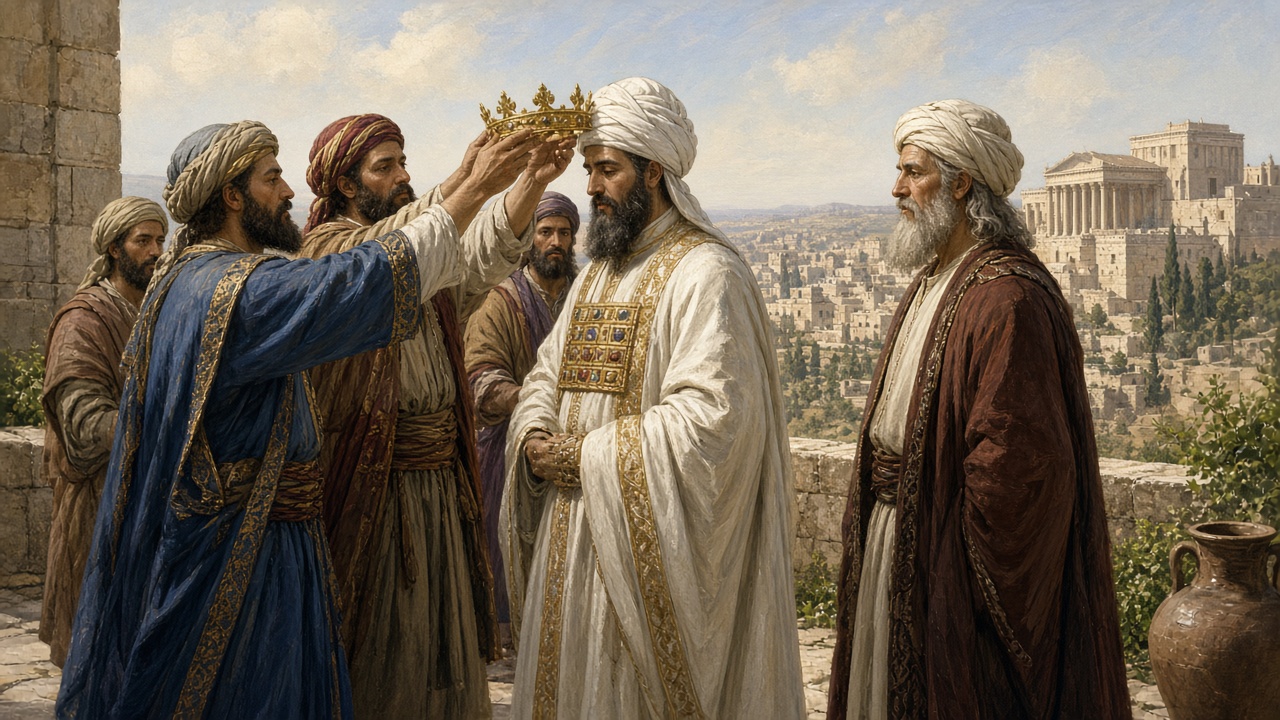
- Easton explica que el nombre Zacarías significa que Jehová es renombrado o recordado. Una escena notable es la coronación simbólica de Josué; Easton la lee como la muestra de cómo los reinos del mundo llegan a ser el reino del Cristo de Dios. Helem, nombrado en Zacarías 6:10, se identifica como alguien que volvió de Babilonia.Fuentes: Easton: Zechariah · Helem · Joshua
Notas escritas con ayuda de IA a partir de fuentes abiertas (Theographic Bible Metadata, CC BY-SA 4.0; Easton’s Bible Dictionary, dominio público) y revisadas antes de publicarse.
A Call to Repentance
1In the eighth month of the second year of Darius, the word of the LORD came to the prophet Zechariah son of Berechiah, the son of Iddo, saying:
2“The LORD was very angry with your fathers. 3So tell the people that this is what the LORD of Hosts says: ‘Return to Me, declares the LORD of Hosts, and I will return to you, says the LORD of Hosts.’
4Do not be like your fathers, to whom the former prophets proclaimed that this is what the LORD of Hosts says: ‘Turn now from your evil ways and deeds.’
But they did not listen or pay attention to Me, declares the LORD.
5Where are your fathers now? And the prophets, do they live forever? 6But did not My words and My statutes, which I commanded My servants the prophets, overtake your fathers? They repented and said, ‘Just as the LORD of Hosts purposed to do to us according to our ways and deeds, so He has done to us.’”
The Vision of the Horses
7On the twenty-fourth day of the eleventh month, the month of Shebat, in the second year of Darius, the word of the LORD came to the prophet Zechariah son of Berechiah, the son of Iddo.
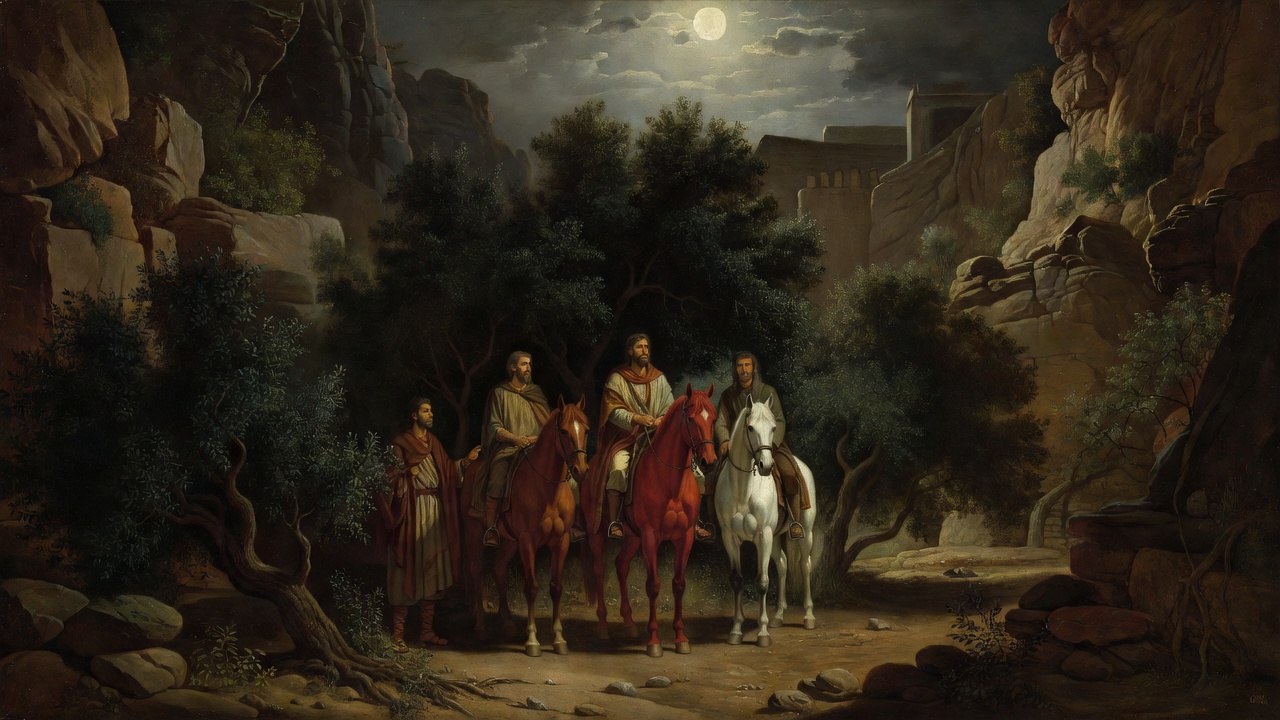
8I looked out into the night and saw a man riding on a red horse. He was standing among the myrtle trees in the hollow, and behind him were red, sorrel, and white horses.
9“What are these, my lord?” I asked.
And the angel who was speaking with me replied, “I will show you what they are.”
10Then the man standing among the myrtle trees explained, “They are the ones the LORD has sent to patrol the earth.”
11And the riders answered the angel of the LORD who was standing among the myrtle trees, “We have patrolled the earth, and behold, all the earth is at rest and tranquil.”
12Then the angel of the LORD said, “How long, O LORD of Hosts, will You withhold mercy from Jerusalem and the cities of Judah, with which You have been angry these seventy years?”
13So the LORD spoke kind and comforting words to the angel who was speaking with me.
14Then the angel who was speaking with me said, “Proclaim this word: This is what the LORD of Hosts says: ‘I am very jealous for Jerusalem and Zion, 15but I am fiercely angry with the nations that are at ease. For I was a little angry, but they have added to the calamity.’
16Therefore this is what the LORD says: ‘I will return to Jerusalem with mercy, and there My house will be rebuilt, declares the LORD of Hosts, and a measuring line will be stretched out over Jerusalem.’
17Proclaim further that this is what the LORD of Hosts says: ‘My cities will again overflow with prosperity; the LORD will again comfort Zion and choose Jerusalem.’”
The Vision of the Horns and the Craftsmen
18Then I looked up and saw four horns. 19So I asked the angel who was speaking with me, “What are these?”
And he told me, “These are the horns that have scattered Judah, Israel, and Jerusalem.”
20Then the LORD showed me four craftsmen.
21“What are these coming to do?” I asked.
And He replied, “These are the horns that scattered Judah so that no one could raise his head; but the craftsmen have come to terrify them and throw down these horns of the nations that have lifted up their horns against the land of Judah to scatter it.”
¿Sabías que…?
El llamado de Zacarías al arrepentimiento y las visiones nocturnas
- El ministerio profético de Zacarías comenzó en el segundo año del rey Darío (520 a.C.), unos dieciséis años después del regreso del primer grupo de exiliados. Aunque se le describe como hijo de Berequías, los relatos bíblicos también lo asocian con su abuelo Iddo, lo que señala su linaje sacerdotal.Fuentes: Zechariah · el propio texto bíblico
- En su visión nocturna entre los mirtos, un ángel pregunta por los setenta años de indignación sobre Jerusalén y Judá. El SEÑOR responde con palabras de consuelo, prometiendo que su compasión regresará, el templo será reconstruido y Jerusalén volverá a ser elegida.Fuentes: Jerusalem · el propio texto bíblico
- El capítulo concluye con una visión de cuatro cuernos que dispersaron a Judá, Israel y Jerusalén, seguidos de cuatro artesanos enviados para aterrorizar y derribar a esas potencias extranjeras hostiles.Fuentes: el propio texto bíblico
Notas escritas con ayuda de IA a partir de fuentes abiertas (Theographic Bible Metadata, CC BY-SA 4.0; Easton’s Bible Dictionary, dominio público) y revisadas antes de publicarse.
Lugares de este capítulo
- Jerusalem · 31.777, 35.234 · versículos 12, 14, 16, 17, 19
- Zion · Hoy: Jerusalem · 31.777, 35.234 · versículos 14, 17
Solo aparecen lugares identificados con alta confianza (90 % o más según las fuentes académicas reunidas por OpenBible). Mapa de la época: DARE (Digital Atlas of the Roman Empire), CC BY 4.0; mapa actual: © colaboradores de OpenStreetMap; lugares: OpenBible.info (CC BY 4.0).
Créditos y licencia de esta traducción
Berean Standard Bible
The Holy Bible in English: Berean Standard Bible
Public Domain
Language: English
Contributor: BSB Publishing, LLC
2026-10-02
Fuente: http://ebible.org/engbsb/ · eBible.org