Amós 1
Berean Standard Bible · Toca un versículo para ver sus referencias cruzadas.
Acerca de este libro
Acerca de Amós
- El Diccionario Bíblico de Easton (1897) presenta a Amós, cuyo nombre explica como “llevado” o “una carga”, como uno de los doce profetas menores. Era un hombre de origen humilde, natural de Tecoa, la actual Tekua, a unas doce millas al sureste de Belén, y se describía no como profeta ni hijo de profeta, sino como boyero y cultivador de sicómoros.Fuentes: Easton: Amos · Amos
- Easton sitúa la profecía de Amós en los días de Uzías, rey de Judá, y lo trata como contemporáneo de Isaías y Oseas, que le sobrevivieron algunos años. El mismo diccionario fecha el reinado de Jeroboam II, bajo el cual habló Amós, entre 825 y 784 a. C.Fuentes: Easton: Amos · Jeroboam
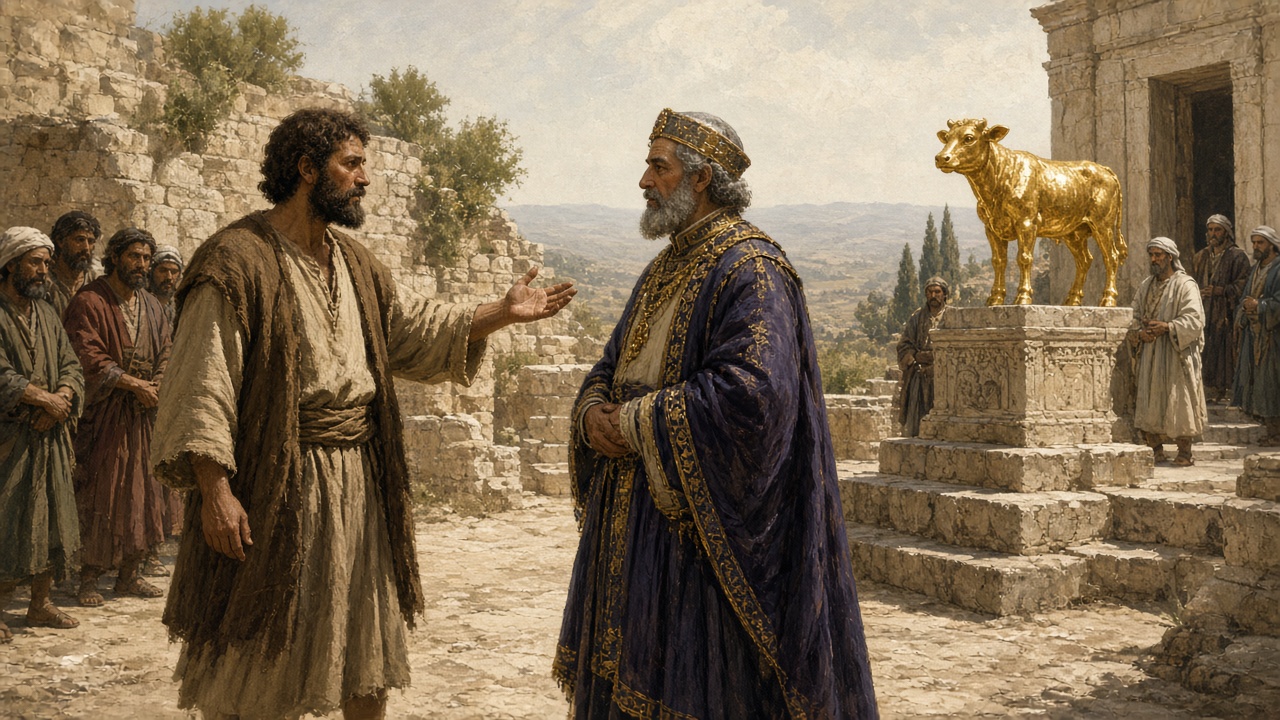
- Easton describe el reinado de Jeroboam II como el más próspero que Israel había conocido hasta entonces: venció a los sirios y extendió el reino desde la entrada de Hamat hasta el mar de la llanura, mientras mantenía el culto de los becerros de oro. Con esa prosperidad, dice Easton, llegaron el lujo, el vicio y la idolatría generalizados, y Amós fue llamado desde la oscuridad para hablar de la justicia retributiva y convocar al pueblo al arrepentimiento.Fuentes: Easton: Amos · Jeroboam
- Easton divide el libro en tres partes: el juicio sobre las naciones vecinas (Amós 1:1–2:3), la condición espiritual de Judá y especialmente de Israel (2:4–6:14) y cinco visiones (7:1–9:10). Incluye una conversación en Betel, a unas diez millas al norte de Jerusalén, entre Amós y Amasías, sacerdote de los becerros de oro, y lee el final como la ruina de Israel seguida de una promesa de restauración y de lo que él llama la gloria final del reino en el reino del Mesías.Fuentes: Easton: Amos · Amaziah · Bethel (of Palestine)
- Easton señala que el estilo de Amós se distingue por las muchas alusiones a la naturaleza y al trabajo agrícola, y que otras expresiones sugieren que conocía la ley tanto como la vida del campo. Entre las frases que Easton considera propias de él están “limpieza de dientes”, en el sentido de falta de pan, “la excelencia de Jacob”, “los lugares altos de Isaac”, “la casa de Isaac” y “el que crea el viento”; un pasaje de Amós se cita en Hechos 7:42.Fuentes: Easton: Amos
Notas escritas con ayuda de IA a partir de fuentes abiertas (Theographic Bible Metadata, CC BY-SA 4.0; Easton’s Bible Dictionary, dominio público) y revisadas antes de publicarse.
Judgment on Israel’s Neighbors
1These are the words of Amos, who was among the sheepherders of Tekoa—what he saw concerning Israel two years before the earthquake, in the days when Uzziah was king of Judah and Jeroboam son of Jehoash was king of Israel. 2He said:
“The LORD roars from Zion
and raises His voice from Jerusalem;
the pastures of the shepherds mourn,
and the summit of Carmel withers.”
3This is what the LORD says:
“For three transgressions of Damascus, even four,
I will not revoke My judgment,
because they threshed Gilead
with sledges of iron.
4So I will send fire upon the house of Hazael
to consume the citadels of Ben-hadad.
5I will break down the gates of Damascus;
I will cut off the ruler of the Valley of Aven
and the one who wields the scepter in Beth-eden.
The people of Aram will be exiled to Kir,”
says the LORD.
6This is what the LORD says:
“For three transgressions of Gaza, even four,
I will not revoke My judgment,
because they exiled a whole population,
delivering them up to Edom.
7So I will send fire upon the walls of Gaza,
to consume its citadels.
8I will cut off the ruler of Ashdod
and the one who wields the scepter in Ashkelon.
I will turn My hand against Ekron,
and the remnant of the Philistines will perish,”
says the Lord GOD.
9This is what the LORD says:
“For three transgressions of Tyre, even four,
I will not revoke My judgment,
because they delivered up a whole congregation of exiles to Edom
and broke a covenant of brotherhood.
10So I will send fire upon the walls of Tyre
to consume its citadels.”
11This is what the LORD says:
“For three transgressions of Edom, even four,
I will not revoke My judgment,
because he pursued his brother with the sword
and stifled all compassion;
his anger raged continually,
and his fury flamed incessantly.
12So I will send fire upon Teman
to consume the citadels of Bozrah.”
13This is what the LORD says:
“For three transgressions of the Ammonites, even four,
I will not revoke My judgment,
because they ripped open the pregnant women of Gilead
in order to enlarge their territory.
14So I will kindle a fire in the walls of Rabbah
to consume its citadels
amid war cries on the day of battle
and a violent wind on the day of tempest.
15Their king will go into exile —
he and his princes together,”
says the LORD.
¿Sabías que…?
Juicio sobre las Naciones Vecinas
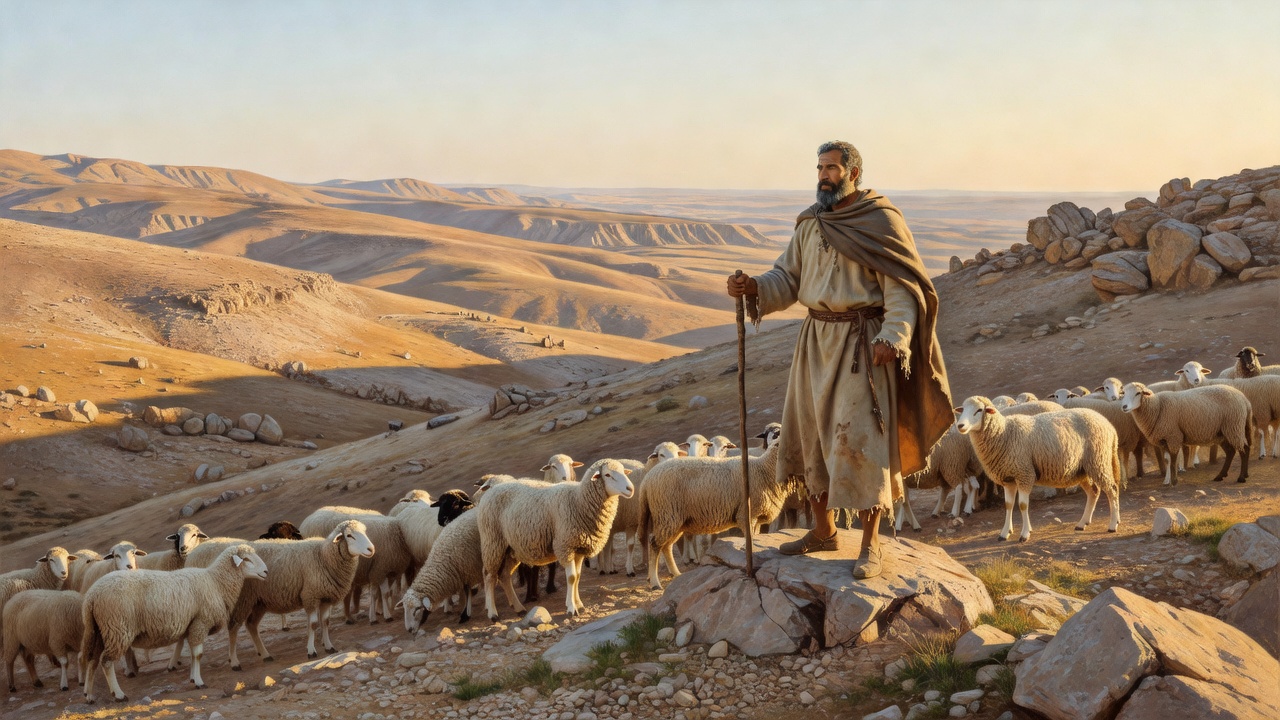
- Amós era un pastor de la ciudad de Tecoa, en Judá, pero su ministerio profético se dirigió al reino del norte, Israel, durante los reinados de Uzías de Judá y de Jeroboam II de Israel, dos años antes de un terremoto notable.Fuentes: el propio texto bíblico · Amos · Uzziah · Jeroboam
- El oráculo inicial contra Damasco señala a la casa de Hazael y a las fortalezas de su hijo Ben-hadad, reyes de Siria que habían invadido y asolado la región de Galaad, al oriente del río Jordán.Fuentes: el propio texto bíblico · Hazael · Ben-hadad · Gilead
- El oráculo contra Edom condena a la nación por perseguir a su hermano con la espada, recordando la conexión ancestral entre Edom e Israel que se remonta a los hermanos gemelos Esaú y Jacob.Fuentes: el propio texto bíblico · Esau (Edom) · Edom
Notas escritas con ayuda de IA a partir de fuentes abiertas (Theographic Bible Metadata, CC BY-SA 4.0; Easton’s Bible Dictionary, dominio público) y revisadas antes de publicarse.
Lugares de este capítulo
- Tekoa · Hoy: Khirbet Teku’a · 31.632, 35.210 · versículo 1
- Jerusalem · 31.777, 35.234 · versículo 2
- Mount Carmel · 32.672, 35.023 · versículo 2
- Zion · Hoy: Jerusalem · 31.777, 35.234 · versículo 2
- Damascus · 33.511, 36.306 · versículos 3, 5
- Gilead · Hoy: Gilead 1 · 32.187, 35.692 · versículos 3, 13
- Beth-eden · 36.701, 38.087 · versículo 5
- Syria · Hoy: Aram · 33.511, 36.306 · versículo 5
- Edom · 30.746, 35.604 · versículos 6, 9, 11
- Gaza · Hoy: Tell Harube · 31.504, 34.464 · versículos 6, 7
- Ashdod · Hoy: Tel Ashdod · 31.757, 34.658 · versículo 8
- Ashkelon · Hoy: Tel Ashkelon · 31.664, 34.546 · versículo 8
- Ekron · Hoy: Tel Miqne · 31.777, 34.852 · versículo 8
- Tyre · 33.271, 35.196 · versículos 9, 10
- Ammon · 31.955, 35.934 · versículos 13, 15
- Rabbah · Hoy: Amman · 31.955, 35.934 · versículo 14
Solo aparecen lugares identificados con alta confianza (90 % o más según las fuentes académicas reunidas por OpenBible). Mapa de la época: DARE (Digital Atlas of the Roman Empire), CC BY 4.0; mapa actual: © colaboradores de OpenStreetMap; lugares: OpenBible.info (CC BY 4.0).
Créditos y licencia de esta traducción
Berean Standard Bible
The Holy Bible in English: Berean Standard Bible
Public Domain
Language: English
Contributor: BSB Publishing, LLC
2026-10-02
Fuente: http://ebible.org/engbsb/ · eBible.org