Oseas 6
American Standard Version Byzantine Text · Toca un versículo para ver sus referencias cruzadas.
The Unrepentance of Israel and Judah
1Come, and let us return unto Jehovah; for he hath torn, and he will heal us; he hath smitten, and he will bind us up. 2After two days will he revive us: on the third day he will raise us up, and we shall live before him. 3And let us know, let us follow on to know Jehovah: his going forth is sure as the morning; and he will come unto us as the rain, as the latter rain that watereth the earth.
4O Ephraim, what shall I do unto thee? O Judah, what shall I do unto thee? for your goodness is as a morning cloud, and as the dew that goeth early away. 5Therefore have I hewed them by the prophets; I have slain them by the words of my mouth: and thy judgments are as the light that goeth forth. 6For I desire goodness, and not sacrifice; and the knowledge of God more than burnt offerings. 7But they like Adam have transgressed the covenant: there have they dealt treacherously against me. 8Gilead is a city of them that work iniquity; it is stained with blood. 9And as troops of robbers wait for a man, so the company of priests murder in the way toward Shechem; yea, they have committed lewdness. 10In the house of Israel I have seen a horrible thing: there whoredom is found in Ephraim, Israel is defiled. 11Also, O Judah, there is a harvest appointed for thee, when I bring back the captivity of my people.
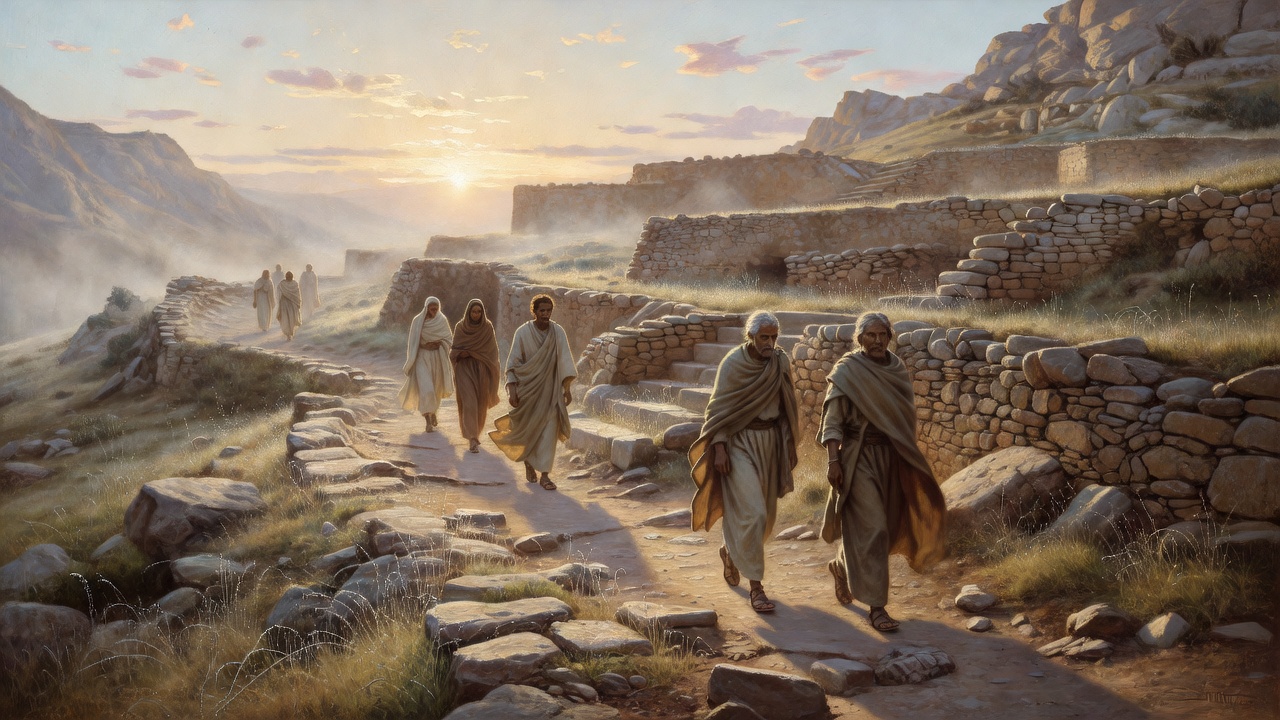
¿Sabías que…?
Lealtad pasajera y verdadera devoción
- En Oseas 6:6, el profeta proclama que Dios valora la misericordia y el conocimiento de Dios por encima de los sacrificios rituales de animales y los holocaustos, destacando la fidelidad sincera al pacto sobre las meras formalidades religiosas.Fuentes: el propio texto bíblico
- El texto profético compara la lealtad de Efraín y de Judá con la niebla matutina y el rocío pasajero; Efraín, cuyo nombre proviene del hijo de José y significa doble fertilidad, se utiliza frecuentemente en el libro para designar al reino del norte de Israel.Fuentes: el propio texto bíblico · Ephraim
- El capítulo condena la violencia en Galaad, una región montañosa situada al este del río Jordán, y acusa a bandas de sacerdotes corruptos de emboscar a los viajeros en el camino hacia Siquem.Fuentes: el propio texto bíblico · Gilead
Notas escritas con ayuda de IA a partir de fuentes abiertas (Theographic Bible Metadata, CC BY-SA 4.0; Easton’s Bible Dictionary, dominio público) y revisadas antes de publicarse.
Lugares de este capítulo
- Shechem · Hoy: Tell Balatah · 32.214, 35.282 · versículo 9
Solo aparecen lugares identificados con alta confianza (90 % o más según las fuentes académicas reunidas por OpenBible). Mapa de la época: DARE (Digital Atlas of the Roman Empire), CC BY 4.0; mapa actual: © colaboradores de OpenStreetMap; lugares: OpenBible.info (CC BY 4.0).
Créditos y licencia de esta traducción
American Standard Version Byzantine Text
The Holy Bible with Apocrypha, American Standard Version conformed to the Byzantine Text New Testament
Public Domain
Language: English
Dialect: Archaic American
Changes to the ASV dedicated to the Public Domain by Adam Boyd in 2021. The ASV itself is in the Public Domain due to copyright expiration.
2026-10-02
Títulos de sección adaptados de la Berean Standard Bible (dominio público); no forman parte del texto bíblico de esta traducción.
Fuente: http://ebible.org/engasvbt/ · eBible.org