Génesis 36
Anindilyakwa English Bible · Toca un versículo para ver sus referencias cruzadas.
About Esau's descendants
1These are the names of Esau's descendants. He had two names, Esau and Edom. 2Esau married Canaanite women. One wife was Adah, the daughter of Elon the Hittite. Another wife was Oholibamah, the daughter of Anah and the granddaughter of Zibeon the Hivite. 3Another wife was Basemath. She was Ishmael's daughter and the sister of Nebaioth.
4Adah and Esau had one son Eliphaz. Basemath and Esau had one son Reuel. 5Oholibamah and Esau had three sons called Jeush, Jalam and Korah. These sons of Esau's were born in Canaan.
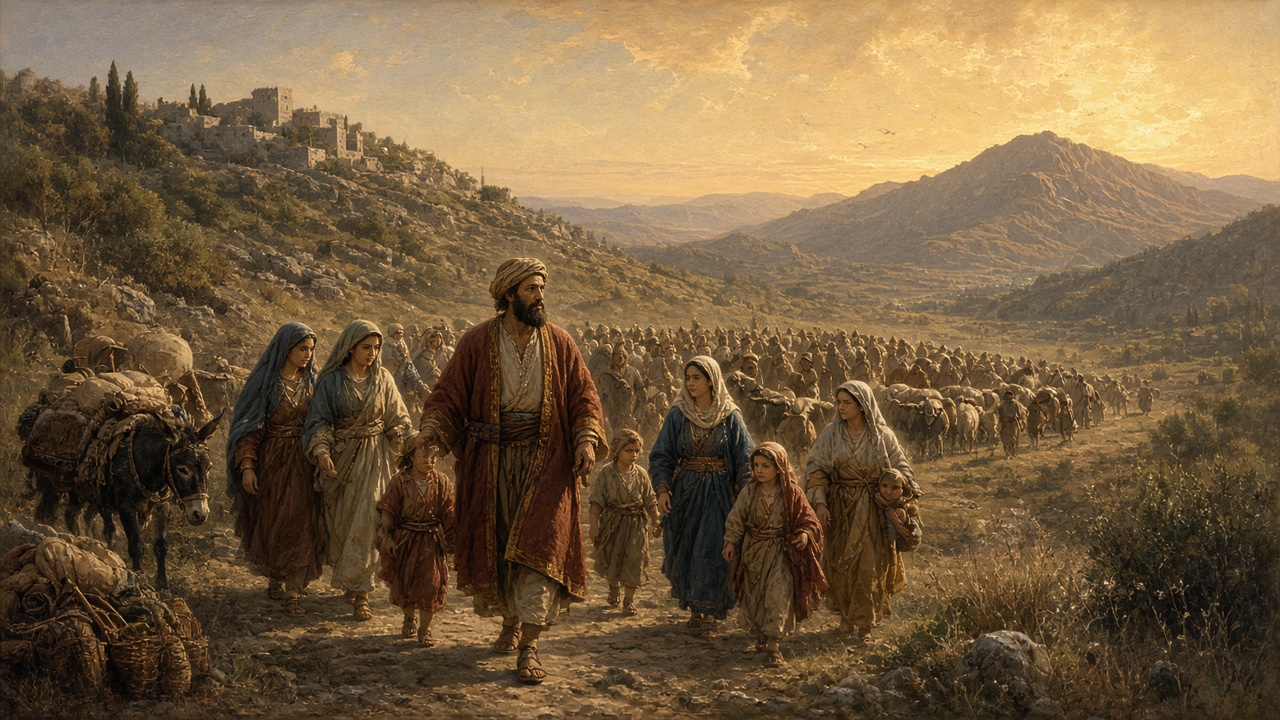
6Then Esau went away taking his wives and sons and daughters and the people who were living with him. He also took his cattle and all his belongings that he had got in Canaan. He went away to live separately from Jacob, 7because the land where he and Jacob were living was not big enough and they had too many cattle. 8So Esau went to Edom and lived there in the hill country with his family.
9Esau was the ancestor of the Edomite people, and these are the names of his descendants. 10His five sons were called Eliphaz, the son of Adah, Reuel the son of Basemath, and Jeush, Jalam and Korah, the three sons of Oholibamah. Oholibamah's father was Anah and her grandfather was Zibeon.
The six sons of Eliphaz were called Teman, Omar, Zepho, Gatam, Kenaz and Amalek. Amalek's mother was a woman called Timna.
The four sons of Reuel were called Nahath, Zerah, Shammah and Mizzah.
15Esau was the ancestor of many people. His first son Eliphaz was the father of the leaders called Teman, Omar, Zepho, Kenaz, 16Gatam and Amalek. Their grandmother was Esau's wife Adah.
17Esau's son Reuel was the father of the leaders called Nahath, Zerah, Shammah and Mizzah. Their grandmother was Esau's wife Basemath.
18Esau's sons Jeush, Jalam and Korah were also leaders and their mother was Esau's wife Oholibamah, the daughter of Anah.
19The sons and grandsons of Esau were all leaders of separate tribes.
About Seir's descendants
20Seir was a Horite and his sons lived in the hill country of Edom. Their names were Lotan, Shobal, Zibeon, Anah, 21Dishon, Ezer and Dishan. These sons of Seir were the leaders of the Horite people who lived in Edom.
22Lotan's two sons were called Hori and Heman. And Lotan had a sister called Timna.
23Shobal's five sons were Alvan, Manahath, Ebal, Shepho and Onam.
24Zibeon's two sons were Aiah and Anah. Anah was the man who found the hot springs in the desert, when he was looking after his father's donkeys.
25Anah's son was called Dishon, and his daughter was called Oholibamah.
26Dishon's four sons were called Hemdan, Eshban, Ithran and Cheran.
27The three sons of Ezer were Bilhan, Zaavan and Akan.
28The two sons of Dishan were Uz and Aran.
29These men were the leaders of the Horite people, Lotan, Shobal, Zibeon, Anah, Dishon, Ezer and Dishan. They ruled separately over their people in the country of Edom.
About the kings of Edom
31Before there were any kings in Israel, these kings ruled over the Edomite people in turn.
32The first was Bela, the son of Beor. His city was Dinhabah.
33After he died, Jobab, the son of Zerah, took his place. He came from Bozrah.
34After he died, Husham, a Temanite, took his place and ruled.
35After he died, Hadad, the son of Bedad, ruled. His city was called Avith. When Hadad was fighting the Midianite people in Moab, his soldiers drove away the Midianites.
36After Hadad died, Samlah from Masrekah ruled.
37After he died, Shaul ruled. He came from Rehoboth on the river.
38After he died, Baal-Hanan, the son of Achbor, ruled.
39After he died, Hadad from Pau ruled. His wife was called Mehetabel, and her father was Matred and her grandfather was Mezahab.
40Esau was the ancestor of the Edomite people, and these were their rulers, Timna, Alvah, Jetheth, 41Oholibamah, Elah, Pinon, 42Kenaz, Teman, Mizbar, 43Magdiel and Iram. The country where they lived was named after them.
About Jacob's family
¿Sabías que…?
Esaú, padre de los edomitas
- Génesis 36 es el registro familiar de Esaú, también llamado Edom, nombre que significa “rojo” y se vincula con el guiso de lentejas rojas por el que vendió la primogenitura. Como su casa y la de Jacob tenían más ganado del que la tierra podía sostener a los dos juntos, Esaú dejó Canaán y se estableció en la región montañosa de Seir, al este del Arabá, que llegó a ser la tierra de Edom.Fuentes: el propio texto bíblico · Esau (Edom) · Seir · Edom
- El Easton's Bible Dictionary (1897) señala que las tres esposas de Esaú reciben nombres distintos en esta genealogía y en el relato anterior. Ada, hija de Elón el heteo, también es llamada Basemat; Basemat, hija de Ismael, también es llamada Mahalat; y la esposa identificada como hija de Beeri el heteo aparece aquí como Aholibama, hija de Aná y nieta de Zibeón el heveo.Fuentes: Bashemath · Adah · Aholibamah · el propio texto bíblico
- El monte Seir estuvo ocupado primero por los horeos, a quienes los edomitas expulsaron después; aun así, este capítulo todavía enumera a los jefes horeos en la tierra de Edom. También nombra reyes que reinaron en Edom antes de que reinara rey alguno sobre los israelitas, entre ellos Bela, cuya ciudad era Dinhaba, y Jobab de Bosra, ciudad mencionada más tarde por los profetas.Fuentes: el propio texto bíblico · Seir · Dinhabah · Bozrah
Notas escritas con ayuda de IA a partir de fuentes abiertas (Theographic Bible Metadata, CC BY-SA 4.0; Easton’s Bible Dictionary, dominio público) y revisadas antes de publicarse.
Lugares de este capítulo
- Canaan · 32.767, 35.333 · versículos 2, 5, 6
- Edom · 30.746, 35.604 · versículos 9, 16, 17, 20, 21, 31, 32, 40, 43
- Midian · 28.495, 35.012 · versículo 35
- Moab · Hoy: Moab 1 · 31.181, 35.701 · versículo 35
Solo aparecen lugares identificados con alta confianza (90 % o más según las fuentes académicas reunidas por OpenBible). Mapa de la época: DARE (Digital Atlas of the Roman Empire), CC BY 4.0; mapa actual: © colaboradores de OpenStreetMap; lugares: OpenBible.info (CC BY 4.0).
Créditos y licencia de esta traducción
Anindilyakwa English Bible
Portions of the Holy Bible in English easy for Anindilyakwa speakers in Australia to understand.
Copyright © 2021 Bible Society Australia
Language: English
This translation is made available to you under the terms of the
Creative Commons Attribution-Noncommercial-No Derivatives license 4.0.
You may share and redistribute this Bible translation or extracts from it in any format, provided that:
You include the above copyright and source information.
You do not sell this work for a profit.
You do not change any of the words or punctuation of the Scriptures.
Pictures included with Scriptures and other documents on this site are licensed just for use with those Scriptures and documents.
For other uses, please contact the respective copyright owners.
2021-11-23
Fuente: http://ebible.org/engaoi/ · eBible.org