Salmos 112
LXX2012: Septuagint in British/International English 2012 · Toca un versículo para ver sus referencias cruzadas.
(113) Alleluia.
The Blessed Fear of the LORD
1Praise the Lord, you⌃ servants of his, praise, the name of the Lord.
2Let the name of the Lord be blessed, from this present time and for ever.
3From the rising of the sun to his setting, the name of the Lord is to be praised.
4The Lord is high above all the nations; his glory is above the heavens.
5Who is as the Lord our God? who dwells in the high places,
6and yet looks upon the low things in heaven, and on the earth:
7who lifts up the poor from the earth, and raises up the needy from the dunghill;
8to set him with princes, even with the princes of his people:
9who settles the barren woman in a house, as a mother rejoicing over children.
¿Sabías que…?
Las bendiciones y el carácter del justo
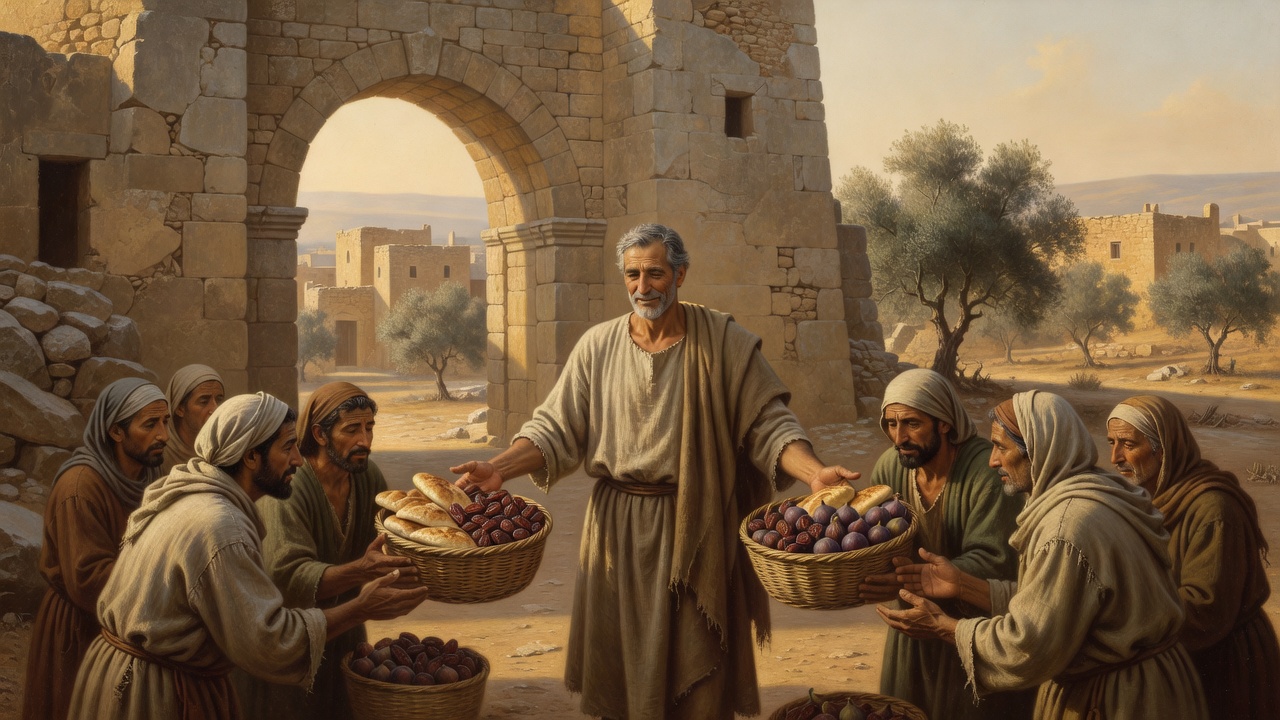
- El Salmo 112 vincula la devoción a Dios con la generosidad práctica y la rectitud, describiendo a la persona justa como aquella que actúa con justicia, presta con liberalidad y reparte bienes a los pobres.Fuentes: el propio texto bíblico
- El salmo presenta al justo como alguien firme en lo emocional y espiritual, señalando que no teme las malas noticias porque su corazón permanece seguro y confiado en el SEÑOR.Fuentes: el propio texto bíblico
Notas escritas con ayuda de IA a partir de fuentes abiertas (Theographic Bible Metadata, CC BY-SA 4.0; Easton’s Bible Dictionary, dominio público) y revisadas antes de publicarse.
Créditos y licencia de esta traducción
LXX2012: Septuagint in British/International English 2012
The Septuagint with Apocrypha, translated from Greek to English by Sir Lancelot C. L. Brenton and published in 1885, with some language updates (British/International English)
Public Domain
Language: English
Dialect (if applicable): British
Language in English: English
Translation by: Sir Lancelot Charles Lee Breton
LXX2012: Septuagint in English 2012, British/International English Edition
This is a translation of the Old Testament and Apocrypha/Deuterocanon from Hebrew to Greek to 19th Century British English, with some updates of spelling and word usage to contemporary British/International English. The original English translation was done by Sir Lancelot Charles Lee Brenton and published by Samuel Bagster & Sons, Ltd., in London in 1851. It has entered the Public Domain due to the passage of sufficient time. In the process of scanning and typing the text, the original poetry and prose formatting, as well as peripheral material like introductions and notes, have been omitted.
This edition of the Septuagint has some language updates. Brenton's word order and punctuation has been mostly retained, meaning that quotation marks are not used, and sentences within quotes may not start with capital letters, as was standard usage in 1851. Names transliterated from Greek to those transliterated from Hebrew in the common English Bibles often differ. These language updates are dedicated to the Public Domain by the author of those edits, Michael Paul Johnson. Therefore this edition may be freely copied, published, etc.
Before considering making changes to the text of this work, I recommend that you consult with God, because this is really His Book.
If you find errors in the text, please report them so that we can correct them.
Donations to help with the expenses of operating this web site and thus help others have free access to the Word of God may be made to us, but are not required. Please see http://MLJohnson.org/partner/ for more about that.
Títulos de sección adaptados de la Berean Standard Bible (dominio público); no forman parte del texto bíblico de esta traducción.
Fuente: http://ebible.org/eng-uk-lxx2012/ · eBible.org