Proverbios 17
American Standard Version (1901) · Toca un versículo para ver sus referencias cruzadas.
Better a Dry Morsel in Quietness
1Better is a dry morsel, and quietness therewith,
Than a house full of feasting with strife.
2A servant that dealeth wisely shall have rule over a son that causeth shame,
And shall have part in the inheritance among the brethren.
3The refining pot is for silver, and the furnace for gold;
But Jehovah trieth the hearts.
4An evil-doer giveth heed to wicked lips;
And a liar giveth ear to a mischievous tongue.
5Whoso mocketh the poor reproacheth his Maker;
And he that is glad at calamity shall not be unpunished.
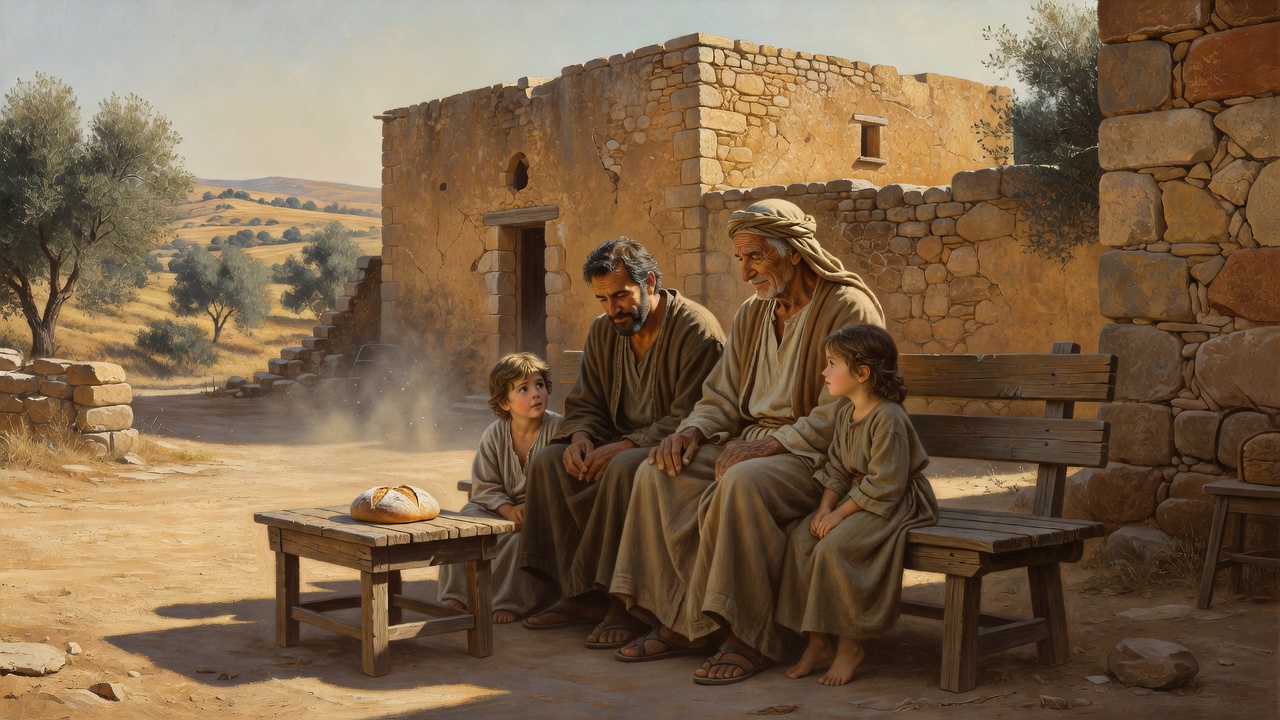
6Children’s children are the crown of old men;
And the glory of children are their fathers.
7Excellent speech becometh not a fool;
Much less do lying lips a prince.
8A bribe is as a precious stone in the eyes of him that hath it;
Whithersoever it turneth, it prospereth.
9He that covereth a transgression seeketh love;
But he that harpeth on a matter separateth chief friends.
10A rebuke entereth deeper into one that hath understanding
Than a hundred stripes into a fool.
11An evil man seeketh only rebellion;
Therefore a cruel messenger shall be sent against him.
12Let a bear robbed of her whelps meet a man,
Rather than a fool in his folly.
13Whoso rewardeth evil for good,
Evil shall not depart from his house.
14The beginning of strife is as when one letteth out water:
Therefore leave off contention, before there is quarrelling.
15He that justifieth the wicked, and he that condemneth the righteous,
Both of them alike are an abomination to Jehovah.
16Wherefore is there a price in the hand of a fool to buy wisdom,
Seeing he hath no understanding?
17A friend loveth at all times;
And a brother is born for adversity.
18A man void of understanding striketh hands,
And becometh surety in the presence of his neighbor.
19He loveth transgression that loveth strife:
He that raiseth high his gate seeketh destruction.
20He that hath a wayward heart findeth no good;
And he that hath a perverse tongue falleth into mischief.
21He that begetteth a fool doeth it to his sorrow;
And the father of a fool hath no joy.
22A cheerful heart is a good medicine;
But a broken spirit drieth up the bones.
23A wicked man receiveth a bribe out of the bosom,
To pervert the ways of justice.
24Wisdom is before the face of him that hath understanding;
But the eyes of a fool are in the ends of the earth.
25A foolish son is a grief to his father,
And bitterness to her that bare him.
26Also to punish the righteous is not good,
Nor to smite the noble for their uprightness.
27He that spareth his words hath knowledge;
And he that is of a cool spirit is a man of understanding.
28Even a fool, when he holdeth his peace, is counted wise;
When he shutteth his lips, he is esteemed as prudent.
¿Sabías que…?
Sabiduría para las relaciones, el habla y el corazón
- Las antiguas técnicas metalúrgicas utilizaban crisoles para la plata y hornos de alta temperatura para el oro con el fin de separar el metal precioso de la escoria. El proverbio recurre a este proceso de refinación para ilustrar cómo el Señor examina y prueba los motivos más profundos del corazón humano.Fuentes: el propio texto bíblico
- La imagen de iniciar una contienda como la ruptura de una presa evoca los antiguos diques de irrigación y contención de agua. Una pequeña grieta en un terraplén de tierra se ensancha con rapidez hasta convertirse en una corriente incontrolable, lo que ilustra por qué los conflictos deben detenerse antes de desbordarse.Fuentes: el propio texto bíblico
- En la literatura sapiencial bíblica, la moderación al hablar y el mantenimiento de un espíritu sereno son rasgos fundamentales del entendimiento. Proverbios señala que el silencio está tan ligado a la prudencia que incluso el necio que guarda silencio puede ser tenido por sabio.Fuentes: el propio texto bíblico
Notas escritas con ayuda de IA a partir de fuentes abiertas (Theographic Bible Metadata, CC BY-SA 4.0; Easton’s Bible Dictionary, dominio público) y revisadas antes de publicarse.
Créditos y licencia de esta traducción
American Standard Version (1901)
The American Standard Version of the Holy Bible, first published in 1901.
Public Domain
Language: English
Dialect: Archaic American
This public domain Bible translation is brought to you courtesy of eBible.org.
If you would like to make a donation to help keep free Bible access like this going, please visit https://eBible.org/give.php .
2026-10-02
Títulos de sección adaptados de la Berean Standard Bible (dominio público); no forman parte del texto bíblico de esta traducción.
Fuente: http://ebible.org/eng-asv/ · eBible.org