Éxodo 18
Ãcõrẽ Bed̶ea · Toca un versículo para ver sus referencias cruzadas.
Jetroba Moise acʌd̶e wãna
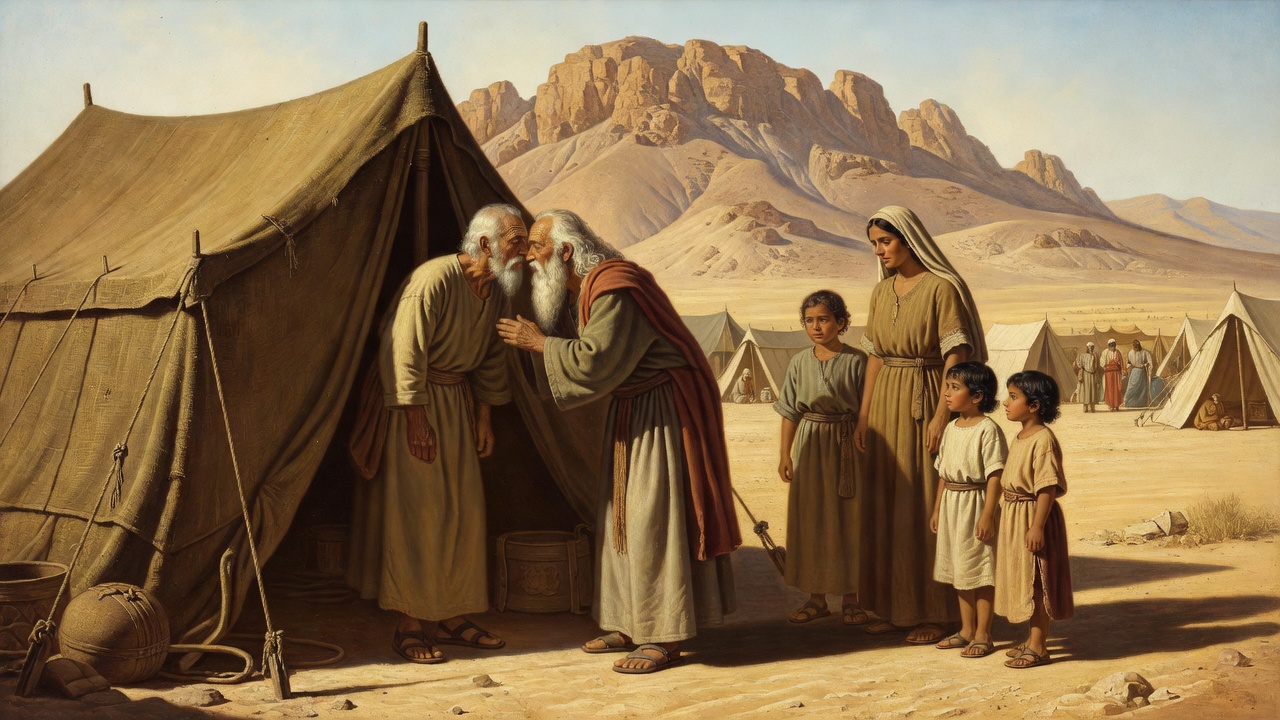
1Moise zãwãrẽ Jetro abadara Madiaʌ̃nebemarã sacerdote basía. Jetroba ũrĩsia sãwã Ãcõrẽba israelerãra Egiptod̶eba ẽdrʌ enesida. Idjab̶a ũrĩsia sãwã Ãcõrẽba idji puru Israelera, Moise sid̶a carebasida.
2Naẽna Moiseba idji quima Seporáda ãdji warrarã sid̶a dji zezamaa diabuesia. Maʌ̃ne Jetroba idji caura, dji warrarã umé panʌ sid̶a idji ded̶e bia edasia. 3Idji warra nabema tosid̶ad̶e Moiseba jarasia: “Naʌ̃ druad̶e mʌ̃ra drua ãĩbemada jãwã b̶ʌa.” Mãwã dji warrara trʌ̃ b̶ʌsia Gersoʌ̃. 4Dji tẽãbema tosid̶ad̶e Moiseba jarasia: “Mʌ̃ zezaba ĩjã b̶ad̶a Ãcõrẽba mʌ̃ra carebasia. Egiptod̶ebema boroba beai bad̶ada idjia mʌ̃ra ẽdrʌ b̶ʌsia.” Mãwã dji warrara trʌ̃ b̶ʌsia Elieze.
5Ẽjũã põãsa ewaraga b̶ʌd̶e Moisera israelerã ume Ãcõrẽ eya caita duanasid̶aa. Maʌ̃ne Moise zãwãrẽ Jetroba idjía naʌ̃ bed̶eada diabuesia: “Mʌ̃da, bʌ quimada, bʌ warrarã sid̶a bʌmaa wãnia.”
Maʌ̃ bed̶ea diabued̶acarea ãdjirãra Moisemaa wãsid̶aa. 7Jũẽbʌdad̶e Moiseba idji zãwãrẽra bio b̶ʌsrid̶a audiab̶arid̶e wãsia. Idji zãwãrẽ quĩrãpita quĩrã ed̶aa b̶arruped̶a idji uridarrad̶e isõsia. Maʌ̃ne sãwã b̶ʌ cawaya dji iwid̶id̶aped̶a Moise wua ded̶e ed̶a wãsid̶aa. 8Maʌ̃be Moiseba idji zãwãrẽa Ãcõrẽba israelerã itea od̶ada jũma nẽbʌrʌsia. Ãcõrẽba Egiptod̶ebema boro, jũma egiptorã sid̶a cawa od̶ad̶ebemada, ãdjirã od̶e zesid̶ad̶e bia mĩga panananebemada, idjab̶a Ãcõrẽba ãdjirã ne jũmane carebad̶ad̶ebema sid̶a jũma nẽbʌrʌsia.
9Maʌ̃ ũrĩped̶a Jetrora bio b̶ʌsrid̶asia Ãcõrẽba israelerãra ne jũmane carebad̶a bẽrã idjab̶a ãdjirãra egiptorã jʌwaed̶abemada ẽdrʌ edad̶a bẽrã. 10Jetroba nãwã jarasia:
–Bio biya quirua Ãcõrẽra, idjia bãrã israelerãra egiptorã jʌwaed̶abemada, ãdjirã boro jʌwaed̶abema sid̶a ẽdrʌ edad̶a bẽrã. 11Id̶ibʌrʌ mʌ̃a cawasia Ãcõrẽra dji dromaara b̶ʌda. Dewara ãcõrẽda idji quĩrãca neẽ́a. Mãwã cawa b̶ʌa Ãcõrẽba israelerã biẽ́ o eropananarã poyasi bẽrã.–
12Mãwã jaraped̶a Moise zãwãrẽ Jetroba Ãcõrẽa animarãda babue diasia. Dewara animarã sid̶a Ãcõrẽa bea diasid̶e Aaroʌ̃ra, jũma israelerã bororã sid̶a idji ume ãbaa dji jʌred̶aped̶a Ãcõrẽ quĩrãpita maʌ̃ animarã djarara cosid̶aa.
Moiseba israelerã bororã b̶ʌcuad̶a
13Nurẽma Moisera chũmesia israelerã nẽbʌra cawa oi carea. Diaped̶abemada ab̶a queubʌrʌd̶aa israelerãra Moisema powua duanasid̶aa ãdji nẽbʌrada cawa omãrẽã. 14Moise zãwãrẽba maʌ̃ unusid̶e idjía jarasia:
–¿Cãrẽ cãrẽã jãwã bʌdub̶aʌba naʌ̃ ẽberãrã nẽbʌrara cawa o b̶ʌ? Bʌdub̶a b̶ʌ bẽrã ãdjirãra bʌma ʌ̃ta powua duanʌa diaped̶abemada ab̶a queubʌrʌd̶aa.–
15Moiseba idji zãwãrẽa panusia:
–Jãwã o b̶ʌa naʌ̃ ẽberãrãra mʌ̃maa zebada bẽrã Ãcõrẽba obi b̶ʌra cawad̶i carea. 16Ãdjirã nẽbʌrad̶e panebʌdad̶e mʌ̃maa zebadaa cawa omãrẽã. Cawa obʌrʌd̶e mʌ̃a ãdjirãa Ãcõrẽ leyda cawabibaria.–
17Moise zãwãrẽba jarasia:
–Mʌ̃maarã bʌa o b̶ʌra bia b̶ʌẽ́a. 18Diaped̶aʌba ab̶a queubʌrʌd̶aa bʌa cawa o b̶ʌ bẽrã sẽya. Ẽberãrã bʌmaa ze panʌ sid̶a jũma sẽnia. Bʌa o b̶ʌra jũmawãyã b̶ʌa. Naʌ̃ra bʌdub̶aʌba jũma poya oẽ́a. 19Maʌ̃ bẽrã mʌ̃ bed̶eada quĩrãcuita ũrĩdua. Mʌ̃a jarabʌrʌ quĩrãca oibʌrʌ Ãcõrẽba bʌra carebaya. Mʌ̃a jara b̶ʌra naʌ̃gʌa: bʌabʌrʌ naʌ̃ ẽberãrã nẽbʌrara Ãcõrẽa jaraida b̶ʌa idjia cawa omãrẽã. 20Maʌ̃ne Ãcõrẽ leyda bʌa ãdjirãa jaradiaida b̶ʌa. Idjab̶a bʌa ãdjirãa cawabida b̶ʌa cãrẽda od̶ida panʌda quĩrãipa nĩbad̶amãrẽã.
21Maʌ̃ awara bʌ carebad̶amãrẽã ʌ̃cʌrʌ umaquĩrã poya cawa od̶ida b̶eada edadua. Maʌ̃gʌrãba Ãcõrẽra waya b̶ead̶ida panʌa, bed̶ea ab̶a b̶ead̶ida panʌa, idjab̶a paratada awua b̶ead̶iẽ́ panʌa. Mãwã b̶eadrʌ b̶ʌdua israelerã bororãda b̶ead̶amãrẽã. Mil ẽberãrã juachabʌdaza dji boroda ab̶a b̶ʌdua. Cien ẽberãrã juachabʌdaza ab̶a b̶ʌdua. Cincuenta ẽberãrã juachabʌdaza ab̶a b̶ʌdua. Idjab̶a die ẽberãrã juachabʌdaza ab̶a b̶ʌdua. 22Maʌ̃ bororãba ẽberãrã nẽbʌrara cawa od̶ida panʌa. Baridua nẽbʌrada ãdub̶a poya cawa od̶aẽ́bʌrʌ, bʌmaa zed̶ida panʌa bʌa cawa omãrẽã. Baribʌrʌ jũma nẽbʌra mãcua zareaẽ́ b̶eara ãdub̶a cawa od̶ida panʌa. Maʌ̃ bororãba careba cawa o panʌ bẽrã bʌra jũmawãyã sẽ b̶aẽ́a. 23Mʌ̃a jara b̶ʌra Ãcõrẽba obi b̶ʌa. Maʌ̃ bẽrã bʌa mãwã oibʌrʌ naʌ̃ ẽberãrã cawa o b̶ʌd̶ebemada biara ʌ̃nãũya. Idjab̶a dji nẽbʌrad̶e pananara ãdji ded̶aa necai wãnia.–
24Moiseba idji zãwãrẽba jarad̶ara jũma ĩjã osia. 25Idjia Israeld̶ebema umaquĩrã poya cawa od̶ida b̶eada edaped̶a israelerã bororãda b̶ʌcuasia. Mil ẽberãrã juachabʌdaza dji boroda ab̶a b̶ʌsia. Cien ẽberãrã juachabʌdaza ab̶a b̶ʌsia. Cincuenta ẽberãrã juachabʌdaza ab̶a b̶ʌsia. Idjab̶a die ẽberãrã juachabʌdaza ab̶a b̶ʌsia.
26Maʌ̃ bororãba ẽberãrã nẽbʌrada cawa obadjid̶aa. Baridua nẽbʌrada ãdub̶a poya cawa od̶aẽ́ panebʌdad̶e Moisemaa wãbadjid̶aa cawa omãrẽã. Baribʌrʌ jũma nẽbʌra mãcua zareaẽ́ b̶eara maʌ̃ bororãba ãdub̶a cawa obadjid̶aa.
27Mãwãnacarea Moiseba bia wãduad̶a aped̶a dji zãwãrẽra idji druad̶aa jẽda wãsia.
¿Sabías que…?
La visita y el consejo de Jetro
- Camino a Egipto, después de los acontecimientos de Éxodo 4:24–26, Moisés envió de regreso a Séfora y a sus hijos Gersón y Eliezer, a los parientes madianitas de ella. Jetro los recibió, y permanecieron con él hasta que los llevó adonde Moisés, en el desierto, donde Moisés estaba acampado junto al monte de Dios.Fuentes: Zipporah · Eliezer · el propio texto bíblico
- A Jetro se le llama sacerdote de Madián y suegro de Moisés. El Easton's Bible Dictionary (1897) lo identifica con Raguel y, en la entrada sobre Séfora, la llama hija de Reuel; sugiere que Raguel pudo haber sido su nombre personal, y Jether o Jetro —que significa "excelencia"— un título oficial. Los madianitas, descendientes de Madián, hijo de Abraham con Cetura, eran un pueblo árabe nómada, y la península del Sinaí era tierra de pastoreo para sus rebaños.Fuentes: Jethro · Zipporah · Midian · Midian
- Los nombres de los hijos conservan recuerdos de la estancia de Moisés en Madián. Gersón, el mayor, se vincula con las palabras de Moisés: "He sido extranjero en una tierra extranjera"; y Eliezer, con su dicho: "El Dios de mi padre fue mi ayuda y me libró de la espada de Faraón." El Easton's Bible Dictionary indica que el nombre de Séfora significa "un ave hembra".Fuentes: el propio texto bíblico · Gershom · Eliezer · Zipporah
Notas escritas con ayuda de IA a partir de fuentes abiertas (Theographic Bible Metadata, CC BY-SA 4.0; Easton’s Bible Dictionary, dominio público) y revisadas antes de publicarse.
Lugares de este capítulo
Solo aparecen lugares identificados con alta confianza (90 % o más según las fuentes académicas reunidas por OpenBible). Mapa de la época: DARE (Digital Atlas of the Roman Empire), CC BY 4.0; mapa actual: © colaboradores de OpenStreetMap; lugares: OpenBible.info (CC BY 4.0).
Créditos y licencia de esta traducción
Ãcõrẽ Bed̶ea
New Testament in Emberá, Northern (PM:emp:Emberá, Northern)
copyright © 2011 Wycliffe Bible Translators, Inc.
Language: Emberá, Northern
Translation by: Wycliffe Bible Translators, Inc.
Copyright Information
© 2011, Wycliffe Bible Translators, Inc. All rights reserved.
This translation text is made available to you under the
terms of the Creative Commons License: Attribution-Noncommercial-No Derivative Works.
( http://creativecommons.org/licenses/by-nc-nd/3.0/ )
In addition, you have permission to port the text to different file formats, as long as you
do not change any of the text or punctuation of the Bible.
You may share, copy, distribute, transmit, and extract portions
or quotations from this work, provided that you include the above copyright
information:
You must give Attribution to the work.
You do not sell this work for a profit.
You do not make any derivative works that change any of the actual words or punctuation of the Scriptures.
Permissions beyond the scope of this license may be
available if you contact
us with your request.
The New Testament
in Emberá, Northern
© 2011, Wycliffe Bible Translators, Inc. All rights reserved.
This translation is made available to you under the terms of the
Creative Commons Attribution-Noncommercial-No Derivatives license 4.0.
You may share and redistribute this Bible translation or extracts from it in any format, provided that:
You include the above copyright and source information.
You do not sell this work for a profit.
You do not change any of the words or punctuation of the Scriptures.
Pictures included with Scriptures and other documents on this site are licensed just for use with those Scriptures and documents.
For other uses, please contact the respective copyright owners.
2014-04-24
Fuente: http://ebible.org/empNTpo/ · eBible.org