Éxodo 11
Ãcõrẽ Bed̶ea · Toca un versículo para ver sus referencias cruzadas.
Ãcõrẽba dji nabema umaquĩrã warra beud̶i jarad̶a
1Maʌ̃be Ãcõrẽba Moisea jarasia:
–Mʌ̃a Egiptod̶ebema borora, egiptorã sid̶a wayacusa cawa oya. Mãwã cawa od̶acarea dji boroba bãrã israelerãra idu wãbiya. Ab̶ed̶a bãrãra idji druad̶ebemada ãyã jʌrecuaya. 2Maʌ̃ bẽrã israelerãa jaradua ãdjirã caita b̶ea egiptorãa oro od̶ada, parata od̶a sid̶a iwid̶id̶amãrẽã.–
3Ãcõrẽba egiptorãa israelerãra bia unubisia. Dji dromarãba, waabema egiptorã bid̶a Moisera dji dromada cawasid̶aa.
4Egiptod̶ebema boromaʌba ãyã wãi naẽna Moiseba idjía jarasia:
–Ãcõrẽba nãwã jara b̶ʌa: “Ariquẽtra mʌ̃ra jũma Egipto druad̶e pʌrrʌaya. 5Maʌ̃ne umaquĩrã warra dji nabemarãra jũma beud̶ia. Egiptod̶ebema boro umaquĩrã warra dji nabemara beuya. Dji ed̶aara b̶ʌ nezocawẽrãba erob̶ʌ umaquĩrã warra dji nabema sid̶a beuya. Idjab̶a animarã warra dji umaquĩrã naãrã tod̶a sid̶a jũma beud̶ia. 6Maʌ̃ne jũma Egiptod̶e sopua dromaba ẽberãrãra jĩãbi b̶ʌgad̶ia. Maʌ̃ ewari naẽna sopuara maʌ̃ quĩrãca ununaca basía ni maʌ̃ quĩrãca waa ununaẽ́a. 7Baribʌrʌ dai israelerã duanʌma chupea nũmaya sopuad̶aẽ́ bẽrã. Usa sid̶a berud̶aẽ́a ni cãrẽ sid̶a sãwãnaẽ́ bẽrã.”
Mãwã bãrã egiptorãba cawad̶ia Ãcõrẽba dai israelerãra quĩrã awara obarida. 8Mãwãbʌrʌd̶e dji dromarãda mʌ̃maa zed̶ia. Ãdjirãra mʌ̃ quĩrãpita chĩrãborod̶e copanenaped̶a jarad̶ia: “Wãdua. Jũma israelerã sid̶a pe ededua.” Bãrãba mãwã jarabʌdad̶ebʌrʌ mʌ̃ra wãya.–
Moisera bio quĩrũ b̶ʌda Egiptod̶ebema boromaʌba ẽdrʌsia.
9Naẽna Ãcõrẽba Moisea jarad̶oasia:
–Egiptod̶ebema boroba bãrãba jara panʌra ĩjãẽ́ b̶aya. Mãwã mʌ̃a ne ununacada Egiptod̶e zocãrã ocuaya.–
10Moiseba Aaroʌ̃ bid̶a maʌ̃ ne ununaca b̶eara Egiptod̶ebema boro quĩrãpita ocuasid̶aa. Baribʌrʌ Ãcõrẽba idjira so zarea b̶ʌsia. Maʌ̃ bẽrã Egiptod̶ebema boroba israelerãra idji druad̶ebemada idu ẽdrʌbiẽ́ basía.
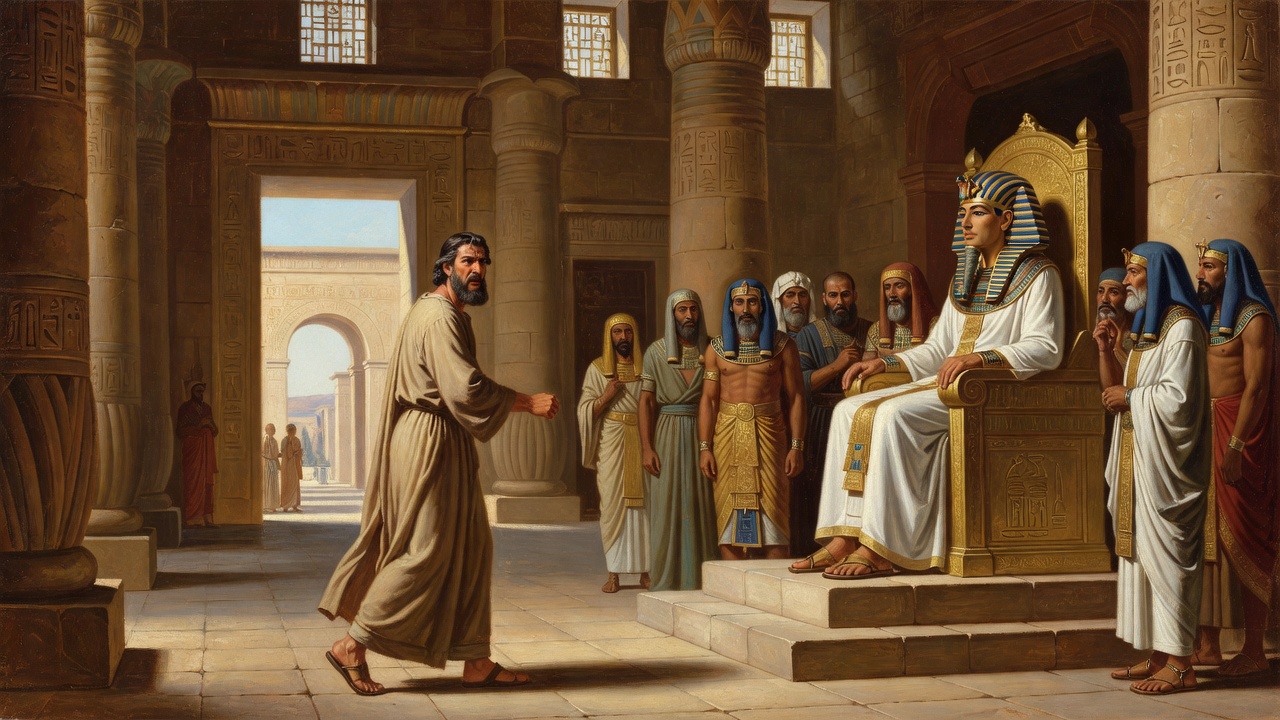
¿Sabías que…?
Una plaga más antes del Éxodo
- El Easton's Bible Dictionary (1897) dice que el faraón del Éxodo fue probablemente Menephtah I, el decimocuarto hijo de Rameses II y el mayor de los hijos que sobrevivieron, pero también señala que aún es una cuestión si él o Seti II fue ese rey; algunos se inclinan por Seti II. La misma entrada dice que ese faraón residía en Zoán, donde tuvieron lugar sus entrevistas con Moisés y Aarón. Este capítulo termina con Moisés, ardiendo de ira, saliendo de la presencia del faraón.Fuentes: Pharaoh (of the Exodus) · el propio texto bíblico
- El Easton's Bible Dictionary (1897) afirma que Jacob y sus hijos bajaron a Egipto probablemente unos 350 años antes del nacimiento de Moisés, y que el rey les dio lo mejor de la tierra, Gosén, para habitar. En este capítulo se indica a los hombres y a las mujeres de Israel que pidan a sus vecinos artículos de plata y de oro, y el relato dice que el SEÑOR concedió al pueblo favor ante los egipcios.Fuentes: Moses · el propio texto bíblico
- Un registro de eventos fecha el inicio del Éxodo de Egipto en 1490 a. C. En este capítulo, el SEÑOR dice a Moisés que, después de una plaga más, el faraón dejará salir al pueblo y lo expulsará por completo.Fuentes: Exodus from Egypt · el propio texto bíblico
Notas escritas con ayuda de IA a partir de fuentes abiertas (Theographic Bible Metadata, CC BY-SA 4.0; Easton’s Bible Dictionary, dominio público) y revisadas antes de publicarse.
Lugares de este capítulo
Solo aparecen lugares identificados con alta confianza (90 % o más según las fuentes académicas reunidas por OpenBible). Mapa de la época: DARE (Digital Atlas of the Roman Empire), CC BY 4.0; mapa actual: © colaboradores de OpenStreetMap; lugares: OpenBible.info (CC BY 4.0).
Créditos y licencia de esta traducción
Ãcõrẽ Bed̶ea
New Testament in Emberá, Northern (PM:emp:Emberá, Northern)
copyright © 2011 Wycliffe Bible Translators, Inc.
Language: Emberá, Northern
Translation by: Wycliffe Bible Translators, Inc.
Copyright Information
© 2011, Wycliffe Bible Translators, Inc. All rights reserved.
This translation text is made available to you under the
terms of the Creative Commons License: Attribution-Noncommercial-No Derivative Works.
( http://creativecommons.org/licenses/by-nc-nd/3.0/ )
In addition, you have permission to port the text to different file formats, as long as you
do not change any of the text or punctuation of the Bible.
You may share, copy, distribute, transmit, and extract portions
or quotations from this work, provided that you include the above copyright
information:
You must give Attribution to the work.
You do not sell this work for a profit.
You do not make any derivative works that change any of the actual words or punctuation of the Scriptures.
Permissions beyond the scope of this license may be
available if you contact
us with your request.
The New Testament
in Emberá, Northern
© 2011, Wycliffe Bible Translators, Inc. All rights reserved.
This translation is made available to you under the terms of the
Creative Commons Attribution-Noncommercial-No Derivatives license 4.0.
You may share and redistribute this Bible translation or extracts from it in any format, provided that:
You include the above copyright and source information.
You do not sell this work for a profit.
You do not change any of the words or punctuation of the Scriptures.
Pictures included with Scriptures and other documents on this site are licensed just for use with those Scriptures and documents.
For other uses, please contact the respective copyright owners.
2014-04-24
Fuente: http://ebible.org/empNTpo/ · eBible.org