Rut 4
Ekajuk Scriptures Bible Portions · Toca un versículo para ver sus referencias cruzadas.
Boas ko Rut go elbal ana ejum elehkelkv
1Owo Boas kehm mehle tahm go esi ejahbe song ji go eti mbu ji nfam kpo kono elwane. Eji nne no bahke lehke elkv, no á jo bung ba no,, Boas kehm bungu re, <<Ba, wo ba ji ga mbi.>> Á kehm bake ba ji.
2Boas koo anebkul nfam na awubu kehm bungu re, <<Jiin a.>> Bo kehm ba ji. 3Owo Boas kehm bungu tong nlehkelkv re, <<Naomi ji kpehna kehnge go Moab kpi erohko ndi ji á bahke gungu ji mmonannee ewahre no bo jo lung-e re Elimelek. 4N gbo ntir re me n ko ejum jia ba go ega alata, ba tong-a re wo gunu go esamahr anebkul, a ane kpee ba jehk a. Lˈjol re a bahke fake, a fak, tohko jol ano tong-m eji n lˈkahn.>> Á kehm bungu re, <<Nnene go limm no fuumu re á fak sehnge wo, me wo li etoono nne.>>
A kehm bungu re, <<M bahk-e fake.>>
5Boas kehm bungu re, <<Efung bi a lˈgunu edi ndi jia go abo nya Naomi, Rut ji li nkalebun no lohng go Moab, a bahk-e koko go elbal, eji mbing nyi nne no ma kpo, a nsol enye bahke sake go ebangenahb.>>
6Eji nlehkelkv wuku jia, á kehm bungu re, <<N nehm ma fak, n lˈlim ano, ebangenahb ejame bahke jolo efin efin. Me nehm ma fak, wo song fak.>>
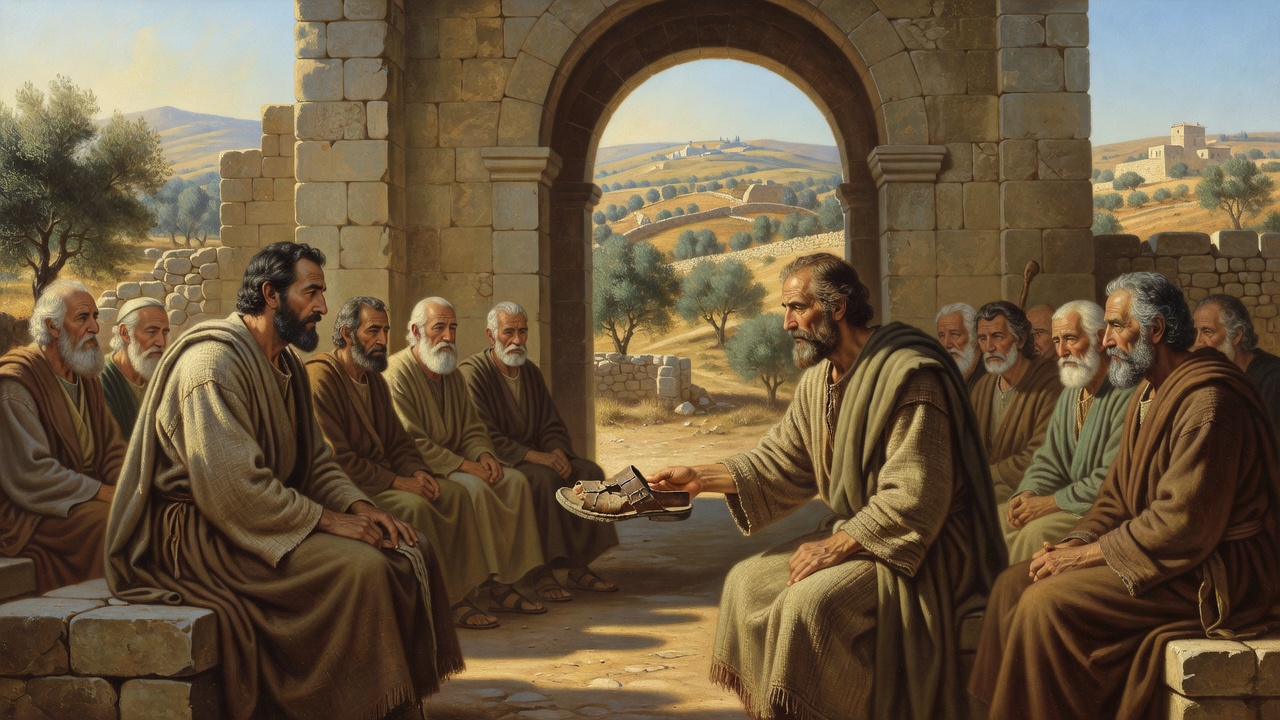
7Jolo eljini mahne mahne go Isreel bade elehkelkv, a ejum ayaange re, nne no kpˈfaake ejum elehkelkv ka nne noko, bahke yehke ekpaketa eje ka nne no kpˈkoko. Jia ji ane bahke liingi re woblim ana fuumu no.
8Nne no jol lˈli elkv nio kehm bungu tong Boas re, <<Fak antahng.>> Á kehm soro yehke ekpaketa eje ka Boas.
9Owo Boas kehm bungu tong anebkul nfam, a ane bako kpee re, <<Wahn ba li atianse lela re me n gunu nsol nyi Elimelek, nyi Kilion, a nyi Malon go abo nya Naomi. 10Me n tob ko Rut ji lohng go Moab, ye ji jolo nkal no Malon ana nkal ewame, eji mbing nyi Malon, a nsol a nsol enye lˈkˈtan go ge ebangenahb, a ejahbe eje. Wahn ba li atianse lela.>>
11Anebkul, a ane kpee ba ji go eti mbu kehm bungu re, <<Wahr atianse enya nya.>>Nong Jehova lim nnenkal no kpˈbake go ega etahk ana Rasel abola Lea, bo ji limi nfam nyi Isreel kpee. Nong wo gbal go Efrat, bo kahn-a go Betlehem. 12Sehng go etˈtohngo ji Jehova ma-a ka, go elwo ni ngbahme nyia, nong ebangenahb eja jol ana ji Peres ji Tema jele ka Juda.
Etˈtohngo ji Boas
13Boas kehm rodo Rut, á jol nkal ewe. Eji Boas noongo a ne, Jehova ba lennge ejˈjele eje, á ba sa ela jel mmon no nlum. 14Anebkal kehm bungu tong Naomi re, <<Nong ellub jol ka Jehova, ye ji ki-a yake abo abo, á ma-a ka nlehkelkv go ega ebangenahb. Nong bo kahn-e kpee go Isreel. 15Á bahke limi elkpin ena nyamme, fere kpur-a ngare nyi a ma kul. Ye wo li mmon no nkala mmon ewa no a kpo sahb kor-e kor, me-e jel. Nkal a mmon ewa noa wo ga nob sehnge abon ba nlum na asehma.>>
16Naomi kehm rodo mmon kunu elne go ayo jo kpur-e. 17Anebkal ba lene o kehm kehme elbungu re, <<Naomi ebbel mmon no nlum.>> Bo gung-e mbing re Obed, ye wo jolo nde no Jesi, Jesi jol nde no Devid.
18Etˈtohngo ji Peres ji a, Peres jolo nde no Hesron, 19Hesron jol nde no Ram, Ram jol nde no Aminadab 20Aminadab jol nde no Nason, Nason jol nde no Salmon, 21Salmon jol nde no Boas, Boas jol nde no Obed, 22Obed jol nde no Jesi, Jesi jol nde no Devid.
¿Sabías que…?
La redención en la puerta y el linaje de David
- En el antiguo Israel, las transacciones legales como la redención de propiedades se realizaban públicamente junto a la puerta de la ciudad ante ancianos y testigos. Quitarse y entregar una sandalia servía como un acto legal acostumbrado para confirmar la transferencia de los derechos de rescate.Fuentes: el propio texto bíblico · Ruth
- Al adquirir las tierras de Elimelec y de sus hijos, Boaz asumió también la obligación de casarse con la viuda de Majlón, Rut la moabita, a fin de preservar el nombre del difunto sobre su heredad familiar.Fuentes: el propio texto bíblico · Boaz · Mahlon · Elimelech
- El niño nacido de Rut y Boaz, llamado Obed, llegó a ser el abuelo del rey David, incorporando a Rut, una extranjera de Moab, en la genealogía real que desciende de Pérez.Fuentes: el propio texto bíblico · Obed · David · Pharez
Notas escritas con ayuda de IA a partir de fuentes abiertas (Theographic Bible Metadata, CC BY-SA 4.0; Easton’s Bible Dictionary, dominio público) y revisadas antes de publicarse.
Lugares de este capítulo
- Moab · Hoy: Moab 1 · 31.181, 35.701 · versículo 3
- Bethlehem · 31.704, 35.208 · versículo 11
- Ephrathah · Hoy: Bethlehem · 31.704, 35.208 · versículo 11
Solo aparecen lugares identificados con alta confianza (90 % o más según las fuentes académicas reunidas por OpenBible). Mapa de la época: DARE (Digital Atlas of the Roman Empire), CC BY 4.0; mapa actual: © colaboradores de OpenStreetMap; lugares: OpenBible.info (CC BY 4.0).
Créditos y licencia de esta traducción
Ekajuk Scriptures Bible Portions
Ekajuk: Ekajuk Scriptures Bible Portions (Bible)
copyright © 2024 Luke Initiative for Scripture Translation and The Seed Company
Language: Ekajuk
Contributor: Luke Initiative for Scripture Translation
This translation is made available to you under the terms of the
Creative Commons Attribution Share-Alike license 4.0.
You have permission to share and redistribute this Bible translation in any format and to make reasonable revisions and adaptations of this translation, provided that:
You include the above copyright and source information.
If you make any changes to the text, you must indicate that you did so in a way that makes it clear that the original licensor is not necessarily endorsing your changes.
If you redistribute this text, you must distribute your contributions under the same license as the original.
Pictures included with Scriptures and other documents on this site are licensed just for use with those Scriptures and documents.
For other uses, please contact the respective copyright owners.
Note that in addition to the rules above, revising and adapting God's Word involves a great responsibility to be true to God's Word. See Revelation 22:18-19.
2025-07-02
Fuente: http://ebible.org/eka/ · eBible.org