Juan 12
Ekajuk Scriptures Bible Portions · Toca un versículo para ver sus referencias cruzadas.
Ana bo wohngo Jisos akehng go Betani
1Eji ma sa nfung erakera, Pasova rehng, Jisos kehm tahme go Betani, edi ji Lasaros lene no, ji á nyahme go elkv. 2Owo bo kehm lame nsol ka-e. Mata wo jo loko bo. Lasaros tꞌtob woomo go ellong ane ba ji ekpꞌkuru nsol alehke a Jisos.
3Meri kehm koko egburu elom akehng ji sahb kꞌkim ekun, ba a ji, ba yaange wohngo Jisos go akpade, kehm fere ko alv esi enye, jo dohk-e akpade. Esꞌsvv akehng mao kehm yeele na yeele ekpꞌkpa jio.
4Judas Iskariot ji woomo go ellong abatꞌtoono Jisos, ye jio ji bahk-e gungu, kehm bungu re, 5“Jen ji wahnge bo ki gungu akehng maa, ko eltahl a mpon ewubu ka akpak?” 6Alum nyaa nya á bungu no, lohngem re á tiiri akpak, lohngo re á tiiri elne. Tibre ye jolo nwajv. Á jolo nne no jo kuuru akpohko, fere jo yehke o, jo kak elne ebo.
7Jisos kehm bungu re, “Yaken nnenkal noo! Á kuuru akehng maa sik elkv ename. 8Akpak li a nahne ngare anyehng anyehng, wo, me n limm a nahne ngare anyehng anyehng.”
Ana bo jo lam kak Lasaros
9Eji ellong Jus tvv wuku no re, Jisos li o, bo kehm jeke. Bo jeem tib Jisos wo wo. Bo je re, bo tob song nyehn Lasaros ji Jisos nyahm-e go elkv.
10Atubesi abalimajom kehm toobo re, bo tob wul Lasaros fvfo. 11Tib go ege esi wo wahnge egom Jus gbalee jo yake bo, fere jo taame tv Jisos.
Ana Jisos yele go Jeusalem
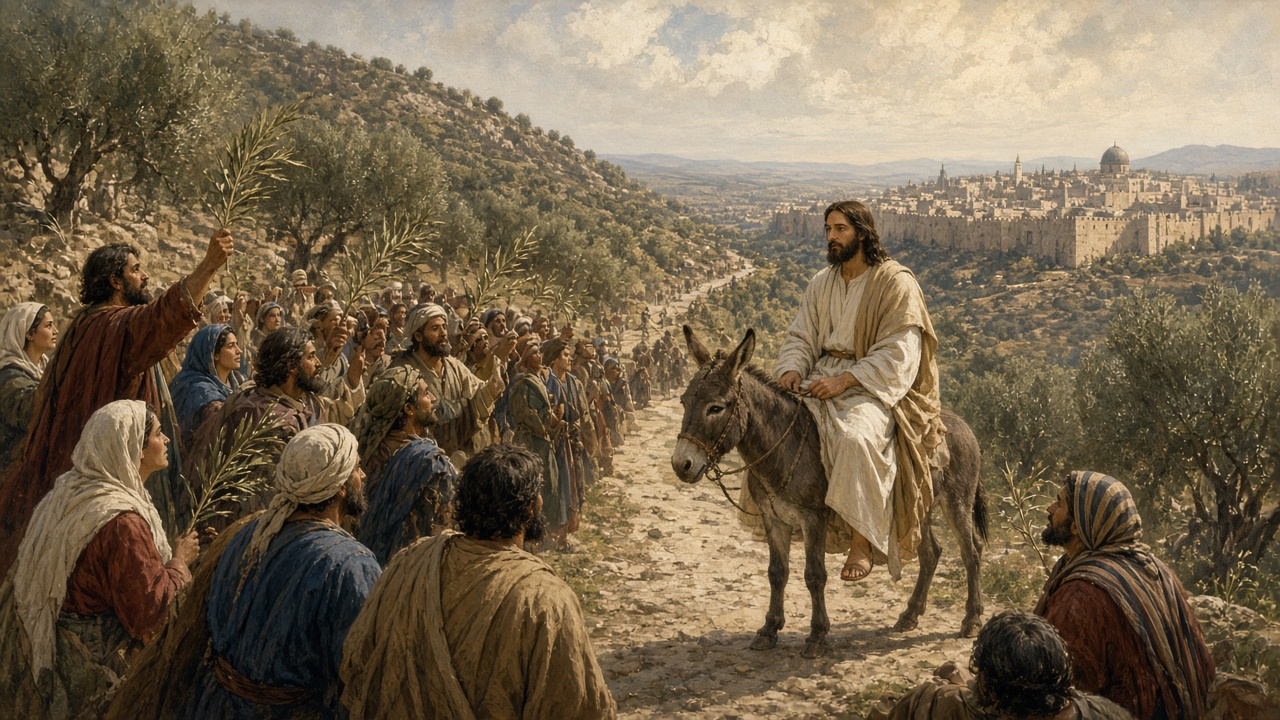
12Etoono efung behko ellong ane gbalee ba, ba go elkak kehm wuku re, Jisos kpꞌbake go Jeusalem. 13Owo bo kehm jake amang mbohng, tahm a nya re bo song wan-e. Bo kehm kehme elrabe re,
“Tehken Esowo!
Elfuulu li a nne no kpꞌbake go mbing nyi Jehova.
Elfuulu li a ntul no Israel!”
14Jisos nyehne mmombvankang no nse, kehm kuumu, ana bo nyono go nwer Esowo re,
15“Ka kpe fahl Jeusalem, mmon a Sayon.
Nyehn, ntul ewa kpꞌbake,
á kun go mmombvankang no nse.”
16Abatꞌtoono ebe wakem lennge bo ngare nyio. Eji Jisos ma bel ellub ene, owo bo kehm buumu re, edi nwer Esowo jio ji bo nyono bada Jisos. Eblohko jol ano ka-e.
17Ellong ane ba jolo o ngare nyi á lungu Lasaros go elahm, fere nyahm-e go elkv, bo ba yiimi Jisos ntianse. 18Owo wahnge ellong ane kame no re bo ba kpiri Jisos, tibre bo wuku re, ye wo ma lim nkpokosi nyio.
19Bab Farisi kehm bungu atemtem re, “Ń kpꞌnyehne re, ń nehm ma lim ejumjum. Nyehnen ana njini kpee ma tahm kp-e toono.”
Ana aneb Grik bandiki jo seb Jisos
20Anebe Grik bandiki woomo go ellong ni ane ba je elkak go Jeusalem re bo song kak Esowo. 21Anebe Grik bao kehm bake goji Filip ji lohng go Betsaida ji Galili, kehm ba tong-e re, “Nsoo, e kpꞌsebe re wahr nyehn Jisos.”
22Filip kehm tahme song tong Andru. Andru abola Filip, bo kehm tahme ano, song tong Jisos.
23Jisos kehm faange bo re, “Ngare ebrehng nyi Mmon no nne, bo bahk-e egburu ellub ka. 24Etingitingi, n kpꞌbungu tong-n re, Tohko tiki jol re mmohk eti fooro na gbo go ndi kpo, bahke sake ano ano. Lꞌkpo, bahke kabe akab gbalee. 25Nne no elkpin ene lꞌkor-e, á kpꞌtane na elkpin ene. Nne no elkpin ene lꞌsab-e go njini nyia, á kpꞌkuuru na elkpin ene bum go njinanjini. 26Nne awohng awohng no lꞌtong re á kp-m loko, á bahk-m tiki toono. Edi ji n li no, owo nlokeltum ewame bahke tob jol. Nne awohng awohng no lꞌlok-m, á bahke jo lub Nsoo.
Ana Jisos jo bung bade elkv ene
27“Anv, eltim ename kp-m gbiingi. M bahke bungu renan a? Lꞌli re me m bung re, ‘Nsoo, tahr-m go ngare nyiaa?’ Eꞌee, jꞌnehm ana ji wahnge m ba no re me m ba nyehn erem ngare nyia. 28Nsoo, lim, goji mbing enya lꞌbel ellub!”
Bo kehm soro wuk ellum go ejahbetul Esowo ni bungu re, “Me n lim re, mbing enyame bel ellub, m bahke kpe lim, kpe bel ellub.”
29Ellong ane ba yiimi kohlo o wꞌwuk ellum nio. Egom jindiki kehm bungu re, ndan ebta. Egom jindiki bungu re, enjel nyi ma bung a ne.
30Jisos kehm faange bo re, “Ellum nia a, ba tib go egahne esi, go egame esi sang wahnge. 31Anv wo li ngare nyi njini nyia yim go eti elam. Ngare nyia nyi ntubesi no njini nyia, bo bahk-e kame yake go. 32Ngare nyi bo ma-m kum go ejangnti, rod jahm, owo m bahke leebe ane kpee tv elname.” 33Jisos bungu ellum nia, goji á lꞌtib ane elkohn elkv ni á bahke kpoko.
34Ellong ane bao kehm-e faange re, “Wahr ebwuk go atahm nya Esowo re, Mesaya bahke jolo go njinanjini. Jen ji wahnge a kehm bungu re, Mmon no nne, bo bahk-e kumu go ejangnti, rod jahm? Nne awo li Mmon no nne?”
35Jisos kehm faange bo re, “Ellennge nia, li a nahne mmongare ntiil. Jo jenen, eji ellennge kpeke li, goji ejannge lꞌki-n kpiri. Nne no kpꞌjene go ejannge, á kpehme kahn edi ji á fi fi. 36Eji ellennge nia, kpeke li a nahne, taamen tv ellennge nia, eji ń lꞌjol abon ba ellennge.”
Jisos bungu kan a mal, á kehm tahme song seb edi biiri, eji bo lꞌki-e nyehn.
Ana Jisos jo bung bade ekꞌtaame ji Jus
37Jus tikem taame tv Jisos, jol eji á jo lꞌlim akpokosi gbalee, tib bo.
38Jia jolo, tib goji ellum ni nnyehnamahr Aisaya bungu no lꞌlohko jol go etingitingi, ni á bungu re,
“Ntul, nne awo ma taame tv etib ebahre?
Nne awo no Jehova m-e tib nsahm enye?”
39Tib go esi alum nyao, bo tikem ma taame. Tibre Aisaya kpe bung re,
40“Esowo ebwa bo amahr,
fere lim asi ebo tahne.
Ki li ano, kehn bo kpꞌnyehne go bo amahr,
fere kahn go bo a ntim, fere sennge,
feere go egame, eji n lꞌlim bo,
bo nob.”
41Aisaya bungu alum nyaa, tibre á nyehne ellub ni Mesaya, fere bung bada ne.
42Tvtv o, atubesi Jus gbalee tꞌtaame tv Jisos. Tib eji bo jo fahl Bab Farisi, bo joom bung gbul gbul gbuul, eji bo lꞌkꞌkam bo yehke go ero. 43Tibre ellub ni bo kpo ko goji atem, ni ni jo ga kor bo, sehnge ellub ni Esowo.
Alum nya Jisos jo bung jolo alum nya elam
44Jisos kehm kehme elbungu wahre wahre re, “Nne no lꞌtaame tv-m, á taamem tv me me, á tob taame tv nne no tum-m no. 45Nne no lꞌnyehn-m, yebnyehn nne no tum-m no. 46M ba go njini nyia ba jol ellennge, eji nne awohng awohng no lꞌtaame tv-m, á lꞌkꞌkpe sa go ejannge. 47Nne awohng awohng no lꞌwuk alum enyame, kꞌfere bum alum nyao, we n nehm lam. Tibre m baam re me m ba lam njini nyia. M ba na re me m ba tahre njini nyia.
48“Nne no lꞌten-m, kꞌko alum enyame, ye wo elam nong kp-e siki. Alum nya m ma bung a, nyanehm nya bahk-e lame go esꞌkohro efung. 49Tibre alum nya m bungu no, nyanyame sang. Nsoo no tum-m no, ye wo tong-m ji m bahke bungu, fere tib. 50N kpꞌkahne re, alum enye kpo ka elkpin ni li go njinanjini. Owo wahng ka n kpo bung ana Nsoo tong-m no re me m bung.”
¿Sabías que…?
La unción en Betania y la entrada en Jerusalén
- Betania, adonde Jesús llegó seis días antes de la Pascua, estaba a unas dos millas al este de Jerusalén, en la ladera sureste del monte de los Olivos, junto al camino a Jericó, y tomó su nombre de las palmeras que crecían allí. Era el hogar de Lázaro, a quien Jesús había resucitado de entre los muertos después de cuatro días en el sepulcro, y de sus hermanas Marta y María; los principales sacerdotes planearon matar también a Lázaro, porque por causa de él mucha gente estaba creyendo en Jesús.Fuentes: el propio texto bíblico · Bethany · Lazarus
- En una cena en la que Marta servía y Lázaro estaba reclinado a la mesa, María ungió los pies de Jesús con alrededor de una pinta de perfume costoso hecho de nardo puro y los secó con sus cabellos, de modo que la casa se llenó de la fragancia. Judas Iscariote, hijo de Simón, cuyo sobrenombre significa un hombre de Kerioth, preguntó por qué el perfume no se vendió por trescientos denarios para los pobres; era un ladrón que, como encargado de la bolsa, solía sacar de lo que se ponía en ella, y iba a traicionar a Jesús.Fuentes: el propio texto bíblico · Judas Iscariot · Simon
- Al día siguiente, la gran multitud que había venido para la fiesta tomó ramas de palma y salió al encuentro de Jesús, que venía a Jerusalén sentado en un burrito, gritando alabanza al Rey de Israel, como está escrito acerca de la Hija de Sion. Sion era la colina sureste de Jerusalén, donde David construyó una ciudadela y un palacio después de tomarla, de modo que llegó a ser la ciudad de David. Al principio sus discípulos no entendieron estas cosas, pero después de que Jesús fue glorificado recordaron que también habían sido escritas acerca de él.Fuentes: el propio texto bíblico · Zion
Notas escritas con ayuda de IA a partir de fuentes abiertas (Theographic Bible Metadata, CC BY-SA 4.0; Easton’s Bible Dictionary, dominio público) y revisadas antes de publicarse.
Lugares de este capítulo
- Jerusalem · 31.777, 35.234 · versículos 11, 12, 20
- Zion · Hoy: Jerusalem · 31.777, 35.234 · versículo 15
- Galilee · 32.760, 35.527 · versículo 21
Solo aparecen lugares identificados con alta confianza (90 % o más según las fuentes académicas reunidas por OpenBible). Mapa de la época: DARE (Digital Atlas of the Roman Empire), CC BY 4.0; mapa actual: © colaboradores de OpenStreetMap; lugares: OpenBible.info (CC BY 4.0).
Créditos y licencia de esta traducción
Ekajuk Scriptures Bible Portions
Ekajuk: Ekajuk Scriptures Bible Portions (Bible)
copyright © 2024 Luke Initiative for Scripture Translation and The Seed Company
Language: Ekajuk
Contributor: Luke Initiative for Scripture Translation
This translation is made available to you under the terms of the
Creative Commons Attribution Share-Alike license 4.0.
You have permission to share and redistribute this Bible translation in any format and to make reasonable revisions and adaptations of this translation, provided that:
You include the above copyright and source information.
If you make any changes to the text, you must indicate that you did so in a way that makes it clear that the original licensor is not necessarily endorsing your changes.
If you redistribute this text, you must distribute your contributions under the same license as the original.
Pictures included with Scriptures and other documents on this site are licensed just for use with those Scriptures and documents.
For other uses, please contact the respective copyright owners.
Note that in addition to the rules above, revising and adapting God's Word involves a great responsibility to be true to God's Word. See Revelation 22:18-19.
2025-07-02
Fuente: http://ebible.org/eka/ · eBible.org