1 Samuel 15
Ekajuk Scriptures Bible Portions · Toca un versículo para ver sus referencias cruzadas.
Jehova Tene Sol Ana Ntul
1Samuel kehm bungu tong Sol re, <<Me wo li nne no Jehova tumu re me n ba kak-a akehng go esi wo jol ntul ka ane ebe Isreel; Anv, wuungu atung go etib bi lohng goji Jehova. 2Ji ji a ji Jehova ji Kpˈfili Elbung a Ndi kpˈbungu: <M bahke kake anebe Amalek erem go ejum ji bo limi anebe Isreel, eji bo biiri sik bo go mbang, eji bo lohngo go Ijib jo tahm. 3Anv song wo song nok a anebe Amalek, rannge ejum ajehng ajehng ji li ka bo kpee. Ka yake bo, wul aneblum, a anebkal, a abonse, a abonbili, adahmagbudu a ejoro, akamel a ebvankang.>>
4Owo Sol kehm lungu aneblum, bo ba kono, fere fange bo go Telem- nsoja nyi jo jen akpade jolo ane atahl alon alon nkpel tahltahl nkpel elon,(200,000) ane atahl alon alon nkpel atahl alon,(10,000) nyi lohngo Juda. 5Sol kehm tahme go ejahbe anebe Amalek song biiri sik bo go edamme. 6Owo á kehm tongo anebe Ken re, <<Lohngen song yaken anebe Amalek eji n lꞌki-n tob rannge semme a bo, tibre ń tibi anebe Isreel nnoobo eljini eji bo lohngo go Ijib jo ba.>> Ano wo anebe Ken kehm tahme lohng anebe Amalek sa.
7Sol kehm noko ebta a anebe Amalek ga bo, bomo go Havila tete rehng go Sur, kohlo nkonandi ero nfam nyi Ijib. 8Á bobo Agag ntul no anebe Amalek mbir mbir kehnge a ne, á wulu ane ebe kpee go ekahngkahng. 9Wo Sol a nsoja enye wulem Agag a ejoro bi nno, a adahmagbudu, agburu efong, a abonjoro, ejum ajehng ajehng ji jolo ji nno. Nyaa joom kor bo re bo rannge kpee, wo ejum ajehng ajehng ji bo ma ten, a nya li lenge lenge, bo rannge kpee.
10Owo Jehova kehm bungu tong Samuel re: 11Me n gbo ntir re n tohko na bob Sol etul, tibre á ma-m sennge njahm, á limem ana n tib-e no,<< Samuel bele erakatahng, á lingi tob Jehova atv mao kpee.
12Efungfu behre behre Samuel kehm lohngo tahm re á song kpiri Sol, wo bo tong-e re, <<Sol ebtahm go ejahbe Kamel. Yebmong ejum bum elne ji bo bahke jo buum-e, fere soro o tahm go Gilgal.
13Eji Samuel kpir-e no, Sol bungu re, <<Jehova fuul-a! Me n lim nsol nyi Jehova tongo no.>>
14Wo Samuel re, <<Jenji wahnge n kpꞌwuku ebiingi ejoro go egame atung?>> fere wuk ebiingi adahmagbudu?
15Sol faange re, <<Nsoja nyi ko bo goji anebe Amalek, bo yake atingi ejoro, a adahmagbudu re bo ko ba lim njom ka Jehova Esowo ebahne, wo nsol nyehko e rannge kpee.>>
16Samuel kehm tongo Sol re, <<Ebgbal! nong me tong-a ji Jehova bungu no tong-m nyaane atv.>>
Sol kehm faange re, <<Tong-m me.>>
17Samuel re, <<Jol tvtv o, eji a jolo nne no kpꞌseke ega esamahr, anv wo sang ma jol ntubesi go atꞌtohngo nya anebe Isreela? Jehova kak-a akehng go esi re wo jol ntul ka anebe Isreel. 18Á fere tum-a eltum re, <Song, wo song rannge anebe Amalek, aneb eblum bao, nok ebta a bo tete wo nyehn re wob feenge bo kpee yehke. 19Jenji wahnge a ki kpunu ji Jehova bungu no? Jenji wahnge a song da nsol fere lim abꞌbi go esamahr bi Jehova?
20Sol re, <<N wꞌwuk Jehova, n jꞌje eltum ni Jehova tum-m no, n lꞌlohko rannge anebe Amalek, n ko Agag ntula bo kehnge a ne. 21Nsoja daa ejoro, a adahmagbudu, atingi nya bo yehke no ka Esowo, eji bo lꞌko ba lim njom ka Jehova Esowo eba go Gilgal.
22Wo Samuel faange re, <<Wo kpꞌtiri re Jehova kpo bel eyebatahng go njom nyi eljahme fia a ajomjom yako, sehnge re nne kak Jehovaa? Etingitingi, ekake nne ji ga gbal sehnge njom alimi, ewuku nne gbale sehnge afom ekom.
23Tibre abiafem nya a kpˈnoko a Jehova li ana aje alimi, elkuudu li ana abiafem eblom ajomo, tib eji a ma ten ellum ni Jehova, á ma-a tob ten ana ntul.>>
24Owo Sol kehm tongo Samuel re, <<Me n lim abiafem. Me n daange ntahm nyi Jehova a elle ena. N jo fꞌfahl aneblum bao, owo wahnge n limi ji bo tong-m no. 25Anv, n kp-a gboongo, tahm ka-m egame abiafem, wo fere ba toon-m, eji n lꞌsong kak Jehova.>>
26Wo Samuel tong-e re, <<N nehm feere ba toon-a, wob ten ellum ni Jehova, Jehova ma-a tob ten ana ntul no anebe Isreel.>>
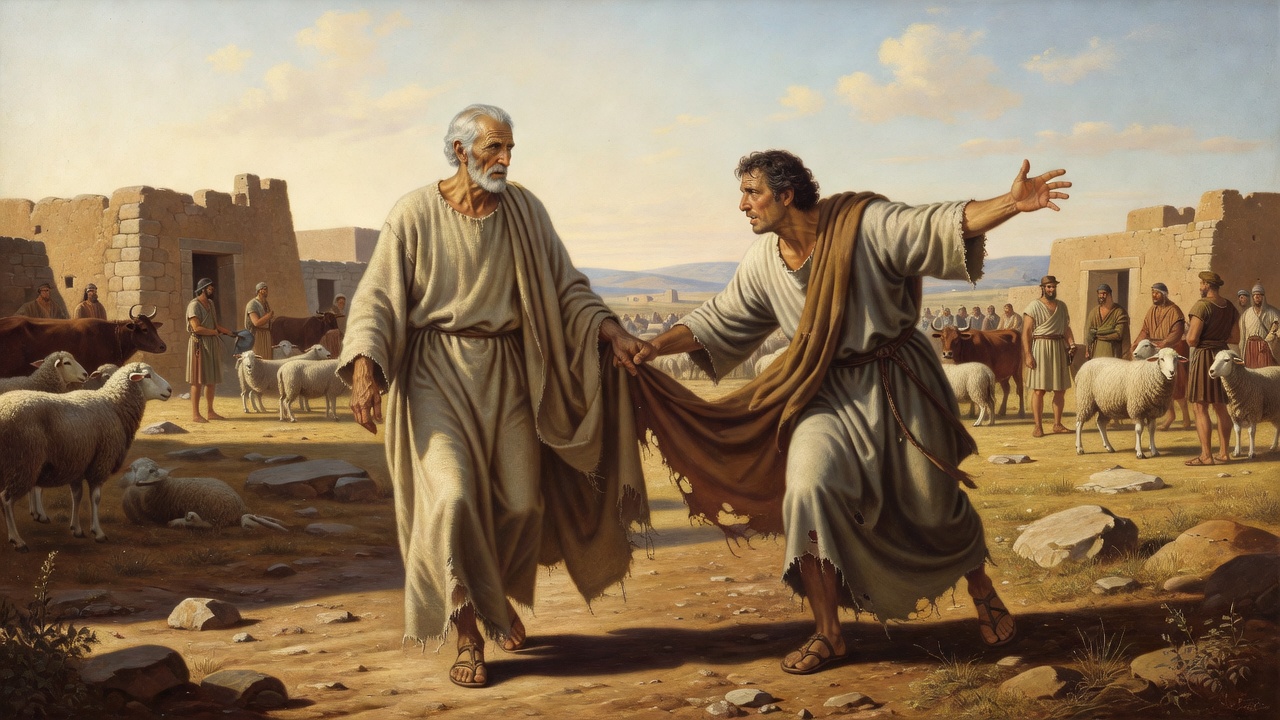
27Ana Samuel sennge re á tahm, Sol soro jabbe esꞌsili ekpawobo eje, soro yare. 28Samuel kehm-e tongo re, <<Jehova ebyare etul bi Isreel go ega lela, yebrod ka nnebjing ewa no nobo sehnge wo. 29Go nsol kpee ye wo li ellub ni anebe Isreel, efahnge á kpehme kim, afi yaange ntir enye, tibre ye nne sang no bahke yaange ntir enye.>>
30Sol kehm faange re, <<Me n lim abiafem. Titi kpun-m go esamahr anebkul ane ebame, a anebe Isreel, feere toon-m ba eji n lꞌsong kak Jehova ye ji li Esowo eba.>> 31Owo Samuel kehm feere toono Sol, Sol song kak Jehova.
32Samuel kehm bungu re, <<Koon Agag ntul no anebe Amalek ba ka-m, Agag lohngo ba agbekobo go ebo. Á tiri re elmaange ni elkv ebsehng.>>
33Wo Samuel bungu rea, <<Ana ekahngkahng eba ma lim anebkal ki kpe kpi abon, ano wo nne no wa, bahke tob sa abon go ellong anebkal.>> Samuel wulu Agag go esamahr bi Jehova go Gilgal.
34Samuel mehl tahm go Rama, wo Sol mehle eje kehnge go ege etahk go Gibea ejahbe eje. 35Tete efung bi Samuel kpo no, á kpeem tiki je song nyehn Sol, jol tvtv o Samuel jo lingi Sol gbalee. Jehova gbo ntir re á jolem limi Sol jol ntul no anebe Isreel.
¿Sabías que…?
La desobediencia y el rechazo de Saúl
- Los amalecitas eran un pueblo pastoril y nómada que habitaba las tierras áridas entre Havila y Shur, en la frontera de Egipto. Su conflicto con Israel comenzó cuando emboscaron a los israelitas tras la salida de Egipto, lo cual constituye el trasfondo del juicio ordenado en este capítulo.Fuentes: el propio texto bíblico · Amalek · Shur
- Gilgal era un importante centro religioso y judicial donde Samuel administraba justicia periódicamente y ofrecía sacrificios. Saúl se congregó en Gilgal tras la batalla contra Amalec, convirtiendo este lugar en el escenario donde Samuel declaró que Dios había rechazado a Saúl como rey de Israel.Fuentes: el propio texto bíblico · Gilgal
- El nombre Agag era un título o nombre hereditario utilizado por los reyes de los amalecitas. Aunque Saúl perdonó la vida a Agag y lo mejor del ganado en contra de las instrucciones, Samuel ejecutó el juicio contra el rey cautivo en Gilgal.Fuentes: el propio texto bíblico · Agag · Amalek
Notas escritas con ayuda de IA a partir de fuentes abiertas (Theographic Bible Metadata, CC BY-SA 4.0; Easton’s Bible Dictionary, dominio público) y revisadas antes de publicarse.
Lugares de este capítulo
- Amalek · 30.648, 34.422 · versículos 2, 3, 5, 8, 20, 32
- Egypt · 30.129, 31.308 · versículos 2, 6, 7
- Havilah · Hoy: in the Arabian Peninsula · 23.000, 46.000 · versículo 7
Solo aparecen lugares identificados con alta confianza (90 % o más según las fuentes académicas reunidas por OpenBible). Mapa de la época: DARE (Digital Atlas of the Roman Empire), CC BY 4.0; mapa actual: © colaboradores de OpenStreetMap; lugares: OpenBible.info (CC BY 4.0).
Créditos y licencia de esta traducción
Ekajuk Scriptures Bible Portions
Ekajuk: Ekajuk Scriptures Bible Portions (Bible)
copyright © 2024 Luke Initiative for Scripture Translation and The Seed Company
Language: Ekajuk
Contributor: Luke Initiative for Scripture Translation
This translation is made available to you under the terms of the
Creative Commons Attribution Share-Alike license 4.0.
You have permission to share and redistribute this Bible translation in any format and to make reasonable revisions and adaptations of this translation, provided that:
You include the above copyright and source information.
If you make any changes to the text, you must indicate that you did so in a way that makes it clear that the original licensor is not necessarily endorsing your changes.
If you redistribute this text, you must distribute your contributions under the same license as the original.
Pictures included with Scriptures and other documents on this site are licensed just for use with those Scriptures and documents.
For other uses, please contact the respective copyright owners.
Note that in addition to the rules above, revising and adapting God's Word involves a great responsibility to be true to God's Word. See Revelation 22:18-19.
2025-07-02
Fuente: http://ebible.org/eka/ · eBible.org