1 Timoteo 2
Nan kalen apo Dios (Nan fiarú ay turag) · Toca un versículo para ver sus referencias cruzadas.
Nan Maepangkep As Nan Panagkararag
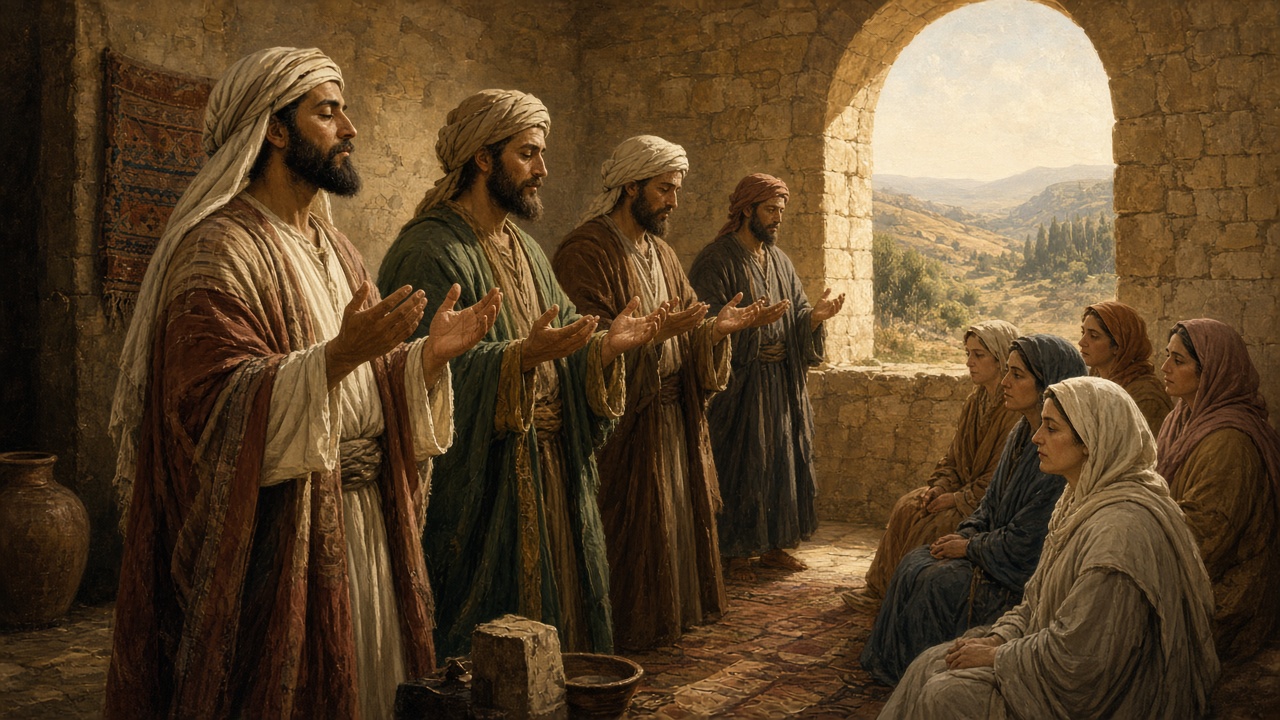
1Nauy pay nan ifiakiak kan he-a. Nan omona at masapor ay ekarkararakian takú nan am-in ay tataku. Chumawat ya munyaman takú kan Apo Dios para kan chicha. 2Ekararakian takú us nan ar-ari ya nan am-in ay tapina ay wacha as nan nangatu ay saad ta natalna ya nadiosan nan panagfiyag takú as nan cha takú munserserfiyan kan Apo Dios ya mangun-unuchan as nan ustu ay ukiali. 3Ammay mu assesa nan atun takú, tay omepalaylayad kan Apo Dios ay Mangesarakan kan chitaku. 4Laraychuna as solet ay maesarakan nan am-in ay tataku ya maammuwancha us nan tit-iwa maepangkep kan hiya. 5Tay us-usa nan Apo Dios ya us-usa nan nuntotong-an nan tataku ya kan Apo Dios. Hiya hi Cristo Jesus ay nunfialin as taku. 6Inchatna nan achorna ta mawayawayaan nan am-in ay tataku. Naekaman na as nan ustu ay timpu ay pinilen Apo Dios, ya hiyachi nan kail-an nan layadna ay maesarakan koma nan am-in ay tataku. 7Isunga piniliyak kan Jesus as usa ay apostolna ya mun-ekaskasaba ta uyku isuru as nan chiyuycha Gentil nan tit-iwa ay maepangkep kan hiya ta omafurotcha. Chak ifiakia nan tit-iwa. Achiyak cha munkutkutum.
8Laraychok ngarud ay nan lanaraki nan mangepanguru as kararagyu henan am-in ay maam-amongan nan chiyuycha omaafurot kan Cristo, ngem masapor napudnucha kan Apo Dios, ya maid fungfungatcha winnu maid makisumsumaancha as nan mangetag-uyancha as limacha ay munkararag.
9Kun pay us nan fianafiai, laychok us koma ay munfiachucha as nan maifiakiay ay fiachu kan chicha, fiakun nan chiyuy kafiafiain. Achicha koma labsun ay mang-ar-arkos as fookcha as fialetok winnu perlas, ya achicha munfiachu as nunkangina. 10Kuncha at koma ekaman nan anam-ammay, tay chatona nan ustu ay cha atuatun nan fianafiai ay mangali un nadiosan chi panagfiyagcha. 11As nan chumngoran nan fianafiai as nan kalen Apo Dios, masapor kumikinakcha ay mun-achar, ya kuncha yangkiay epapanaag nan cha maisursuru. 12Achek eparufus ay isuruwan ya etorayan nan fianafiai nan lanaraki. Masapor kuncha kumikinak. 13Tay hi Adan nan enmon-ona ay finayang Apo Dios, haat hi Eva. 14Fiakun hi Adan nan naallilaw, ngem nan fiafiai ay asawana. Isunga nan fiafiai nan enmon-ona ay finmasor kan Apo Dios. 15Hiyana nan kiapúna ay mapalikiatan nan fianafiai ay omanak. Ngem maesarakancha challu mu iturturuycha ay omafurot kan Apo Dios, manglaylayad as nan pachongcha ay taku, mangunud as nan nasantowan ay panagfiyag, ya naannadcha's nan chacha at-atun.
¿Sabías que…?
Oración, adoración modesta y Adán y Eva
- Este capítulo exhorta a que se ofrezcan peticiones, oraciones, intercesiones y acciones de gracias por todas las personas, incluidos los reyes y todos los que están en autoridad, para que los creyentes puedan llevar una vida tranquila y sosegada, con toda piedad y dignidad. También dice que hay un solo Dios y un solo mediador entre Dios y los hombres, el hombre Cristo Jesús, que se entregó como rescate por todos.Fuentes: el propio texto bíblico
- Cuando la carta dice que Adán fue formado primero, y después Eva, apela al primer hombre del Génesis. El Easton's Bible Dictionary (1897) explica que Adán es una palabra babilónica que significa 'rojo', el nombre genérico de hombre, con el mismo sentido en hebreo y en asirio, y que fue formado del polvo de la tierra.Fuentes: el propio texto bíblico · Adam
- La carta dice que no fue Adán quien fue engañado, sino la mujer, que fue engañada y cayó en transgresión. El Easton's Bible Dictionary (1897) dice que Eva significa 'vida' o 'viviente', el nombre que Adán dio a su esposa, y que el relato de su creación se encuentra en Génesis 2:21-22.Fuentes: el propio texto bíblico · Eve
Notas escritas con ayuda de IA a partir de fuentes abiertas (Theographic Bible Metadata, CC BY-SA 4.0; Easton’s Bible Dictionary, dominio público) y revisadas antes de publicarse.
Créditos y licencia de esta traducción
Nan kalen apo Dios (Nan fiarú ay turag)
New Testament in Bontok, Eastern
copyright © 2003 Wycliffe Bible Translators, Inc.
Language: Eastern Bontok (Bontok, Eastern)
Translation by: Wycliffe Bible Translators, Inc.
Copyright Information
© 2003, Wycliffe Bible Translators, Inc. All rights reserved.
This translation text is made available to you under the
terms of the Creative Commons License: Attribution-Noncommercial-No Derivative Works.
( http://creativecommons.org/licenses/by-nc-nd/3.0/ )
In addition, you have permission to port the text to different file formats, as long as you
do not change any of the text or punctuation of the Bible.
You may share, copy, distribute, transmit, and extract portions
or quotations from this work, provided that you include the above copyright
information:
You must give Attribution to the work.
You do not sell this work for a profit.
You do not make any derivative works that change any of the actual words or punctuation of the Scriptures.
Permissions beyond the scope of this license may be
available if you contact
us with your request.
The New Testament
in Bontok, Eastern
© 2003, Wycliffe Bible Translators, Inc. All rights reserved.
This translation is made available to you under the terms of the
Creative Commons Attribution-Noncommercial-No Derivatives license 4.0.
You may share and redistribute this Bible translation or extracts from it in any format, provided that:
You include the above copyright and source information.
You do not sell this work for a profit.
You do not change any of the words or punctuation of the Scriptures.
Pictures included with Scriptures and other documents on this site are licensed just for use with those Scriptures and documents.
For other uses, please contact the respective copyright owners.
2014-08-06
Fuente: http://ebible.org/ebk/ · eBible.org