Efesios 6
Beibel: okanisi tongo · Toca un versículo para ver sus referencias cruzadas.
Fa dda anga mma mu // libi anga pikin
1We, den pikin mu teke den dda anga den mma taki. Bika a pikin ya toon sama fu Masaa Jesesi, da na so fiti fu a libi. 2Bika Masaa Gadu Buku be sikiifi a fesi fu a fosi weiti di waka anga wan paamisi a ini den tin weiti. A weiti de taki: “I mu lesipeki i mma anga i dda.” 3Da ai go doo taki: “Da Masaa Gadu o meke sani waka bun gi yu. Soseefi a o gi yu langa libi a goontapu tu.”
4Dada ná dwengi i pikin fu soso tu, fu meke a daai kon buuse yu. Ma leli a pikin fu saka teke taki, fu a sa waka leti. Soi a pikin ala fa fu waka fiti Masaa Jesesi.
Saafu anga gaan masaa
5De saafu a katibo! U saka u seefi a den gaan masaa fu u ondoo e teke den taki. Lesipeki den, fu waka kenisi sondee taanga yesi gi en. Wooko gi en anga yu hii ati taki enke na Kelestesi yu e dini sowan fasi. 6Da yu á mu wooko enke na libisama yu e suku fu piisii, te den ain de a yu tapu namo. Ma wooko enke na Kelestesi yu e dini, meke yu e wooko anga yu hii ati ala yuu. Na so Masaa Gadu wani. 7We, da te yu de saafu a katibo, da poti yuseefi wooko anga yu hii ati. Bika fa a de, da a ná fu sama ede meke yu e wooko bun so, ma na Kelestesi yu e dini sowan fasi. 8Bika sabi taki, sama di de saafu a katibo ofu sama di de fiiman, Masaa Gadu paamisi fu pai ibiiwan fu bun di a du.
9We, gaan masaa fu saafu! Luku bun fa yu e wooko anga yu saafu. Wooko switi anga den, fu piisii Masaa Gadu. Kaba pii ain dwengi den anga sitaafu. Bika sabi taki, a tuutuu gaan Masaa fu wi ala de a Masaa Gadu Kondee a tapu. Dati nái keli taawan bigi moo taawan. Te a kai fu a kuutu, da ai kuutu ibiiwan anga leti, winsi na saafu ofu na sama di á de a saafu.
Feti sani fu feti didibii
10We, fosi mi tapu a biifi ya, da mi e sende u fu taampu taanga fitoow Masaa Jesesi. Teke en taanga lai yu libi, fu gi yu makiti fu feti biibi fasi. 11Da teke feti sani di Masaa Gadu gi wi fu feti biibi fasi. Meke te didibii kon muliki yu anga den somen takuu koni fi en fu koli yu kisi, yu sa poi feti baka. 12Bika a hii suwa anga feti fu wi, a á de anga libisama sikin anga buulu. Ma anga basi di e tii taawan anga makiti di hei ofu lagi moo taawan anga gaan bigiman di e ligei a dunguu goontapu ya anga ala sowtu takuu jeje di lontu goontapu, te doo a pisi fu tapu anda.
13Da na dati meke u mu teke den feti sani di Masaa Gadu gi wi, fu kibii useefi. Da te didibii wani du ogii anga wi, da u sa poi taampu sondee fu a towe wi. Na so u mu feti doo kaba fu a feti. Da u taampu kankan enke winiman. 14Da sete iseefi! Enke suudati banti mindii e go a feti. Dati na te wi sabi a tuutuu leli fu Masaa Gadu. Enke suudati teke insii sani wei kibii boo fu ati. Dati na te u du san bun gi Masaa Gadu doo. 15Soseefi sete iseefi enke suudati wei a susu fu waka soi taawan a Bun Nyunsu di e tyai sama ati kon de switi. 16Enke suudati tyai insii sani fu tapu lai. Dati na te u poti fitoow a Masaa Gadu. Da ai tapu faya lansi di didibii e sutu kon taki, ai tyai poli sani kon a yu fusutan, fu du ogii. 17Da enke suudati wei taanga ati fu kibii en ede peesi. Dati na te u tei ati oli biibi doo. Bika didibii e suku fu koli u kisi anga lei fi en. Ma, da u sa poi piki en anga wowtu fu Masaa Gadu di a Apaiti Jeje poti gi u. Da dati e koti didibii enke saapu fetihow di suudati e tyai fu koti feyanti kii. 18We, soseefi, da taampu anga begi naamo. Begi ala yuu na a fasi di Masaa Gadu Apaiti Jeje e piki yu. Da luku naamo sowtu yeepi de fu begi gi ala taawan di Masaa Gadu teke poti apaiti fasi. Noiti weli fu begi gi taawan so.
19U begi gi mi tu, meke Masaa Gadu yeepi mi, fu mi sa opo mofu soi a tuutuu fasi, di Masaa Gadu fiti poti a Bun Nyunsu. Meke a poti wowtu a ini mi mofu fu taki sondee feele, fu den kon fusutan. Bika na sani di noiti a fesi sama be sabi wanten. A be de wan kibii toli. 20Bika mi wooko enke apaiti bosikopuman na fu soi sama dati. Na fu dati meke den kisi mi sooto ya. Da begi fu mi sa fende yeepi, fu wooko sondee feele, fu poi soi ala dati enke fa a mu de.
Den kiiboi bosikopu
21We, mi e sende Tikikesi kon luku u anda, fu taigi u fa sani e go anga mi ya. U ala sabi en enke wan lobi biibi baala. A de wan wookoman di e wooko fitoow fasi fu dini Masaa Gadu. 22Na dati meke, mi akisi en, fu kon luku u anda gi mi. Fu tuu, te a kon, da a sa taigi u fa ai go anga u biibiwan dise. Soseefi, a sa puu pantan di u abi anda, fu fa sani e go anga wi dise.
23We, mi e begi u Tata, Masaa Gadu anga Masaa Jesesi Kelestesi, meke u ala di teke biibi anda ati sa de switi. Soseefi fu u ati sa opo lobi useefi makandii. 24Mi e begi Masaa Gadu di poti u fu wi lobi Masaa Jesesi Kelestesi tego, fu tan teke gaan bun ati fasi namo luku u.
¿Sabías que…?
Deberes del hogar, la armadura de Dios y Tíquico
- Este capítulo presenta el mandato de honrar al padre y a la madre como el primer mandamiento que trae una promesa: que a uno le vaya bien y que tenga larga vida sobre la tierra. También pide a los padres que no provoquen a ira a sus hijos, sino que los críen en la disciplina y la instrucción del Señor.Fuentes: el propio texto bíblico
- El capítulo dice que la lucha no es contra sangre y carne, sino contra gobernantes, autoridades, los poderes de las tinieblas de este mundo y las fuerzas espirituales del mal en las regiones celestiales. Se invita a los lectores a tomar toda la armadura de Dios —cinturón de la verdad, coraza de la justicia, pies calzados con la prontitud del evangelio de la paz, escudo de la fe, casco de la salvación y espada del Espíritu, que es la palabra de Dios— para mantenerse firmes cuando llegue el día del mal.Fuentes: el propio texto bíblico
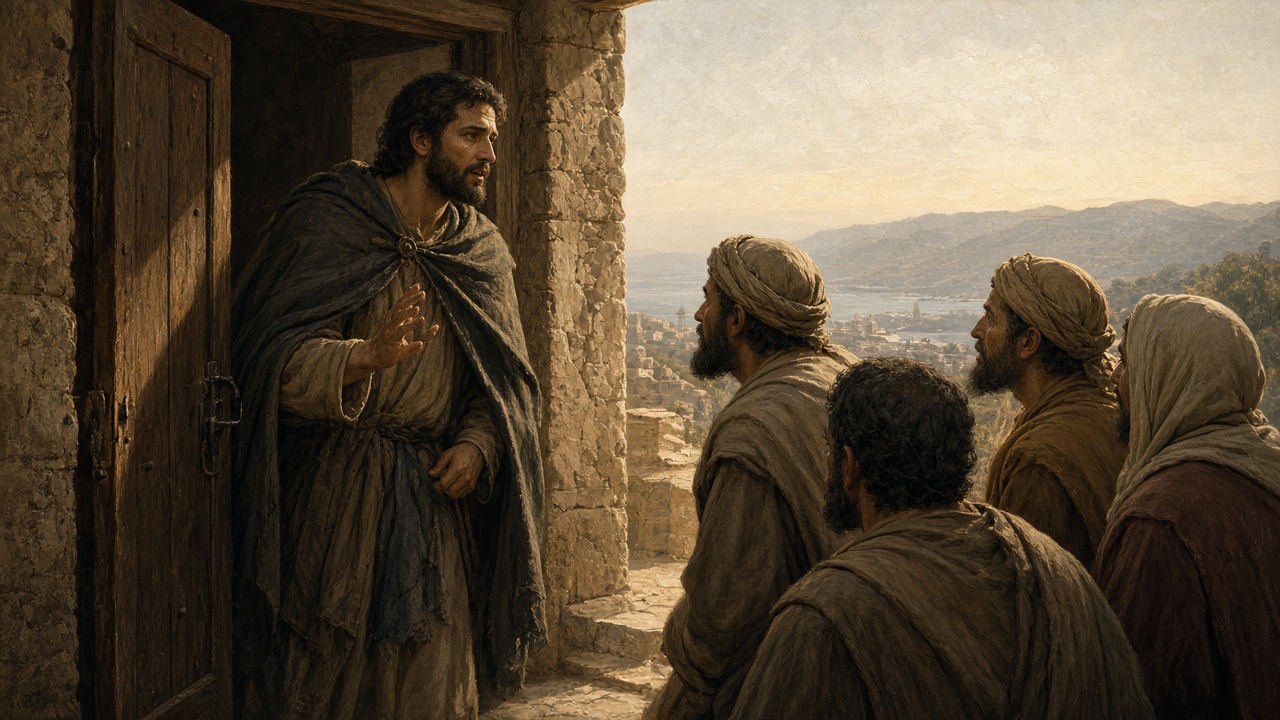
- Quien escribe pide oración para anunciar el evangelio sin miedo, como embajador en cadenas, y envía a Tíquico, el hermano amado y siervo fiel en el Señor, para contar a los lectores cómo está y animarlos. A Tíquico se lo describe como un cristiano de Asia que, con Trófimo, acompañó a Pablo en parte del viaje de Macedonia a Jerusalén y estuvo con Pablo en Roma, desde donde fue enviado a Éfeso, probablemente para edificar y animar a la iglesia.Fuentes: el propio texto bíblico · Tychicus
Notas escritas con ayuda de IA a partir de fuentes abiertas (Theographic Bible Metadata, CC BY-SA 4.0; Easton’s Bible Dictionary, dominio público) y revisadas antes de publicarse.
Créditos y licencia de esta traducción
Beibel: okanisi tongo
New Testament in Eastern Maroon Creole (NS:djk:Eastern Maroon Creole)
copyright © 2009 Wycliffe Bible Translators, Inc.
Language: Eastern Maroon Creole
Translation by: Wycliffe Bible Translators, Inc.
Eastern Maroon Creole
djk
Suriname
Copyright Information
© 2009, Wycliffe Bible Translators, Inc. All rights reserved.
This translation text is made available to you under the
terms of the Creative Commons License: Attribution-Noncommercial-No Derivative Works.
( http://creativecommons.org/licenses/by-nc-nd/3.0/ )
In addition, you have permission to port the text to different file formats, as long as you
do not change any of the text or punctuation of the Bible.
You may share, copy, distribute, transmit, and extract portions
or quotations from this work, provided that you include the above copyright
information:
You must give Attribution to the work.
You do not sell this work for a profit.
You do not make any derivative works that change any of the actual words or punctuation of the Scriptures.
Permissions beyond the scope of this license may be
available if you contact
us with your request.
The New Testament
in Eastern Maroon Creole
© 2009, Wycliffe Bible Translators, Inc. All rights reserved.
This translation is made available to you under the terms of the
Creative Commons Attribution-Noncommercial-No Derivatives license 4.0.
You may share and redistribute this Bible translation or extracts from it in any format, provided that:
You include the above copyright and source information.
You do not sell this work for a profit.
You do not change any of the words or punctuation of the Scriptures.
Pictures included with Scriptures and other documents on this site are licensed just for use with those Scriptures and documents.
For other uses, please contact the respective copyright owners.
2014-04-22
Fuente: http://ebible.org/djkNT/ · eBible.org