Romanos 16
Lëk yam · Toca un versículo para ver sus referencias cruzadas.
Paulo ë kɔc Roma muɔ̈ɔ̈th
1Awiëc ba lɛ̈k we, lɔn nyankäida Pobï luui akut kɔc cï gam Kankëria ë raan path. 2Luɔrkë cïmën raan Bänyda, ku cït tɛ̈ ye kɔc Nhialic röt luɔr thïn kamken, ku yiëkkë kuat kuɔɔny bï thiëëc tënë we. Yeen ë path tënë kɔc juëc, ayï ɣɛn aya.
3Ɣɛn ë Prithkila ku Akuila, kɔc cï röt mät ɣa buk luui rin Jethu raan cï lɔc ku dɔc, muɔ̈ɔ̈th apɛi, 4kɔc këc diɛɛr kë bï ke nɔ̈k riɛnkiɛ̈. Ɣɛn amit puɔ̈u tënë ke apɛi. Ku acie ɣɛn ë rot, akuut kɔc cie kɔc Itharel cï gam aa mit puɔ̈th aya. 5Ɣɛn akut kɔc cï gam, yenhom mat panden, muɔ̈ɔ̈th aya.
Ɣɛn ë mäthdiɛ̈ Epanetuth, raan cï Raan cï lɔc ku dɔc kaŋ gam wun Athia, 6ku Maria raan cï luui apɛi riɛnkun, aaca muɔ̈ɔ̈th aya. 7Andronikuth ku Juniɛth, kɔc Itharel cïmëndiɛ̈, wäär cï mac ke ɣa aaca muɔ̈th aya. Keek aa ŋic apɛi rin ye kek atuuc aya, ku kek aake kɔŋ gam tënë ɣa. 8Miäthdiɛ̈ tënë Ampliatuth, yeen ë mäthdiɛ̈ apɛi, ku yeen acï rot mät Bɛ̈ny. 9Muɔ̈th tënë Urbano, raandan lui rin Raan cï lɔc ku dɔc. Ku muɔ̈th aya tënë mäthdiɛ̈ apɛi, Ithakith. 10Muɔ̈th tënë Apeleth, raan cï tɛ̈ kɛ̈ɛ̈c yen thïn kek Raan cï lɔc ku dɔc nyuɔɔth käril yiic. Ku muɔ̈th tënë kɔc many Arithtobuluth. 11Muɔ̈th tënë Ɣërodiön raandan Itharel ku wämäthakua, kɔc cï gam many Narkithuth.
12Miäthdiɛ̈ tënë Tripina ku Tripotha, diäär cï luui rin Bɛ̈ny ku tënë mäthdiɛ̈ apɛi Perthith raan cï luɔidït looi rin Bɛ̈ny. 13Ɣɛn ë muɔ̈th tuɔ̈c Ruputh raan ŋic luɔide apɛi rin Bɛ̈ny ku tënë man, raan ɣɛn kony akölaköl ciɛ̈t ɣa ye manhde. 14Miäthdiɛ̈ tënë Athinkrituth, Plegon, Ɣermath, Patrobath, Ɣermath ku wämäthakua ëbën cï gam rɛ̈ɛ̈r ke ke. 15Muɔ̈th tënë Pilologuth ku Julia ku tënë Nerioth kek nyankën, ku tënë Olimbath ku tënë kɔc cï gam rëër kek ë tök. 16Miäthkë röt kamkun puɔ̈u ëbën. Akuut kɔc cï gam ëbën aa we tuɔ̈c miäthden wek akut kɔc cï gam Roma.
Paulo ë kɔc tɔ̈ Roma lɛ̈k kë dhilkë looi
17Wek aa lɛ̈k apɛi wämäthkiɛ̈ bäk nhïïm tïr kɔc ë kɔc tek yiic, ku rɛckë kɔc nhïïm bïk gamden cïï muk apath, kɔc cïï piɔ̈ɔ̈cden ë thöŋ kek tɛ̈ cï we piɔ̈ɔ̈c thïn, duɔ̈kkë röt ye thiäk ke. 18Rin kɔc käkkä looi aacie luui rin Raan cï lɔc ku dɔc Bänyda, aa lui riɛnken ë röt. Aa wël mit apɛi lueel, ku aa kɔc cïn kärɛc yekë ke looi wëëŋ. 19Acï raan ëbën piŋ yen tɛ̈ muk wek wɛ̈t yam cäk gam thïn. Këya wek aa ɣa cɔl amit puɔ̈u apɛi. Awiëc bäk käpath ku kärɛc kaŋ ŋic, ku bäk käpath aa ŋic ku duɔ̈kkë röt cɔl aaye tɔ̈u luɔi kërac yic. 20Ku Nhialic yen ye ɣok dɔ̈ɔ̈r yök thïn abï riɛl jɔŋrac rac, ku cɔl adhuk wecök ciëën.
Ɣɛn arɔ̈ɔ̈k bï Bänyda Jethu raan cï lɔc ku dɔc la tueŋ ke nyuth we dhɛ̈ɛ̈ŋde. 21Timothï, raandiɛ̈n luui ɣok ë tök, ee we tuɔ̈c miäthde, ku yen lan Lukiöth, Jathon ku Thothipater kɔckiɛ̈n Itharel. 22Ɣɛn Tertiath, ɣɛn raan ɣa gät wël cï Paulo lueel athör kënë yic, wek aa ya tuɔ̈c miäthdiɛ̈ ke ɣa ye raan cï gam aya.
23Gaiöth, raan rëër ɣɛn paande, ku yen ye akut kɔc cï gam rɔ̈m thïn, ee we tuɔ̈c miäthde. Eratuth, raan wëëu mir (akuma) mɛc gɛu muk ku wämääthda Kuartuth, aa week tuɔ̈c miäthden.
[ 24Bï dhëëŋ Bänyda Jethu raan cï lɔc ku dɔc rëër kek week ëbën. Yenakan.]
Paulo ë lɛc gam tënë Nhialic
25Lecku Nhialic bï we looi bï gamdun riɛl. Yen ë kë ya lueel tɛ̈ lëk ɣɛn kɔc Wɛ̈t Yam rin Jethu raan cï lɔc ku dɔc, ku ë yen acï yic cï moony run juëc apɛi nyuɔɔth. 26Ku ëmën käk cï kɔc käk Nhialic tïŋ gɔ̈t aacï yiny kënë cɔl aŋic kɔc juëc, acï Nhialic tɔ̈ thïn tɛ̈ɣɔn ku abï rëër thïn athɛɛr lueel bï wuɔ̈t pinynhom ëbën yic kënë dhiɛl ŋic. Këya, rin bï kɔc ëbën Nhialic gam ku thekkë.
27Tënë Nhialic tök, Nhialic këriëëc ëbën yic, yen ŋic käŋ, aa leec. Kënë adhil rot looi akölriëëc ëbën rin kë cï Jethu raan cï lɔc ku dɔc looi. Yenakan.
¿Sabías que…?
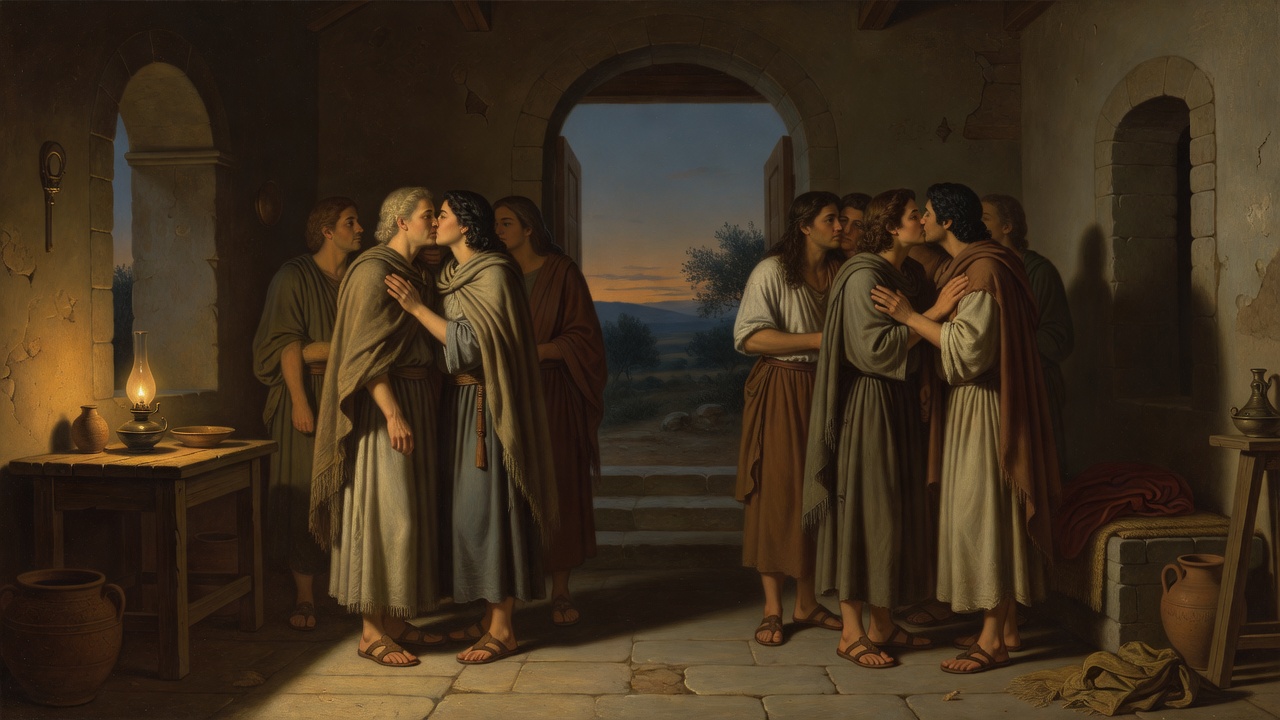
Saludos a la iglesia en Roma
- Pablo recomienda a Febe, sierva de la iglesia en Cencrea, y pide a los destinatarios en Roma que la reciban bien y la ayuden en lo que necesite, porque ha sido de gran ayuda para mucha gente, incluido él. Cencrea era el puerto oriental de Corinto, a unas nueve millas al este de la ciudad y la salida de su comercio con las costas asiáticas del Mediterráneo; el Easton's Bible Dictionary (1897) dice que ella probablemente fue quien llevó esta carta.Fuentes: el propio texto bíblico · Phebe · Cenchreae
- Pablo saluda a Prisca y a Aquila, sus colaboradores en Cristo Jesús, que arriesgaron la vida por él, y también a la iglesia que se reúne en su casa; dice que no solo él, sino todas las iglesias de los gentiles les están agradecidas. El Easton's Bible Dictionary (1897) la llama Priscila y describe a Aquila como fabricante de tiendas, natural del Ponto, que con su esposa dejó Roma a causa de un decreto de Claudio, en el año 50 d. C., que ordenaba a todos los judíos salir de la ciudad; el nombre de ella a veces aparece antes que el de él, como aquí.Fuentes: el propio texto bíblico · Priscilla · Aquila
- Cerca del final, Tercio, quien puso la carta por escrito, añade su propio saludo. Gayo, que ha hospedado a Pablo y a toda la iglesia, también envía saludos, al igual que Erasto, el tesorero de la ciudad, y Cuarto.Fuentes: el propio texto bíblico
Notas escritas con ayuda de IA a partir de fuentes abiertas (Theographic Bible Metadata, CC BY-SA 4.0; Easton’s Bible Dictionary, dominio público) y revisadas antes de publicarse.
Lugares de este capítulo
Solo aparecen lugares identificados con alta confianza (90 % o más según las fuentes académicas reunidas por OpenBible). Mapa de la época: DARE (Digital Atlas of the Roman Empire), CC BY 4.0; mapa actual: © colaboradores de OpenStreetMap; lugares: OpenBible.info (CC BY 4.0).
Créditos y licencia de esta traducción
Lëk yam
New Testament in Dinka, Southwestern (SU:dik:Dinka, Southwestern)
copyright © 2006 Wycliffe Bible Translators, Inc.
Language: Dinka, Southwestern
Translation by: Wycliffe Bible Translators, Inc.
Dinka, Southwestern
dik
Sudan
Copyright Information
© 2006, Wycliffe Bible Translators, Inc. All rights reserved.
This translation text is made available to you under the
terms of the Creative Commons License: Attribution-Noncommercial-No Derivative Works.
( http://creativecommons.org/licenses/by-nc-nd/3.0/ )
In addition, you have permission to port the text to different file formats, as long as you
do not change any of the text or punctuation of the Bible.
You may share, copy, distribute, transmit, and extract portions
or quotations from this work, provided that you include the above copyright
information:
You must give Attribution to the work.
You do not sell this work for a profit.
You do not make any derivative works that change any of the actual words or punctuation of the Scriptures.
Permissions beyond the scope of this license may be
available if you contact
us with your request.
The New Testament
in Dinka, Southwestern
© 2006, Wycliffe Bible Translators, Inc. All rights reserved.
This translation is made available to you under the terms of the
Creative Commons Attribution-Noncommercial-No Derivatives license 4.0.
You may share and redistribute this Bible translation or extracts from it in any format, provided that:
You include the above copyright and source information.
You do not sell this work for a profit.
You do not change any of the words or punctuation of the Scriptures.
Pictures included with Scriptures and other documents on this site are licensed just for use with those Scriptures and documents.
For other uses, please contact the respective copyright owners.
2014-04-22
Fuente: http://ebible.org/dikNT/ · eBible.org