Mateo 8
Lëk yam · Toca un versículo para ver sus referencias cruzadas.
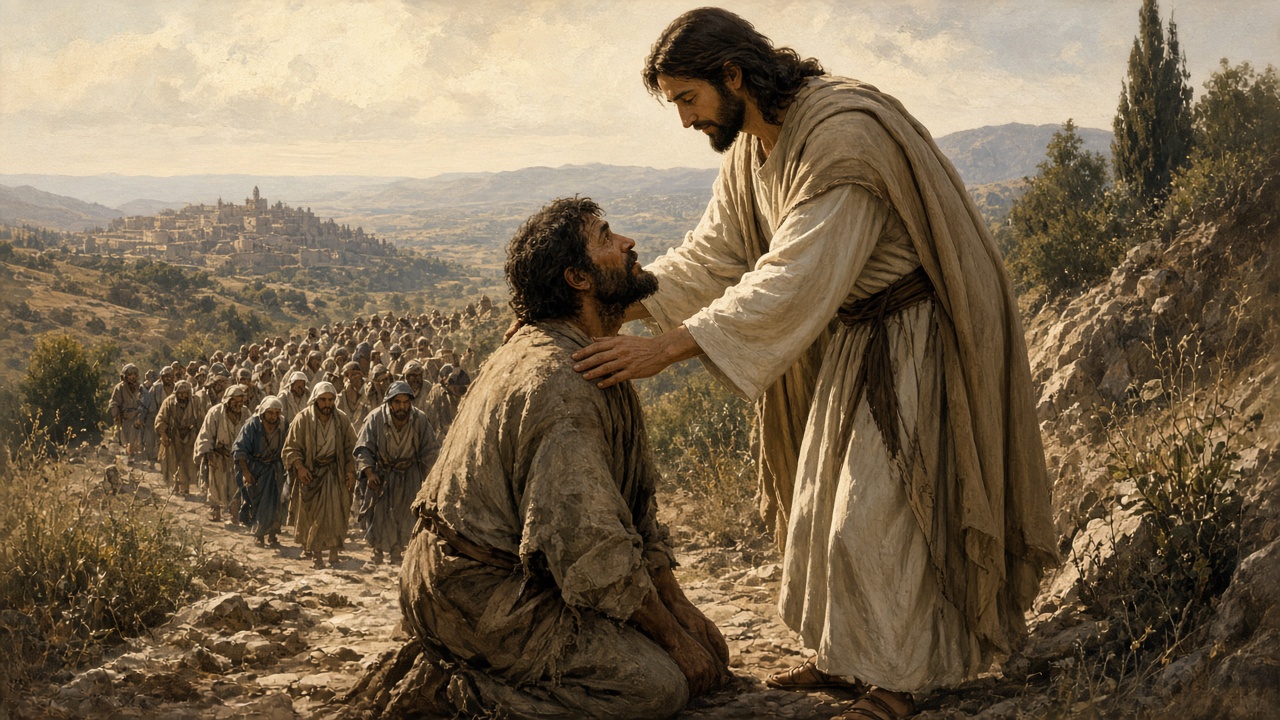
Jethu acä atuet cɔl apuɔl
1Wën cï yen bɛ̈n piny gɔt nhom, ëcï kɔc juëc apɛi buɔɔth. 2Go raan cï tuet bɛ̈n tënë ye ku gut yenhiaal piny yenhom ku lueel, “Bɛ̈ny, na wïc ke yïn cɔl ë tuen kënë adem.”
3Go Jethu yekök riny ku gɔɔt, ku lueel, “Ee yic awiëc, Piaalë!” Go tuet guɔ dɛm nyin yic. 4Ku lëk Jethu ye, “Muk yïnhom apath duk kënë lëk raan dɛ̈t, lɔɔr ku nyuɔ̈th rot raan käk Nhialic bï caath, ku juar käŋ cït tɛ̈ ye löŋ Mothith ye luɛɛl thïn, bï kɔc ëbën ŋic lɔn cï yïn pial.”
Jethu acï raan lui pan bɛ̈ny apuruuk kony
5Wën cï yen ɣet Kapernaum, ke bɛ̈ny mɛc apuruuk juëc bɔ̈ tënë ye ku lɛ̈ŋ, 6“Bɛ̈ny, raan lui paandiɛ̈ atɔ̈ baai ke tuany, acïn tɛ̈ ye yen rot cak jɔt, adhɛ̈l apɛi.”
7Go Jethu lueel. “Ɣɛn abï la ba kony bï pial.”
8Go bɛ̈ny apuruuk bɛ̈ɛ̈r, “Bɛ̈ny, duk rot näk cäth, rin ɣɛn acie raan path nadë ke yï bɔ̈ atiɛ̈mdiɛ̈ yic, toc wɛ̈tdu ë path ku yeen abï pial. 9Rin ɣɛn aya, ɣɛn arɛ̈ɛ̈r bänydït cök, ku ɣɛn ala apuruuk rɛ̈ɛ̈r ɣacök. Ku aya lɛ̈k ŋɛk. ‘Lɔɔr!’ Ka la, ku lɛ̈k ŋɛk, ‘Bäär tɛ̈n!’ Ka bɔ̈. Ku lɛ̈k raan lui paandiɛ̈, ‘Loi kënë!’ Ka looi.”
10Kaam wën piŋ Jethu wël raan kënë ke gɛ̈i, ku lëk kɔc awën buɔth ye, “Alɛ̈k we ayic, acïn raan töŋ ca kaŋ yök Itharel ke la gamdït cït kënë. 11Muɔ̈kkë kënë nhom, kɔc juëc aabï bɛ̈n pinynhom ëbën ku nyuuckë ë tök kek Abaram, ku Ithäk, ku Jakop yai yic bääny yic pan Nhialic. 12Ku kɔc ke bï rëër bääny yic aabï ciɛɛc aɣeer muɔ̈ɔ̈th yic, tɛ̈ bï kek rëër thïn ke dhiau bïk kethook aa kac, ke cï nhïïm la cɔ̈t.” 13Ku wël yethok bɛ̈ny apuruuk ku lueel, “Lɔɔr, dhuɔ̈k baai, yïn acï gam, ku kënë abï looi tënë yï.”
Ku raanden luɔi acï guɔ pial ë tɛ̈n awën.
Jethu acï kɔc tuany kony
14Tɛ̈wën le Jethu pan Pïtɛr, ke yök man tiŋ Pïtɛr piiny biöök yic ke cï juäi göök. 15Go gɔɔt, go juäi jäl, ku jɔt rot ku looi miëth tënë ke.
16Naɣɔn thëëi, ke kɔc juëc la gup jakrɛc bïï tënë ye. Go jakrɛc cuɔp wei kegup wɛ̈t thok ë path, ku kony kɔc tuany bïk pial. 17Kënë acï rot looi rin bï wɛ̈t cï Ithaya lueel thɛɛr yenhom tiɛɛŋ, “Acï kuat arɛɛm ku tuaany ëbën jat yeyeth.”
Raan buɔth Jethu adhil puɔ̈u riɛl
18Nawën tïŋ Jethu thändït apɛi yelɔ̈ɔ̈m, ke lëk kacke bïk teem wär alɔŋtui. 19Go raan piööc lööŋ bɛ̈n tënë ye ku lueel, “Bänydiɛ̈, yïn aba biaath kuat tɛ̈ ler yïn thïn.” 20Go Jethu bɛ̈ɛ̈r, “Luɔny roor aala ɣöötken yekë ke wuut, ku diɛt pär aala ɣɔ̈ɔ̈tken, ku Manh Raan acïn nhom baai pinynhom tɛ̈n.”
21Go raan dɛ̈t kam kɔc ye buɔɔth lueel tënë ye, “Bɛ̈ny, cɔl ɣa akɔŋ wä la thiɔ̈k.” 22Go Jethu bɛ̈ɛ̈r, “Buɔth ɣa, ku päl kɔc cït kɔc cï thou bïk kacken thiɔ̈k.”
Jethu acï yom cɔl akääc
23Go Jethu la riäi yic, ku buɔɔth kɔcken ye buɔɔth. 24Kaam awën, ke yomdït ril apɛi jɔt rot, ku loi atiaktiak rot bï riäi duër puk yic, ku Jethu ë nin. 25Go kɔcken ye buɔɔth la tënë ye ku puɔ̈ckë ke dhiau, “Luäk ɣo, Bɛ̈ny, ɣok aa dïïr!” 26Go lɛ̈k ke, “Wek kɔc koor gamdun, yeŋö ye wek riɔ̈ɔ̈c këlä?” Ku jɔt rot ku rël yom ku atiaktiak, gokë la dïl. 27Go kɔc awën gäi ku thiëckë röt, “Ye raan la guɔ̈p ŋö kënë? Na cɔk a yom ku atiaktiak ë ke piŋ wɛ̈tde!”
Kɔc pan Gadara la gup jakrɛc
28Wën cï Jethu ɣet pan Gadara tɔ̈ wär alɔŋtui, ke räm kek röör karou ke bɔ̈ bei rɛ̈ŋ nhïïm. Ku röörkä aake la gup jakrɛc ë ke riir nhïïm apɛi, abï kɔc aa riɔ̈ɔ̈c ke, abï ciɛ̈n raan tëëk ë dhël kënë. 29Gokë duɔɔt looi wën tïŋ kek Jethu, “Yeŋö wïc tënë ɣo Wën Nhialic? Ca bɛ̈n ba ɣo bɛ̈n tɛ̈m awuɔ̈c ke tën awuɔ̈c ŋoot?”
30Ku duut dïr baai ë nyuäth tɛ̈thiɔ̈k. 31Go jakrɛc Jethu lɔ̈ŋ, “Na wïc ba ɣo cuɔp wei ë röörkä gup, ke yï cop ɣo ë dïrkä gup.” 32Go lëk ke, “Lak,” Gokë bɛ̈n bei ku lek ë dïr gup, ku tɛ̈n awën, ke duut diëër riŋ agör yic ku thootkë wïïr ku moukë ëbën. 33Go röör ke biöök dïr kat ku riŋkë geeu, ku lek kë cï rot looi tënë dïr ku tënë röör awën karou la gup jakrɛc tɛ̈t kɔc. 34Go kɔc juëc apɛi geeu la bïk rɔ̈m kek Jethu. Nawën tïŋkë, ke läŋkë bï jäl panden.
¿Sabías que…?
Curaciones, fe y el mar
- Capernaum, la ciudad a la que Jesús entra en este capítulo, era una ciudad de Galilea que no se menciona en el Antiguo Testamento. El Easton's Bible Dictionary (1897) dice que llegó a ser “su propia ciudad” después de que dejó Nazaret, e incluye la súplica del centurión y la curación en la casa de Pedro entre los hechos situados allí.Fuentes: Capernaum · el propio texto bíblico
- Jesús dice que muchos vendrán del oriente y del occidente para compartir el banquete con Abraham, Isaac y Jacob en el reino de los cielos. El Easton's Bible Dictionary (1897) presenta a Abraham como hijo de Taré y heredero de las promesas, a Isaac como el único hijo de Abraham con Sara, y a Jacob —también llamado Israel— como el hijo gemelo menor de Isaac y Rebeca.Fuentes: el propio texto bíblico · Abraham · Isaac · Jacob (Israel)
- Mateo presenta las curaciones de aquella noche como cumplimiento de lo dicho por medio del profeta Isaías: “Él tomó nuestras dolencias y cargó con nuestras enfermedades.” El Easton's Bible Dictionary (1897) identifica a Isaías como hijo de Amoz, que profetizó durante los reinados de Uzías, Jotam, Acaz y Ezequías.Fuentes: el propio texto bíblico · Isaiah
Notas escritas con ayuda de IA a partir de fuentes abiertas (Theographic Bible Metadata, CC BY-SA 4.0; Easton’s Bible Dictionary, dominio público) y revisadas antes de publicarse.
Lugares de este capítulo
- Gadara · Hoy: Umm Qais · 32.656, 35.679 · versículo 28
Solo aparecen lugares identificados con alta confianza (90 % o más según las fuentes académicas reunidas por OpenBible). Mapa de la época: DARE (Digital Atlas of the Roman Empire), CC BY 4.0; mapa actual: © colaboradores de OpenStreetMap; lugares: OpenBible.info (CC BY 4.0).
Créditos y licencia de esta traducción
Lëk yam
New Testament in Dinka, Southwestern (SU:dik:Dinka, Southwestern)
copyright © 2006 Wycliffe Bible Translators, Inc.
Language: Dinka, Southwestern
Translation by: Wycliffe Bible Translators, Inc.
Dinka, Southwestern
dik
Sudan
Copyright Information
© 2006, Wycliffe Bible Translators, Inc. All rights reserved.
This translation text is made available to you under the
terms of the Creative Commons License: Attribution-Noncommercial-No Derivative Works.
( http://creativecommons.org/licenses/by-nc-nd/3.0/ )
In addition, you have permission to port the text to different file formats, as long as you
do not change any of the text or punctuation of the Bible.
You may share, copy, distribute, transmit, and extract portions
or quotations from this work, provided that you include the above copyright
information:
You must give Attribution to the work.
You do not sell this work for a profit.
You do not make any derivative works that change any of the actual words or punctuation of the Scriptures.
Permissions beyond the scope of this license may be
available if you contact
us with your request.
The New Testament
in Dinka, Southwestern
© 2006, Wycliffe Bible Translators, Inc. All rights reserved.
This translation is made available to you under the terms of the
Creative Commons Attribution-Noncommercial-No Derivatives license 4.0.
You may share and redistribute this Bible translation or extracts from it in any format, provided that:
You include the above copyright and source information.
You do not sell this work for a profit.
You do not change any of the words or punctuation of the Scriptures.
Pictures included with Scriptures and other documents on this site are licensed just for use with those Scriptures and documents.
For other uses, please contact the respective copyright owners.
2014-04-22
Fuente: http://ebible.org/dikNT/ · eBible.org