Efesios 4
Lëk yam · Toca un versículo para ver sus referencias cruzadas.
Mɛ̈n yic kɔc cï gam tënë guɔ̈p Jethu
1Rin kë wïc Nhialic bï looi, ɣɛn raan cï mac rin looi ɣɛn wɛ̈t Bɛ̈ny, wek aläŋ bäk ŋiɛc luui dhël path, dhël yen cï Nhialic we cɔɔl. 2Yakë käk yakë ke looi ëbën looi dhël athɛ̈ɛ̈k ku liɛr ë puɔ̈u, ku yakë kɔc ŋiɛc cïëëŋ. Nhiarkë röt ku yakë kärɛc päl piny ë kamkun. 3Wëi Nhialic acï we mat yiic, thɛmkë bäk la dɔ̈ɔ̈r ë kamkun bäk aa kac tök. 4Ɣook ëbën, ɣok aa thöŋ kek käk tɔ̈ guɔ̈p tök yic, ku ɣok aa la Wëi Nhialic thöŋ ciëŋ ke ɣo. Ɣok aa ŋɔ̈th dɔ̈c cï Nhialic thɔn ke bï gäm kacke, rin Nhialic acï ɣo cɔɔl ëbën buk aa kacke. 5Ɣok aa la Bäny tök ku gam tök, ku ɣok aacï lɔ̈k ë wëi tök yök ëbën. 6Ɣook ëbën ɣok aa Nhialic tööŋ door, ku yen ë Wäda ɣodhie. Yen amɛc ɣo ku ë luui ɣopuɔ̈th ëbën, ku aciëŋ kek ɣo ëbën.
7Raan cï lɔc ku dɔc acï raan ëbën ë kamkua yiëk riɛlden bï yen aluui. Ŋɛk acï yiëk riɛlde cït tɛ̈ cï Raan cï lɔc ku dɔc ke tɛk thïn. 8Acï gɔ̈t athör thɛɛr wël Nhialic yic ëlä,
“Acï la nhial, ku looi jakrɛc bïk yeen buɔɔth cök,
cïmën raan cï dɔm ë tɔŋ yic,
ku tek käpath tënë kuat raan ëbën.”
9Tɛ̈ lueel ye ëlä, “Acï la nhial.” Wɛ̈tde yic yeŋö? Wɛ̈tde yic aye lueel lɔn cï Raan cï lɔc ku dɔc kaŋ bɛ̈n pinynhom ë tɛ̈n. 10Raan cï bɛ̈n pinynhom ë tɛ̈n yen ee raan tööŋ cï bɛn dhuk nhial, pan Nhialic, ku bï rëër kek këriëëc ëbën pinynhom. 11Ee yen Raan cï lɔc ku dɔc yen ë gɛm miɔ̈c tënë kɔc. Acï kɔc kɔ̈k looi bïk aa tuɔ̈ɔ̈cke, ku kɔc kɔ̈k aacï looi bïk aa kɔc käk Nhialic tïŋ, ku ye kɔc kɔ̈k wël ë Nhialic lɛ̈k kɔc, ku ye kɔc kɔ̈k abiök kɔc cï gam ku piööckë ke. 12Acï kënë looi rin bï kɔckä, kɔc ë Nhialic, guiir bïk luui tënë ye ku bïk aakuut kɔc cï gam, yen guɔ̈p Raan cï lɔc ku dɔc la tueŋ ke ril. 13Ku këlä, ɣok aabï mat yiic buk aa tök ë gam bï ɣok Nhialic ku Wënde ŋic. Ku jɔlku aa kɔc cï gam cï nhïïm bak, ku ɣok aabï jäl la cök cïmën Raan cï lɔc ku dɔc. 14Ku ɣok aacie kɔc bï bɛn ciɛ̈t mïth. Ku ɣok aacïï kɔc käk lueth piɔ̈ɔ̈c bï bɛn duɔ̈ɔ̈ŋ buk luɛthken gam, ɣok aacïï bï ya wel nhïïm cïmën riäi, wël lueth ë path. 15Ɣok aa dhil yic aa lueel ke ɣo la nhiër. Ku këlä ɣok aabï la tueŋ ke ɣo cït Raan cï lɔc ku dɔc yen wat akut kɔc cï gam nhom. 16Raan cï lɔc ku dɔc, ee kacke mat yiic cïmën ye rɛ̈l yom thook guɔ̈p ë raan nuɛ̈ɛ̈t yic bï ya tök. Na loi guɔ̈p abak luɔide cït tɛ̈ dhil yen luui thïn, ke guɔ̈p ëbën ala tueŋ ke cil ke ril. Yen ë tɛ̈n akut kɔc cï gam. Na nhiar kɔc akut röt ku loikë luɔiden, ka akut ala tueŋ apath ë riɛl Raan cï lɔc ku dɔc.
Ɣok aa dhil piɛ̈rda waar yic
17Rin ë wɛ̈t kënë, alɛ̈k we rin Bɛ̈ny duɔ̈kkë ben aa luui cïmën kɔc kuc Nhialic. Käk yekë ke looi aacie käk ke kony. 18Aacie yic ye deet. Acïn pïr yam ye Nhialic gäm kɔc, rin keek aa ril nhïïm, ku këya aa kuc dhël ë Nhialic. 19Aacie gup ë yär tɛ̈ cɔk kek kärɛc looi, rin aa kepuɔ̈th yiëk käk wïc guäpken. Käk yekë ke looi ëbën aa käk ë bal ku aacie kɔ̈ɔ̈c luɔi ë käkkä yiic.
20Yen ë tɛ̈ wiëc bï wek cïï la thïn, rin acie yen tɛ̈wäär cï we piɔ̈ɔ̈c thïn rin Raan cï lɔc ku dɔc. 21Ee yic, wek aacï wɛ̈tde piŋ, ku wek aa we cï piɔ̈ɔ̈c riɛnke, tɛ̈ cït tën yiny rɛ̈ɛ̈r kek Jethu. 22Wek aacï piɔ̈ɔ̈c bak tɛ̈dun ye wek luui thïn thɛɛr puɔ̈l. Käkkun ke yakë ke looi aake cï we muɔ̈r ku rɛckë we. 23Ëmën, calkë röt aa wɛɛr Nhialic puɔ̈th ku bäk ya tak tɛ̈ŋ ë yam. 24Nhialic acï we gäm ciɛɛŋ ë yam cït këde. Këya, yakë cieŋ ë ciɛɛŋ kënë. Ciɛɛŋ kënë ala cök cït tɛ̈ ye yic rin Nhialic piɔ̈ɔ̈c thïn.
25Këya, duɔ̈kkë lueth ben aa lueel. Ŋɛk adhil yic alɛ̈k mäthden cï gam, rin ɣok aa cït käk cïï thöŋ rɛ̈ɛ̈r ë guäp tök yic. 26Na cɔk alɔn cï yïn puɔ̈u riääk, ke yï duk adumuɔ̈ɔ̈m loi. Duk rɛ̈ɛ̈r kek riääk ë puɔ̈u abä akɔ̈l lööny piny. 27Rin bï jɔŋrac yï cïï thel adumuɔ̈ɔ̈m yic. 28Na le raan ye cuär thɛɛr kamkun ka cïï ben cuëër, adhil luui ë kɔ̈ŋde bï rot muk ku kony kɔc ŋɔ̈ŋ aya. 29Pälkë kuɔ̈c jam. Yakë ke lueel wël kɔc cɔl aril puɔ̈th gamden yic. Yakë ke lueel wël nhiar ke bï ke piŋ, rin bï yïn kɔc la kë lɛ̈k ke, kony. 30Muk yïnhom bï ciɛ̈n kë lueel bï Wëi Nhialic cɔl arem puɔ̈u, Wëi cï Nhialic gäm yï. Nhialic acï gäm Wëi ye nyooth lɔn ë yïn këde, ku Wëi Nhialic abï rëër kek yï ɣet aköl luŋdït bï Nhialic yï kony tënë jɔŋrac. 31Duɔ̈kkë kɔc kɔ̈k ye maan ku duɔ̈kkë puɔ̈th ye riääk. Duɔ̈kkë ye gɔ̈th ku läätkë kɔc, tɛ̈dë ke we loi käk cïï path. 32Rɛ̈ɛ̈rkë apath ë kamkun. Ku yakë kärɛc päl piny tënë kɔc kɔ̈k cïmën ye Nhialic ke päl piny tënë we rin Raan cï lɔc ku dɔc.
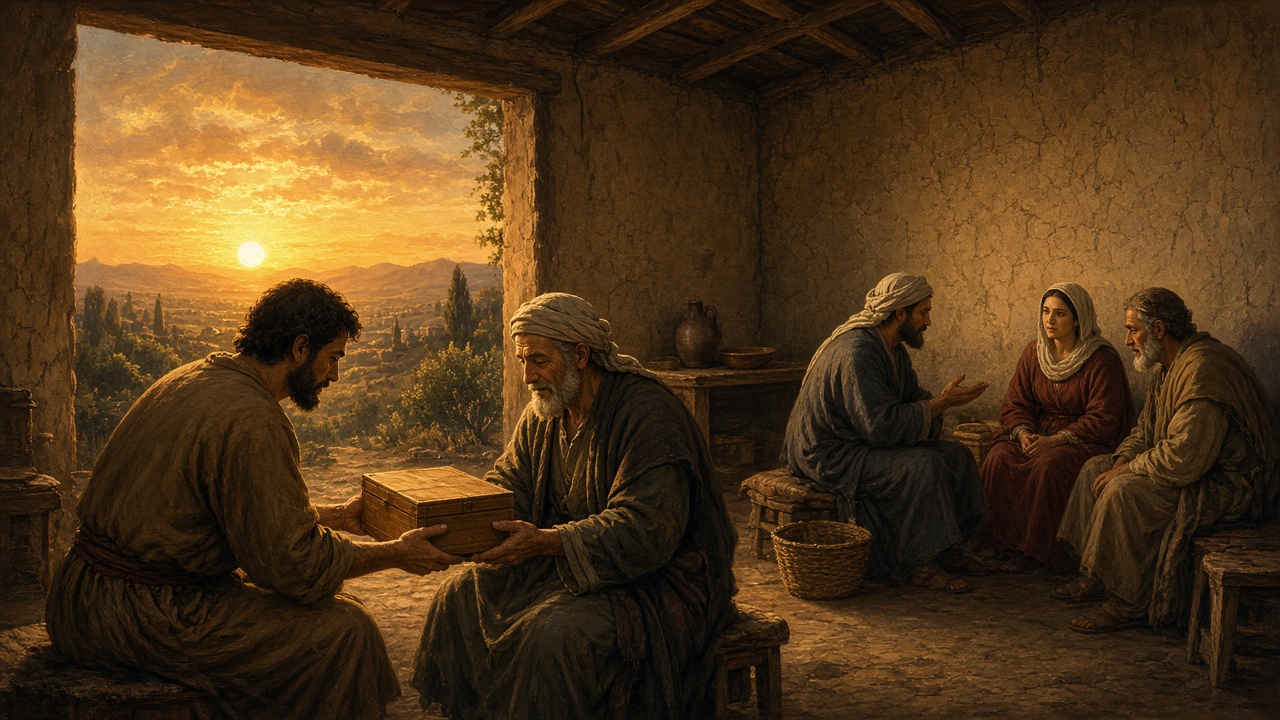
¿Sabías que…?
Un solo cuerpo y una vida digna
- El capítulo comienza con el autor llamándose a sí mismo prisionero en el Señor y exhortando a los lectores a andar de manera digna del llamamiento que recibieron, con humildad, mansedumbre, paciencia y diligencia para preservar la unidad del Espíritu mediante el vínculo de la paz.Fuentes: el propio texto bíblico
- Ese llamado se apoya en realidades compartidas nombradas en el capítulo: un solo cuerpo, un solo Espíritu, una sola esperanza, un solo Señor, una sola fe, un solo bautismo y un solo Dios y Padre de todos, que está sobre todos, por medio de todos y en todos. El mismo pasaje dice que quien ascendió dio a unos como apóstoles, a otros como profetas, a otros como evangelistas y a otros como pastores y maestros, para capacitar a los santos y edificar el cuerpo.Fuentes: el propio texto bíblico
- El capítulo describe entonces una vida cambiada como quitarse el modo de vivir anterior, el viejo yo, y revestirse del nuevo yo. Dice a los lectores que desechen la mentira y hablen con verdad, porque son miembros los unos de los otros; que se enojen sin pecar y no dejen que el sol se ponga sobre su enojo; y que no entristezcan al Espíritu Santo de Dios, en quien fueron sellados para el día de la redención.Fuentes: el propio texto bíblico
Notas escritas con ayuda de IA a partir de fuentes abiertas (Theographic Bible Metadata, CC BY-SA 4.0; Easton’s Bible Dictionary, dominio público) y revisadas antes de publicarse.
Créditos y licencia de esta traducción
Lëk yam
New Testament in Dinka, Southwestern (SU:dik:Dinka, Southwestern)
copyright © 2006 Wycliffe Bible Translators, Inc.
Language: Dinka, Southwestern
Translation by: Wycliffe Bible Translators, Inc.
Dinka, Southwestern
dik
Sudan
Copyright Information
© 2006, Wycliffe Bible Translators, Inc. All rights reserved.
This translation text is made available to you under the
terms of the Creative Commons License: Attribution-Noncommercial-No Derivative Works.
( http://creativecommons.org/licenses/by-nc-nd/3.0/ )
In addition, you have permission to port the text to different file formats, as long as you
do not change any of the text or punctuation of the Bible.
You may share, copy, distribute, transmit, and extract portions
or quotations from this work, provided that you include the above copyright
information:
You must give Attribution to the work.
You do not sell this work for a profit.
You do not make any derivative works that change any of the actual words or punctuation of the Scriptures.
Permissions beyond the scope of this license may be
available if you contact
us with your request.
The New Testament
in Dinka, Southwestern
© 2006, Wycliffe Bible Translators, Inc. All rights reserved.
This translation is made available to you under the terms of the
Creative Commons Attribution-Noncommercial-No Derivatives license 4.0.
You may share and redistribute this Bible translation or extracts from it in any format, provided that:
You include the above copyright and source information.
You do not sell this work for a profit.
You do not change any of the words or punctuation of the Scriptures.
Pictures included with Scriptures and other documents on this site are licensed just for use with those Scriptures and documents.
For other uses, please contact the respective copyright owners.
2014-04-22
Fuente: http://ebible.org/dikNT/ · eBible.org