Hechos 27
Lëk yam · Toca un versículo para ver sus referencias cruzadas.
Paulo aɣɛ̈th Roma
1Tɛ̈wën cï ye mat ku buk cath riäi buk la Italia, gokë Paulo ku jɔl aa kɔc kɔ̈k cï mac thɔ̈n Juliöth, bɛ̈ny akut apuruuk Roma, akut cɔl, “Akut Bɛ̈nyŋaknhom.” 2Ku lok riän bɔ̈ Adramitiöm, riän cï guiir bï jäl wath thok wun Athia. Arithtarkuth raan pan Mathedonia wun cɔl Thethalonika ë cath kek ɣo. 3Na aköl dɛ̈ɛ̈të ke ɣo ɣet Thidon. Juliöth ë ye raan path, ee cï Paulo puɔ̈l ku bï kɔc määth kek ye la tïŋ, rin bïk la yiëk käk wïc.
4Ɣok acï bar, ku rin cï ɣok ɣonhïïm wɛ̈l yom, goku riäi gɛɛr tɛ̈ bï yen cath thïn apath, ku ë ye alɔŋ ye akɔ̈l bɛ̈n thïn rial pan tɔ̈ gool nhom wär ciɛl yic cɔl Thaipruth. 5Ku jɔlku wär teem buk la Cilicia ku Pampilia ku lok Mira pan tɔ̈ wun cɔl Likia. 6Tɛ̈në, ke bɛ̈ny apuruuk yök riän jäl Alekdhändria ke la Italia, go ɣo ɣäth thïn.
7Ku riäi ë cath amääth rin yom ë dït apɛi. Ku ɣok aacï nïn juëc bɛ̈n nɔ̈k dhël yic buk jäl ɣet gen cɔl Kniduth. Yom ë këc ɣo puɔ̈l ku buk la dhëldan yen buɔthku yic, goku ret wanh cɔl Thalmone tɛ̈n yen bï pan thiin tɔ̈ gool nhom cɔl Kret ɣook kɔl ë yom. 8Ku ciɛthku ke ɣo göök yom ke ɣo kuany agör yɔu, ku ɣok aacï bɛ̈n ɣet tɛ̈ cɔl Wanh Path ë riɛl, ku ë tɛ̈n cïï mec kek gen cɔl Lathia.
9Ku ciëŋku thïn nïn juëc, ku ril yic buk la tueŋ ɣo cath wïïr, rin ë nïnkä aköl Yan lɔɔk kɔc kegup wïïr ëcï bar, tɛ̈n yen ye yom rut rot jɔt apɛi. Go Paulo ke lɛ̈k ëlä, 10“Kackiɛ̈, aya tïŋ lɔn cäthda jäl ë tɛ̈n abï yic riɛl, riäi abï riääk ku käk tɔ̈ thïn aabï puk wïïr, ku kɔc aabï mou aya.” 11Ku bɛ̈ny apuruuk ë wɛ̈t raan kuath riäi ku raan la riäi yen aye piŋ, ku kueec wɛ̈t cï Paulo lueel. 12Ku wath thok tɛ̈ ye riäi mac thïn ëcï path bï kɔc mäi thïn. Go kɔc juëc keyiic wïc ku bïk la tueŋ bïk ɣet Ponik tɛ̈ lëu yen rot. Yen ë wanh tɔ̈ Kret, ku ëcie yethok wɛl lɔŋ bër tɛ̈ ye akɔ̈l lööny piny thïn.
Yomdït acï rot jɔt wïïr
13Yom thööŋ rot ëcï jɔt ke bɔ̈ ciɛɛm tɛ̈ cï raan yenhom wɛl tɛ̈ ye akɔ̈l lööny piny thïn, go kɔc ke cath riäi tak lɔn nadë ka lëukë bïk la tueŋ ke cath, gokë riäi lony ku gerkë ke kuënykë agör Kret yɔu. 14Ku kaam thiin awën ke yomdït ril apɛi bɔ̈ cuëëc tɛ̈ cï raan yenhom wɛl tɛ̈ ler akɔ̈l thïn, ben bɛ̈n ke ye pïu apɛi. 15Ku yiɛ̈ɛ̈k riäi bï la bëëŋbëëŋ, ku ril yic apɛi bï gɛɛr tueŋ tɛ̈ bï yom thïn, goku puɔ̈l buk cɔl akuɛɛth yom. 16Ɣok aacï bɛ̈n lɔŋ wën tëëk ɣok lɔŋ ye yom rut yenhom wɛl thïn, pan thiin tɔ̈ gool nhom cɔl Kauda. Tɛ̈ɛ̈n, acuk bɛ̈n lëu buk riän koor duɔ̈ɔ̈t riändït cök. 17Ku rin dïït yom apɛi, gokë duɔ̈ɔ̈t riändït kɔ̈u rin bï yom tiim cï ke riäi looi cïï piir wei, ku jɔlku duɔ̈ɔ̈t piny wïïn. Keek aake riɔ̈c ciɛ̈t riänden bï la döt liɛɛt yic wanh Libia thok, gokë alɛ̈th ye yom ke riäi kuaath däk bei, ku cɔlkë riäi ajɔl yom kuaath. 18Yomdït ril awën acï la tueŋ ke pïu apɛi, nawën aköl dɛ̈ɛ̈të ke jɔkkë bïk käk tɔ̈ riäi yic cuat wïïr. 19Nawën aköl ye nïn diäk ke cuɛt abɛ̈k käk gɛ̈r wïïr ciɛnken. 20Ku cuk akɔ̈l ku kuɛl tïŋ nïn juëc, ku yom acï la tueŋ ke pïu apɛi. Akëcku bɛn bɛ̈n ŋɔ̈ɔ̈th lɔn bï ɣok pïïr.
21Nawën cï kɔc nïn juëc nɔ̈k ke cïn miëth cïk cam, go Paulo rot jɔt ku kɛ̈ɛ̈c kenhïïm ku lueel, “Kackiɛ̈, na we cï wɛ̈tdiɛ̈ piŋ wäär bäk riäi cïï geer wei Kret ŋuɔ̈t ɣok aa këc mam këlä. 22Ku ë mënë wek aa läŋ, dɛɛtkë wepuɔ̈th! Acïn raan töŋ bï thou weyiic, ë riäi yetök yen abï riääk. 23Ku wën akɔ̈u atuny Nhialic yen ye ɣɛn raande, ku yen ya door acï bɛ̈n tënë ɣa, 24ku lueel, ‘Duk riɔ̈c, Paulo! Yïn abï ɣet Bɛ̈nyŋaknhom nhom, ku rin ë wɛ̈t kënë Nhialic acïï yï pɛ̈l wei, ku kɔc cath kek yï riäi yic aabï pïïr.’ 25Këya, kackiɛ̈, dɛɛtkë wepuɔ̈th! Nhialic aca deet puɔ̈u, abï këpath looi tɛ̈cït tɛ̈ cï ye lɛ̈k ɣa thïn wënakɔ̈u. 26Ku yom abï riäi kuaath bï cɔl ala gool nhom cɔk alɔn bï yen la riääk thïn.”
27Ku nïn aake cï ya thiäär ku ŋuan, ku yomdït apɛi ë kuath riända wärdït Adɛ̈kdiɛɛt yic. Na ye tɛ̈cït wɛ̈ɛ̈r ciɛl yic, ke ye kɔc ger riäi yök kepuɔ̈th ciɛ̈t ɣo cï thiɔ̈k buk ɣet agör thok. 28Gokë wïn cï duɔ̈t thok këthiek luaac piny pïu yiic, ku wën ye kek ye luaac piny ëmën ku mën, ke yökkë lɔn thiɔ̈k wär yic. 29Gokë riɔ̈ɔ̈c ciɛ̈t riäi bï rot dɛɛny kuɔ̈r tɔ̈ pïu yiic, gokë wïïn cï duɔ̈t thook aleeldït ye riäi dɔm luaac piny riäi thar ciëën, ku jɔlkë bak piny ŋɔ̈ɔ̈th. 30Ëcï agër kɔ̈k them ku bïk röt kuɛ̈l bei riäi yic. Ku jötkë riän thiin koor tɔ̈ riändït yic bei, ku tɛ̈ɛ̈ukë wïïr ke ye kɔc ciɛ̈t ke la wïïn cï duɔ̈t thook aleel luaac piny riäi nhom tueŋ. 31Go Paulo lɛ̈k bɛ̈ny apuruuk kek apuruɔ̈ɔ̈kke, “Na cä agër rɛ̈ɛ̈r riäi yic, ke kɔc tɔ̈ riäi yic aacïï bï pïïr.” 32Go apuruuk wïïn cï riäi mac piny teem kɔ̈ɔ̈th ku cɔlkë ke aa buɔk kuëër.
33Nawën bak piny, go Paulo ke lɔ̈ŋ bïk mïth ku lëk ke, “Wek aacï tïït nïn thiäär ku ŋuan ëmën, ku keek ë nïnkä yiic acïn kë cäk cam. 34Wek ya lɔ̈ŋ, ku bäk la miëth camkë, wek aa wïc miëth rin ku bäk pïïr. Acïn raan tök weyiic la kë bï ye gɔɔt.” 35Tɛ̈wën cï yen wɛ̈t kënë lueel, go Paulo ayup lööm, ku röök ke lec Nhialic kenhïïm ëbën, ku bɛny ayup yic, ku kɔŋ jɔɔk bï mïth. 36Keek aacï kepuɔ̈th bɛ̈n dɛɛt, ku mïthkë ëbën. 37Ɣok kɔc ɣo tɔ̈ riäi yic, ɣok aa ɣo ye buɔt karou ku thiärdhorou ku dätem. 38Nawën cï raan ëbën mïth, gokë rap ke tɔ̈ riäi yic dhɛ̈ɛ̈th wïïr rin bï riäi pial.
Riäi acï atiaktiak rac
39Nawën cï piny bak, ke kɔc ger riäi aake këc tɛ̈ cï kek ɣëët thïn ŋic, keek aacï tɛ̈ cï wär yekɔ̈u tot thïn, la yic liɛɛt tïŋ, gokë tak bïk riäi gɛɛr thïn bïk la mac. 40Gokë wïïn yeke riäi mac piny tɛɛm wei bïk dïïr piny, ku däkkë wïïn cï ke alau duɔ̈ɔ̈t piny. Ku jɔtkë alɛ̈th nhial ku bï yom riäi kuaath tueŋ, bï la agör thok. 41Ku riäi acï bɛ̈n la tɛ̈ cääl ku dööt liɛɛt yic bï ciɛ̈n tɛ̈ ben yen rot nyooŋ, ku cï abaŋ ciëën dhoŋ atiaktiak abï döŋ ke ya apet.
42Ecï apuruuk tak bïk kɔc cï mac ëbën nɔ̈k, bï ciɛ̈n raan tööŋ kuɛɛŋ aɣeer bï kat. 43Ku ë wïc bɛ̈ny apuruuk bï Paulo kony bï cïï näk, go apuruuk yɔ̈ɔ̈k bïk ciɛ̈n kë loikë tënë kɔc mac. Ku yöök kɔc ŋic kuaŋ bïk kaŋ thuɛɛt wïïr tueŋ ku bïk kuɛɛŋ aɣeer, 44ku kɔc kɔ̈k aake bï jal lɔ̈k kuaŋ, ke cï tiim riäi cï duɔɔny kuɔ̈k bïk ke ɣäth aɣeer. Ku ë yen tɛ̈ cï ɣok bɛ̈n kuɛɛŋ aɣeer thïn akan ke ɣo puɔl gup.
¿Sabías que…?
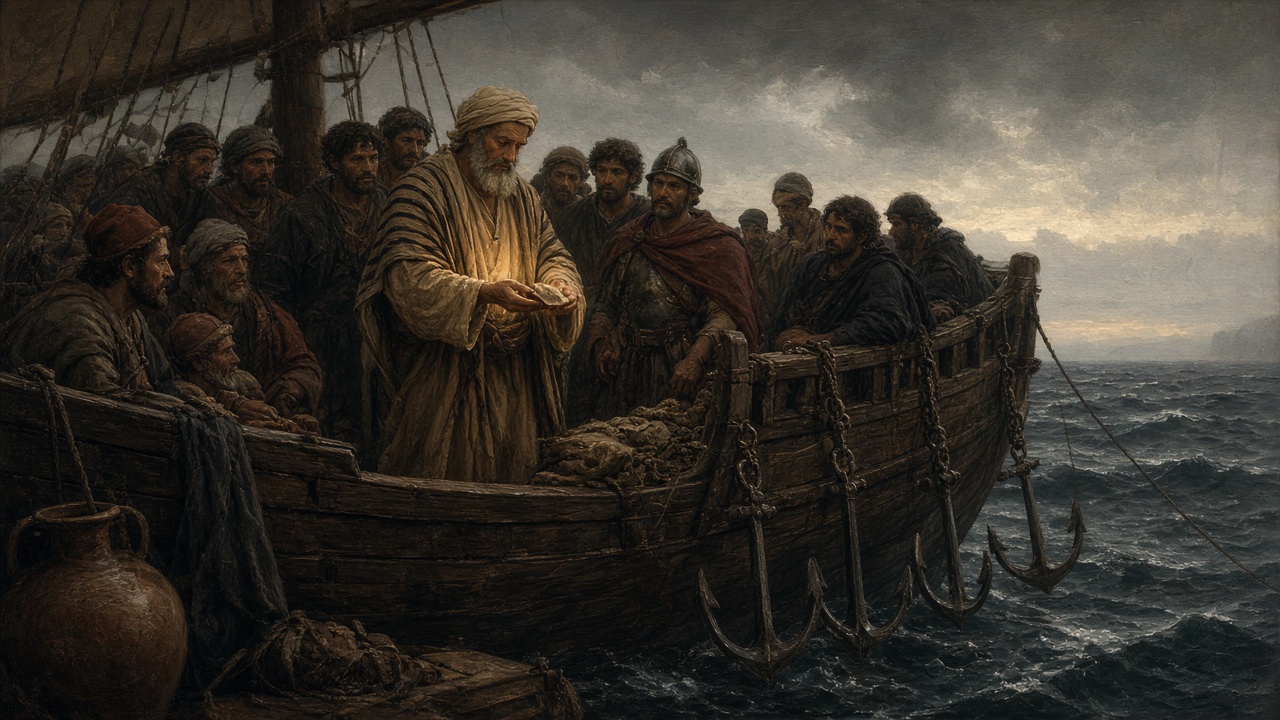
Tormenta y naufragio camino a Roma
- Pablo y los demás prisioneros no navegaron directo a Italia. En Cesarea abordaron un barco de Adramitio, ciudad de la costa de Misia, en Asia Menor, con rumbo a puertos a lo largo de la costa de Asia, nombre que el Easton's Bible Dictionary entiende en este versículo probablemente como Asia Menor, y ese barco los llevó solo hasta Mira, en Licia. Allí el centurión los hizo subir a un barco alejandrino que navegaba hacia Italia; el diccionario señala que era raro que un barco zarpara de cualquier puerto de Palestina directo a Italia.Fuentes: Adramyttium · Asia · el propio texto bíblico
- Los prisioneros fueron entregados a Julio, centurión del Regimiento Imperial. El Easton's Bible Dictionary lo identifica como centurión de la cohorte Augusta, o de la guardia personal del emperador, y describe el trato cortés que tuvo con Pablo. En Sidón, a unas veinticinco millas al norte de Tiro, le permitió visitar a sus amigos y recibir atención; más tarde impidió el plan de los soldados de matar a los prisioneros, para que se salvara la vida de Pablo.Fuentes: Julius · Sidon · el propio texto bíblico
- Después de Gnido, el barco avanzó a lo largo de Creta, una de las islas más grandes del Mediterráneo, de unas 140 millas de largo y 35 de ancho, que Pablo visitó en este viaje a Roma. El relato dice que el viaje ya se había vuelto peligroso porque era después del Ayuno, y que Buenos Puertos no era adecuado para invernar. Una cronología fecha el inicio del viaje a Roma en el año 56 d.C. y el naufragio en la tormenta en el 57 d.C.Fuentes: Crete · Journey to Rome begins · Paul is shipwrecked by a storm · el propio texto bíblico
Notas escritas con ayuda de IA a partir de fuentes abiertas (Theographic Bible Metadata, CC BY-SA 4.0; Easton’s Bible Dictionary, dominio público) y revisadas antes de publicarse.
Lugares de este capítulo
- Italy · 41.892, 12.485 · versículos 1, 6
- Adramyttium · Hoy: Oren · 39.501, 26.933 · versículo 2
- Asia · 38.400, 28.300 · versículo 2
- Thessalonica · Hoy: Thessaloniki · 40.638, 22.946 · versículo 2
- Sidon · Hoy: Sandikli archaeological site in Sidon · 33.561, 35.372 · versículo 3
- Cyprus · 35.000, 33.000 · versículo 4
- Cilicia · 36.913, 34.892 · versículo 5
- Lycia · 36.733, 29.900 · versículo 5
- Myra · 36.259, 29.985 · versículo 5
- Pamphylia · 37.000, 31.000 · versículo 5
- Alexandria · 31.183, 29.896 · versículo 6
- Cnidus · 36.686, 27.375 · versículo 7
- Crete · 35.310, 24.893 · versículos 7, 8, 12, 13, 14, 21
- Salmone · Hoy: Cape Sideros · 35.316, 26.312 · versículo 7
- Fair Havens · Hoy: Kaloi Limenes · 34.930, 24.800 · versículos 8, 12
- Lasea · Hoy: Lasaea · 34.941, 24.811 · versículo 8
- Cauda · Hoy: Gavdos · 34.833, 24.083 · versículo 16
- Syrtis · Hoy: Sidra · 31.500, 18.000 · versículo 17
- Adriatic Sea · Hoy: Adriatic and Ionian Seas · 38.000, 19.000 · versículo 27
Solo aparecen lugares identificados con alta confianza (90 % o más según las fuentes académicas reunidas por OpenBible). Mapa de la época: DARE (Digital Atlas of the Roman Empire), CC BY 4.0; mapa actual: © colaboradores de OpenStreetMap; lugares: OpenBible.info (CC BY 4.0).
Créditos y licencia de esta traducción
Lëk yam
New Testament in Dinka, Southwestern (SU:dik:Dinka, Southwestern)
copyright © 2006 Wycliffe Bible Translators, Inc.
Language: Dinka, Southwestern
Translation by: Wycliffe Bible Translators, Inc.
Dinka, Southwestern
dik
Sudan
Copyright Information
© 2006, Wycliffe Bible Translators, Inc. All rights reserved.
This translation text is made available to you under the
terms of the Creative Commons License: Attribution-Noncommercial-No Derivative Works.
( http://creativecommons.org/licenses/by-nc-nd/3.0/ )
In addition, you have permission to port the text to different file formats, as long as you
do not change any of the text or punctuation of the Bible.
You may share, copy, distribute, transmit, and extract portions
or quotations from this work, provided that you include the above copyright
information:
You must give Attribution to the work.
You do not sell this work for a profit.
You do not make any derivative works that change any of the actual words or punctuation of the Scriptures.
Permissions beyond the scope of this license may be
available if you contact
us with your request.
The New Testament
in Dinka, Southwestern
© 2006, Wycliffe Bible Translators, Inc. All rights reserved.
This translation is made available to you under the terms of the
Creative Commons Attribution-Noncommercial-No Derivatives license 4.0.
You may share and redistribute this Bible translation or extracts from it in any format, provided that:
You include the above copyright and source information.
You do not sell this work for a profit.
You do not change any of the words or punctuation of the Scriptures.
Pictures included with Scriptures and other documents on this site are licensed just for use with those Scriptures and documents.
For other uses, please contact the respective copyright owners.
2014-04-22
Fuente: http://ebible.org/dikNT/ · eBible.org