Hechos 16
Lëk yam · Toca un versículo para ver sus referencias cruzadas.
Timothï acï cath kek Paulo ku Thilath
1Paulo acï cath bï la Derbe ku Lithtra tɛ̈ ciëŋ Krïthian cɔl Timothï thïn. Man Timothï ëcï gam aya, ku yeen ë ye nyan kuat Itharel, ku wun ë ye Gïrïk. 2Kɔc le ɣok gam tök ëbën Lithtra ku Ikonia, aake ye ŋiɛc jam rin Timothï. 3Go Paulo Timothï cɔl aŋot rin wïc yen ye bïk cath. Ee looi këya rin aŋic kɔc Itharel ke ciëŋ Derbe ku Lithtra ëbën lɔn ye wun Timothï Gïrïk, kuat cie ŋoot. 4Tɛ̈wën ye kek jäl gen ku lek gen, aake lööŋ cï atuuc Jethu ku kɔcdït tɔ̈ Jeruthalem guiir tɛ̈t kɔc cï gam, ku lëkkë ke bïk aa luui cït tɛ̈ wïc atuuc Jethu ku kɔcdït tɔ̈ Jeruthalem ye thïn. 5Këya, kɔc akut kɔc cï gam aacï cök puɔ̈th bïk gamden cïï war, ku kɔc cï gam aacï röt aa juak akölaköl.
Paulo ku Thilath aacï la Troath
6Paulo ku Thilath aacï Prigia ku Galatia bar yic, rin cï Wëi Nhialic ye nyuɔ̈th ke bïk Wɛ̈t Puɔth Yam cïï piööc ë bɛ̈ɛ̈i Athia kä yiic. 7Tɛ̈wën cï kek aken Mithia dööt, ke wïckë bïk la pan cɔl Bithinia, ku keek aacï Wëi Nhialic nyuääth bïk cïï tëk thïn. 8Gokë Mithia bar yic ku lek Troath. 9Ku ë wɛ̈ɛ̈r kënë Paulo acï këdäŋ tïŋ këcït raan Mathedonia ke kääc yenhom ku lɛ̈ŋ. “Bäär yïn Paulo Mathedonia ba ɣo bɛ̈n kony.” 10Wën cï Paulo nyuɔ̈th ë kënë, goku röt guiir buk la Mathedonia, rin acuk ŋic lɔn cï Nhialic ɣo cɔɔl buk Wɛ̈t Puɔth Yam la piɔ̈ɔ̈c tënë kɔc Mathedonia.
Paulo ku Thilath aacï la Pilipi
11Goku jäl Troath ë riäi ku gërku buk teem Thamodhraki, naɣɔn nhiäk dɛ̈ɛ̈t ɣo la Nipolith. 12Ku jiëlku Nipolith ku lok Pilipi gen tueŋ ye kaŋ thiɔɔk tɛ̈ le kɔc Mathedonia, ku yen ë ye gen rëër kɔc Roma thïn. Ku näkku nïn juëc geeu. 13Nawën aköl cïï kɔc Itharel ë luui ke ɣo jiël geeu, ku lok wäryɔu tɛ̈ yeku tak lɔn ye kɔc Itharel kenhïïm mat thïn bïk röök. Ku nyuucku piiny ku jiɛɛmku tënë diäär ke cï kenhïïm mat thïn aya. 14Kam kɔc cï wɛ̈lkua piŋ ë kɔc ke tɔ̈ thïn yiic, ee tiŋ gen Thiatira cɔl Lidia, ku ë ye ɣɔɔc wei alɛ̈th mïthiɔ̈ɔ̈ŋ ril ɣɔ̈nyden yic apɛi. Lidia ë ye Nhialic door, ku ëcï Nhialic cök puɔ̈u bï wɛ̈t lueel Paulo piŋ. 15Wën cï ye gäm lɔ̈kwëi kek kɔc ciëŋ baai kek ye, ke cɔl ɣo ku lëk ɣo, “Bäk, rɛ̈ɛ̈rkë paandiɛ̈, tɛ̈ cï wek ye gam lɔn cï ɣɛn gam ayic.” Ku lɛ̈ŋ ɣo buk la baai.
Paulo ku Thilath aacï mac Pilipi
16Naɣɔn akäl tök, tɛ̈wën le ɣok tɛ̈ ye kɔc la röök thïn, ke ɣo räm kek nyan alony la guɔ̈p jɔŋ ye cɔl alëk kɔc kë bï rot looi. Ku yeen ëcï wëëu juëc apɛi bɛ̈ɛ̈i tënë kɔcken cï ye loony. 17Nawën ke buɔth Paulo ku ɣo ëbën ke loi duɔɔt, “Kɔckä aa lui rin Nhialic Madhɔl. Aa yïn lëk tɛ̈ bï Nhialic yï kuɔny thïn.” 18Ku looi këya nïn juëc, agut bï Paulo puɔ̈u riääk, ku wel yenhom ku lëk jɔŋ tɔ̈ nya guɔ̈p, “Rin Jethu Krïtho bäär bei ë nya guɔ̈p!” Ee kaam wën, ke jɔŋrac jiël yeguɔ̈p. 19Nawën le kɔc cï yeen loony tïŋ, ke nyan alony cïn wëëu ye bɛn bɛ̈ɛ̈i tënë ke, gokë Paulo dɔm ku Thilath ku thelkë ke luk yic. 20Ku ɣɛ̈thkë ke bäny nhïïm ku luelkë, “Röörkä aa kɔc Itharel, ku keek aa loi aliääp gɛnda. 21Aa ɣook piɔ̈ɔ̈c buk käk liu ciɛɛŋda ku lɔ̈ɔ̈ŋkua yiic, aa looi. Ɣok aa kuat Roma. Këya, ɣok aacïï dhil luui käk yekë lɛ̈k ɣo buk ke looi.”
22Ku mɛt thän awën kääc luk kɔ̈u wɛ̈tden yic ku biɛ̈kkë ke, ku ret bäny alɛ̈th Paulo ku Thilath yiic kekɔ̈th, ku cɔlkë ke aa that. 23Wën cï apuruuk Paulo ku Thilath that ku biɛ̈kkë ke apɛi, ku riitkë ke ɣön mɛ̈c, ku yöök bɛ̈ny apuruuk ë tïït kɔc cï mac, bï ke der rin bï kek cïï kat. 24Nawën piŋ apuruuk ë wɛ̈t kënë, ke riitkë ɣön tɔ̈ ciëën ku rekkë kecök, ku mɛckë ke gurgurdït thiek kɔ̈u.
25Nawën tɛ̈cït wɛ̈ɛ̈r ciɛl yic, ke Paulo ku Thilath aake rɔ̈ɔ̈k ku ketkë waak door kek Nhialic, ku kɔc kɔ̈k ke cï mac kek keek aake pïŋ. 26Kaam awën ke piny yiɛ̈ɛ̈k rot apɛi, ku yiɛ̈ɛ̈k tɛ̈wën cï ɣön mɛ̈c buth thïn aya. Nyin yic tɛ̈wën ke ɣööt ŋany kethook, ku däk luɔ̈ŋ werwer kecök.
27Go bɛ̈ny apuruuk wën tit ɣöt thok rot puur ku tïŋ ɣööt ke ŋaany thook, ku tɛk lɔn cï kɔc cï mac röt kual, go palde miëët bei, ku wïc bï rot nɔ̈k. 28Go Paulo rɛ̈l apɛi, “Duk rot näk! Ɣok aatɔ̈ tɛ̈n ëbën!”
29Go bɛ̈ny apuruuk mac cɔɔl, ku riŋ ɣöt ku wïïk Paulo ku Thilath cök ke lɛth. 30Nawën ke wɛt nhïïm aɣeer ku thiëëc ke, “Wek bäny, yeŋö ba looi bï ɣa kony?”
31Gokë lueel, “Gam wɛ̈t Bɛ̈ny Jethu, ke yïn akony wek kacku.” 32Nawën ke jɔl wɛ̈t Bɛ̈ny Jethu piɔ̈ɔ̈c tënë ye ku tënë kɔc kɔ̈k tɔ̈ paande ëbën. 33Ku ë wɛ̈ɛ̈r kënë, ke Paulo ku Thilath nyɛɛi bɛ̈ny apuruuk wën ke bï tɛ̈tɔ̈ɔ̈kken la lɔɔk yiic ku dër keyiic, ku muɔc nhom nyin yic kek kacke ëbën. 34Ku ɣɛ̈th Paulo ku Thilath paande ku gɛ̈m ke miëth. Ku jɔl puɔ̈u miɛt kek kacke rin cï yen wɛ̈t Nhialic jal gam.
35Naɣɔn nhiäk ke bäny geeu toc bäny apuruuk, “Lak, lëkkë bɛ̈ny apuruuk tït ɣön mɛ̈c bï Paulo ku Thilath lony.”
36Go bɛ̈ny apuruuk tït lëk Paulo, “Bäny aacï wɛ̈t tooc riɛnkun bï we lony. Këya, wek aacï puɔ̈l bäk jäl ke cïn awuɔ̈c yïk we.”
37Go Paulo lueel tënë bɛ̈ny apuruuk, “Ɣok aa këc ɣäth luk yic, ku ɣok aacï bäny cɔl athat thɛ̈i nhom ku mac ɣo, ku ɣok aa kɔc Roma! Ku ëmën, awïckë buk jäl ɣo cïï ŋic? Acie tɛ̈de! Kek bäny nhïïm, aa dhil bɛ̈n tɛ̈n bïk ɣo bɛ̈n luɔ̈ny bei.”
38Go bäny apuruuk wɛ̈t cï Paulo ku Thilath lɛ̈k ke la kuany yic tënë bäny geeu. Nawën piŋkë lɔn ye Paulo ku Thilath kɔc Roma, gokë riɔ̈ɔ̈c. 39Ku lek bïk ke la lɔ̈ŋ, bïk wɛ̈t päl piny tënë ke, ku bïïkë ke bei ɣön mɛ̈c ku lëkkë ke bïk jäl geeu. 40Go Paulo ku Thilath jäl ku lek pan Lidia. Ku matkë kenhïïm thïn kek kɔc cï gam, ku jiɛɛmkë tënë ke wël deet kek kepuɔ̈th ku jiëlkë.
¿Sabías que…?
De Listra a Filipos
- En Listra, Pablo encontró a Timoteo, un discípulo de quien hablaban bien los hermanos de Listra e Iconio, hijo de una judía creyente y de un padre griego. Queriendo llevarlo como compañero, Pablo lo circuncidó a causa de los judíos de allí, que sabían que su padre era griego. El diccionario bíblico de Easton (1897) dice que Timoteo probablemente vivía en Listra y parece haberse convertido en la visita anterior de Pablo.Fuentes: el propio texto bíblico · Timotheus
- Después de que se les impidió hablar en la provincia de Asia, Pablo y sus compañeros viajaron por Frigia y Galacia. En la frontera de Misia no se les permitió entrar en Bitinia, así que bajaron a Troas, el puerto principal de Misia, en la costa noroeste de Asia Menor, ciudad que recibió su nombre de la antigua Troya, a unas cuatro millas al norte. Allí, una visión nocturna de un hombre de Macedonia que pedía ayuda los llevó a navegar hacia esa provincia romana al norte de Grecia.Fuentes: el propio texto bíblico · Mysia · Troas · Macedonia
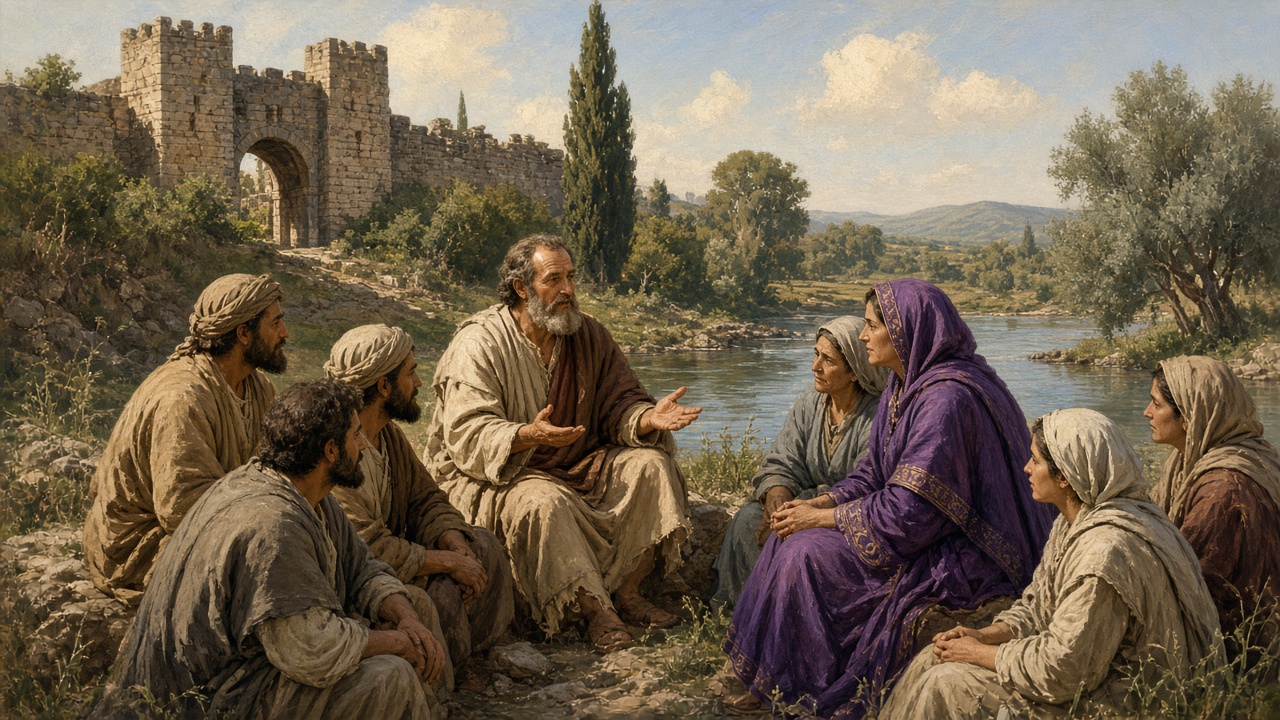
- En la colonia romana de Filipos, Pablo y sus compañeros encontraron, junto al río y fuera de la puerta de la ciudad, un lugar donde era costumbre orar, y allí se habían reunido unas mujeres. Entre ellas estaba Lidia, comerciante de telas de púrpura, de Tiatira, y adoradora de Dios; después de que ella y los de su casa fueron bautizados, convenció a los viajeros de quedarse en su casa. El diccionario bíblico de Easton (1897) la describe como una prosélita de considerable riqueza y como la primera persona en Europa que abrazó el cristianismo.Fuentes: el propio texto bíblico · Lydia
Notas escritas con ayuda de IA a partir de fuentes abiertas (Theographic Bible Metadata, CC BY-SA 4.0; Easton’s Bible Dictionary, dominio público) y revisadas antes de publicarse.
Lugares de este capítulo
- Lystra · Hoy: Tel Lystra · 37.602, 32.338 · versículos 1, 2
- Iconium · Hoy: Konya · 37.872, 32.492 · versículo 2
- Jerusalem · 31.777, 35.234 · versículo 4
- Asia · 38.400, 28.300 · versículo 6
- Galatia · 39.267, 32.983 · versículo 6
- Phrygia · 39.000, 31.000 · versículo 6
- Bithynia · 40.500, 31.000 · versículo 7
- Mysia · 40.000, 28.500 · versículos 7, 8
- Troas · Hoy: Alexandria Troas · 39.752, 26.159 · versículos 8, 11
- Greece · 37.972, 23.727 · versículo 9
- Macedonia · 41.600, 22.540 · versículos 9, 10, 12
- Neapolis · Hoy: Kavala · 40.935, 24.415 · versículo 11
- Samothrace · Hoy: Samothraki · 40.450, 25.583 · versículo 11
- Philippi · 41.012, 24.285 · versículo 12
- Thyatira · Hoy: Akhisar · 38.920, 27.837 · versículo 14
Solo aparecen lugares identificados con alta confianza (90 % o más según las fuentes académicas reunidas por OpenBible). Mapa de la época: DARE (Digital Atlas of the Roman Empire), CC BY 4.0; mapa actual: © colaboradores de OpenStreetMap; lugares: OpenBible.info (CC BY 4.0).
Créditos y licencia de esta traducción
Lëk yam
New Testament in Dinka, Southwestern (SU:dik:Dinka, Southwestern)
copyright © 2006 Wycliffe Bible Translators, Inc.
Language: Dinka, Southwestern
Translation by: Wycliffe Bible Translators, Inc.
Dinka, Southwestern
dik
Sudan
Copyright Information
© 2006, Wycliffe Bible Translators, Inc. All rights reserved.
This translation text is made available to you under the
terms of the Creative Commons License: Attribution-Noncommercial-No Derivative Works.
( http://creativecommons.org/licenses/by-nc-nd/3.0/ )
In addition, you have permission to port the text to different file formats, as long as you
do not change any of the text or punctuation of the Bible.
You may share, copy, distribute, transmit, and extract portions
or quotations from this work, provided that you include the above copyright
information:
You must give Attribution to the work.
You do not sell this work for a profit.
You do not make any derivative works that change any of the actual words or punctuation of the Scriptures.
Permissions beyond the scope of this license may be
available if you contact
us with your request.
The New Testament
in Dinka, Southwestern
© 2006, Wycliffe Bible Translators, Inc. All rights reserved.
This translation is made available to you under the terms of the
Creative Commons Attribution-Noncommercial-No Derivatives license 4.0.
You may share and redistribute this Bible translation or extracts from it in any format, provided that:
You include the above copyright and source information.
You do not sell this work for a profit.
You do not change any of the words or punctuation of the Scriptures.
Pictures included with Scriptures and other documents on this site are licensed just for use with those Scriptures and documents.
For other uses, please contact the respective copyright owners.
2014-04-22
Fuente: http://ebible.org/dikNT/ · eBible.org