Marcos 14
Nǫ̀htsı̨̨ Nı̨̨htł'è · Toca un versículo para ver sus referencias cruzadas.
Ts'èko Zezì k'e yìk'eetł'òo ayį̀į̀là
1Dzędeè Passover gha nàsı̨ hołè ts'ǫ̀ nàke dzęę̀ whìle agòjà. Eyı dzędeè k'e łèt'èa dę łèt'è ghǫ shègezhe hǫt'e. Yahtıı-gha-k'aodèe eyıts'ǫ Nǫ̀htsı̨-yatıì-k'ègedìı-dǫǫ̀ Zezì ełaàgııhwhı ha gı̨ı̨wǫ t'à, dànì dǫ naàhtǫ dageechı ha sìı kak'egeet'į̀. 2Hanìkò ełets'ǫ̀ hagedı, “Dzędeè Passover ekìıyeè k'e ats'ııle-le. Hats'ı̨ı̨là nı̨dè dǫ xè nıdahoìwı ha sǫnı,” gedı.
3Ekìıyeè k'e kǫ̀ta Bethany Zezì Sımon wekǫ̀ wheda. (Sımon gokwǫ̀ tàda t'à eyaı̨lè.) Ekǫ ts'èko kwetǫą yìı yìk'eetł'òo dètìı k'ehtı̨ xè Zezì ladà k'e shètı̨ ts'ǫ̀ èhtła. Kwetǫą nàyı̨ı̨zhì gà yìk'eetł'òo yekwì k'eį̀htł'ı.
4Hanìkò dǫ mǫ̀hdaa eyı geèhkw'ee sìı gıgha nezı̨-le t'à, ełets'ǫ̀ hagedı, “Ayìıha dıı yìk'eetł'òo t'asìı kaà-le nałayeehtł'ì? 5Eyı yìk'eetł'òo sìı ı̨łè xo eghàlats'ı̨ı̨dà xètłǫ elı̨ hǫt'e. Sǫǫ̀mba łǫ k'èxa weghǫ nàedì gà dǫ-teèt'ı̨ı̨ ghàyele ha ı̨lè,” gedı. Eyıt'à yatı nàtsoo t'à eyı ts'èko ts'ǫ̀ sǫagedı.
6Zezì gots'ǫ̀ hadı, “Whatsǫǫ̀ awet'į̀. Ayìıha dıı ts'èko ts'ǫ̀ sǫahdı? Segha t'asìı nezı̨ı̨ hayį̀į̀là hǫt'e. 7Dǫ eteèt'ı̨ı̨ sìı t'aats'ǫǫ̀ naxıxè geeda ha hǫt'e, eyıts'ǫ t'alàa-sìı k'e gıts'àahdı ha dìì-le, hanìkò sı̨ sìı t'aats'ǫǫ̀ naxıxè whıhda ha nıìle. 8Ayìı segha hayele ha dìì-le sìı hayį̀į̀là hǫt'e. Dıı yìk'eetł'òo sezhį̀į̀ k'e nałayeèhtł'ıı sìı sekw'ǫǫ̀ nìtį̀ı̨ dzęę̀ daà ayı̨į̀là hǫt'e. 9Ehkw'ı anaxèehsı̨, edı̨į̀ nèk'e segodıì nezı̨ı̨ t'à ełexè gogedoo sìı dıı ts'èko segha ayìı dàyį̀į̀làa sìı weghǫ ełexè gogedo ha hǫt'e. Ayìı dàyį̀į̀làa sìı dǫ gınadì ha hǫt'e,” gòhdı.
10Eyı tł'axǫǫ̀ wecheekeè hoònǫ-daats'ǫ̀-nàke gots'ǫ ı̨łè, Zhıdàà-Iscarıyot wìyeh, Zezì yahtıı-gha-k'aodèe tł'aàyehtè ha nıwǫ t'à gots'ǫ̀ èhtła. 11K'aodèe eyı ghǫ gıìkw'o ekò sıì gınà t'à gıts'ǫ̀ hadı, “Sǫǫ̀mba łǫ nets'àts'eehdì ha,” gıìhdı. Eyıt'à dànì Zezì k'aodèe gotł'aàyehtè ha sìı gha naèhɂı̨.
Zezì edecheekeè xè nǫǫde shètı̨
12Passover dzęę̀ xèhǫǫ̀wo ekò (eyı dzęę̀ k'e taàt'eè yahtıı, Passover gha, sahzǫ̀ą Nǫ̀htsı̨ ts'ǫ̀ gık'eehk'ǫ̀), Zezì wecheekeè dageehke, hagedı, “Edı̨į̀ nàsı̨ Passover ghǫ shèı̨tı̨ ha? Negha sıìgots'ele ha neewǫ nì?” gıìhdı.
13Zezì edecheekeè nàke gots'ǫ̀ hadı, “Jerusalem ts'ǫ̀ łaahtłe, ekǫ dǫ kwetǫ t'à tı naehtı̨ naxınìhdǫǫ̀ etła ha. Wek'èè-t'ıì aahde. 14Kǫ̀ goyaèhtła nı̨dè dǫ wekǫ̀ agǫ̀ht'ee sìı wets'ǫ̀ dıı haahdı, ‘Gots'ǫ̀ K'àowo nets'ǫ̀ hadı: Edı̨į̀ shèts'ezhe gha gòɂǫ? Secheekeè gıxè nàsı̨ Passover ghǫ shètı̨ ha dehwhǫ,’ wèahdı. 15Eyı dǫ dahkǫ̀ gǫchàa gòɂǫǫ ekǫ t'asìı hazǫǫ̀ ts'atà whelaa sìı ts'ǫ̀ naxeewa ha. Ekǫ shèts'ezhe gha sıìgoahłe,” Zezì gòhdı.
16Eyıt'à wecheekeè nàke Jerusalem ts'ǫ̀ łegeèhtła, Zezì dàgòhdıı sìı hotıì wek'ę̀ę̀ hagòjà. Eyıt'à Passover gha nàsı̨ sınìhogį̀ı̨ɂǫ.
17Xèhts'ǫ̀ agòjà ekò Zezì edecheekeè hoònǫ-daats'ǫ̀-nàke xè eyı nììtła. 18Ladà k'e shègezhe ekò, Zezì hagòhdı, “Ehkw'ı anaxèehsı̨, dǫ ı̨łè naxıta whedaa sìı k'aodèe tł'aàsìhtè ha; naxıta dǫ ı̨łè sexè shètı̨ı̨ sìı eyı hǫt'e,” gòhdı.
19Wecheekeè sıì gıgha dìì, ełek'èdaà Zezì ts'ǫ̀ hagedı, “Sı̨ asį̀ı̨dı-le nì?” gıìhdı.
20Zezì hagòhdı, “Secheekeè hoònǫ-daats'ǫ̀-nàke gots'ǫ ı̨łè hǫt'e. Amìı sexè kw'àyį̀ą yìı łèt'è tenahtsoo sìı eyı hǫt'e. 21Hotıì Nǫ̀htsı̨ Nı̨htł'è k'e dànì dek'eèhtł'è k'ę̀ę̀ Dǫ-wet'àaɂàa-deè ełaàwı ha hǫt'e, hanìkò amìı k'aodèe gotł'aàyehtè ha sìı wegha hoìla nechà ha hǫt'e. Eyı dǫ wegǫ̀hłı̨-le nı̨dè denahk'e wegha nezı̨ ha ı̨lè,” gòhdı.
22Shègezhe ekò Zezì łèt'è neyıìchı gà yek'eèyaı̨htı. Eyı tł'axǫǫ̀ łèt'è tàyı̨ı̨zhì, edecheekeè goghàyı̨ı̨dì, hadı, “Dıı łèt'è ààhchı, weghǫ shèahzhe. Dıı sezhį̀į̀ hǫt'e,” hadı.
23Eyı tł'axǫǫ̀ lıbò neyı̨į̀hgè gà yek'eèyaı̨htı eyıts'ǫ k'achı̨ edecheekeè goghàyį̀ı̨hgè gà wets'ǫ gıadǫ.
24Eyıts'ǫ gots'ǫ̀ hadı, “Dıı sedoò hǫt'e sìı wet'à nakenahòdlı̨ hǫt'e. Dǫ łǫ gha sedoò xàı̨tł'ı,” gòhdı. 25“Ehkw'ı anaxèehsı̨, dıı jìetì k'achı̨ naxıxè nahdǫ ha-le. Nǫ̀htsı̨ Wenàowoò k'ę̀ę̀ hòɂǫǫ wexèhǫǫ̀wo nı̨dè k'achı̨ naxıxè jìetì wegòò ehdǫ ha,” gòhdı.
26Shı̨ gıajı̨ tł'axǫǫ̀ shìh Olıvet gòyeh ts'ǫ̀ xàgeède. Shìh Olıvet gòyeh|src="HK059E.tif" size="span" ref="14.26"
Peter Zezì k'èezǫ-le hadı ha
27Ekǫ geèhkw'e ekò Zezì gots'ǫ̀ hadı, “Naxı̨ hazǫǫ̀ sets'ǫǫ̀ kwı̨ahdè ha. Dànì dek'eèhtł'èe sìı wek'ę̀ę̀ agode ha:
‘Sahzǫ̀ą-k'èdìı-dǫǫ̀ nàweehtł'ì ha eyıts'ǫ sahzǫ̀ą hazǫǫ̀ ehkègehɂà ha,’ dek'eèhtł'è.
28Hanìkò naìhdà tł'axǫǫ̀ nı̨dè naxınakweè Galılee nèk'e ts'ǫ̀ ahde ha,” gòhdı.
29Peter yets'ǫ̀ hadı, “Dǫ hazǫǫ̀ nets'ǫǫ̀ kwı̨geèhde kò sı̨ hahde ha nıìle,” yèhdı.
30Zezì yets'ǫ̀ hadı, “Ehkw'ı anèehsı̨, dıı toò et'ıì k'àba nàekeè ezeh kwe, taà-eht'aà sek'èı̨zǫ-le nı̨ı̨dı ha hǫt'e,” yèhdı.
31Hanìkò Peter yets'ǫ̀ hadı, “Nexè ełaehwhı ha nǫǫ̀ kò, nek'èehsǫ-le dehsı̨ hǫı̨lı̨ ha nıìle,” yèhdı. Wecheekeè hazǫǫ̀, ededı̨ sı, hagedı.
Zezì wegha dìì xè Nǫ̀htsı̨ ts'ǫ̀ yahtı
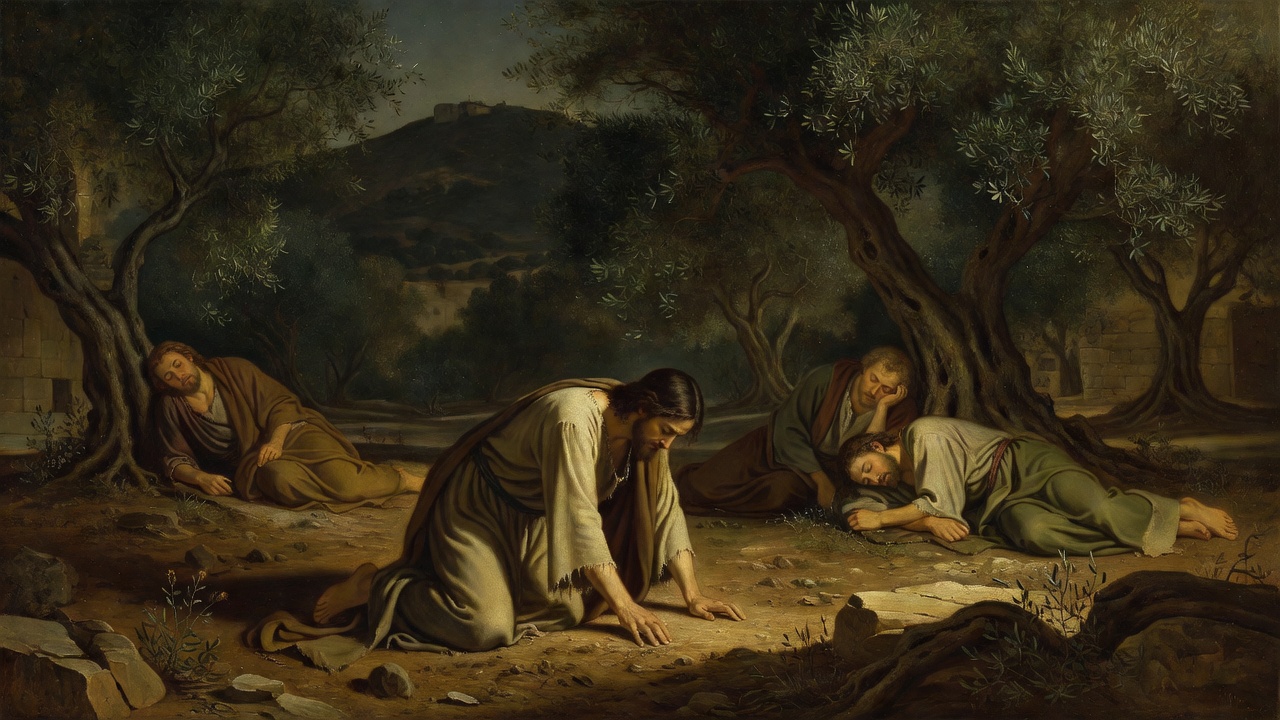
32Eyı tł'axǫǫ̀ Gethsemana gòyeh ts'ǫ̀ geède. Zezì gots'ǫ̀ hadı, “Jǫ naahɂı̨. Yahdaà nèehtła gà yahtı ha,” gòhdı. 33Peter, James eyıts'ǫ John edexè goòwa. Sıì wegha dìì agòjà, 34hagòhdı, “Sıì segha dìì t'à, ełaehwhı ha lanì. Jǫ sedaahkw'e xè kexoahdı,” gòhdı.
35Įdaà gǫǫwà-lea nììtła, dèè k'e nàgòı̨hgè xè yahtıì hadı, “Abà, Setà, t'asìı negha dìì gǫ̀hłı̨-le. Dıı wet'à dàıhɂaa sìı sets'ǫǫ̀ anele. Hanìkò sınì k'ę̀ę̀ welè-le; nınì k'ę̀ę̀ welè,” Zezì hadıì yaı̨htı.
37Yaı̨htı tł'axǫǫ̀ edecheekeè taı goghǫ nǫ̀ǫtła ekò geète nǫǫ̀. Peter ts'ǫ̀ hadı, “Sımon, wheętı̨ nǫǫ̀. Įłè sadzeè kò sexè ts'ıgoı̨dì ha dìì nì? 38Hołı̨ı̨ naxıdaèht'è ch'à edexoahdı xè yaahtı, hanì-ı̨dè hołı̨ı̨ naxıdaèht'è ha-le. Naxıts'ǫ ı̨nì ehkw'ı anıwǫ, hanìkò wek'ę̀ę̀ aahda ha wèhoedı-le,” gòhdı.
39Zezì k'achı̨ yahtı ha ekǫ naèhtła, yatı eyı-t'ıì t'à yaı̨htı. 40Edecheekeè goghǫ nǫ̀ǫtła ekò sıì begeèxı̨ t'à k'achı̨ gete nǫǫ̀. Zezì ts'ǫ̀ agııdì whìle.
41Eyı tł'axǫǫ̀ taà-eht'aà decheekeè gots'ǫ̀ naèhtła, hagòhdı, “Įłaà wheahte nì aaht'e? Hòt'a! Dǫ-wet'àaɂàa-deè hołı̨ı̨-hogehtsı̨ı̨-dǫǫ̀ tł'aàgıhtè ha nìhǫǫwo. 42Nıàhdè, nats'ııdè. Amìı hołı̨ı̨-hogehtsı̨ı̨-dǫǫ̀ ghàsìhtè ha sìı jǫ nììtła,” Zezì gòhdı.
Zezì gį̀į̀hchì
43Įłaà Zezì edecheekeè gots'ǫ̀ gode et'ıì wecheekeè hoònǫ-daats'ǫ̀-nàke gots'ǫ ı̨łè, Zhıdàà wìyeh, eyı nììtła. Dǫ łǫ behcho eyıts'ǫ dechı̨ k'egele xè wexè eyı nègı̨ı̨de. Yahtıı-gha-k'aodèe, Nǫ̀htsı̨-yatıì-k'ègedìı-dǫǫ̀ eyıts'ǫ ǫhdah gı̨ı̨lı̨ı̨ sìı dǫ ekǫ ts'ǫ̀ gogı̨ı̨hɂà.
44Zhıdàà, Zezì k'aodèe gotł'aàyehtè ha sìı, dǫ yexè aget'ı̨ı̨ ts'ǫ̀ dıı hadı ı̨lè, “Dǫ wehts'į̀ı̨ sìı eyı wèahchı. Eghǫǫ-dǫǫ̀, k'aodèe ts'ǫ̀ geechıì agıahłe,” gòhdı ı̨lè. 45Zhıdàà ekòet'ıì Zezì ts'ǫ̀ èhtła gà yets'ǫ̀ hadı, “K'àowo!” yèhdı gà yı̨ı̨ts'į̀. 46Eyıt'à dǫ Zezì negıìchì. 47Eyı hagòjà ekò Zezì wecheekeè ı̨łè behcho xàechì gà yahtıı-wet'àaɂàa-deè wecheekeè ı̨łè yedzeèbàa dachı̨ı̨hwho.
48Eyı tł'axǫǫ̀ Zezì dǫ hazǫǫ̀ ts'ǫ̀ hadı, “Ayìıha behcho eyıts'ǫ dechı̨ sets'ǫ̀ k'eahłe? Ełets'egǫ gha aht'ı̨ dahwhǫ nì? 49Dzę taàt'eè Nǫ̀htsı̨kǫ̀-gocho gà dǫ hoghàehtǫ ı̨lè, hanìkò sèahchì-le ı̨lè. Nǫ̀htsı̨ Nı̨htł'è k'ę̀ę̀ agode ha t'à, dıı hagode ha t'ıį̀t'e,” gòhdı. 50Hadı tł'axǫǫ̀ wecheekeè hazǫǫ̀ gıts'ǫǫ̀ natı̨mǫgeèhde xè kwı̨geèhde.
51Cheko ı̨łè ɂeh nedèe zǫ t'à-at'ı̨ı̨ sìı Zezì k'èè èhtła. Dǫ eyı cheko dagıachì ekò, 52edeɂeè ı̨dè aèhchì ayį̀į̀là gà ı̨ht'edę kwı̨èhsa.
Zezì weghǫ nàyaetı
53Dǫ Zezì dagıachìı sìı yahtıı-wet'àaɂàa-deè wekǫ̀ ts'ǫ̀ geèhchì. Yahtıı-gha-k'aodèe, ǫhdah gı̨ı̨lı̨ı̨, eyıts'ǫ Nǫ̀htsı̨-yatıì-k'ègedìı-dǫǫ̀ ekǫ ełègehde. 54Peter ı̨dè sìghaı̨waà gok'èè etłe, yahtıı-wet'àaɂàa-deè wekǫ̀ gà kwekwı̨į̀ nawheɂa ts'ǫ̀ gok'èè nììtła. Goyaèhtła gà enìı̨tǫ-k'ègedìı-dǫǫ̀ gogà dèhkwà xè naìgwı.
55Yahtıı-gha-k'aodèe eyıts'ǫ k'aodèe yàgı̨ı̨lı̨ı̨ hazǫǫ̀ Zezì ełaàgehwhı ha gı̨ı̨wǫ. T'asìıjıı t'à Zezì k'e nìdahogeeɂà ha dǫ dageehke, hanìkò t'asìı t'à yek'e nìdahogeeɂà ha sìı gogį̀į̀hɂǫ-le. 56Dǫ łǫ hogets'ì t'à gık'e nìdahòı̨ɂǫ, hanìkò weghǫ ełek'ę̀ę̀ agedı-le.
57Eyı tł'axǫǫ̀ dǫ mǫ̀hdaa negı̨į̀de gà weghǫ hogets'ì, dıı hagedı: 58“Eyı dǫ dıı hadı wets'ıìkw'o, ‘Nǫ̀htsı̨kǫ̀-gocho dǫ yehtsı̨ı̨ sìı wedıhohtsı̨ ha eyıts'ǫ taı dzęę̀ k'ehǫǫwo nı̨dè k'achı̨ ı̨łè dǫ yèhtsı̨-le sìı nahtsı̨ ha,’ hadı ı̨lè,” dǫ nàke hagedı. 59Hanìkò eyı dǫ sı weghǫ ełek'ę̀ę̀ agedı-le.
60Eyıt'à yahtıı-wet'àaɂàa-deè gonadąą̀ nıìtła gà Zezì ts'ǫ̀ hadı, “Dǫ neghǫ dàgedıı sìı wek'e xàyaı̨htı ha-le nì? Dǫ ayìı ghǫ nek'e nìdahogeeɂàa sìı weghǫ dàı̨dı ha?” yèhdı. 61Hanìkò Zezì xàyaı̨htı-le. Eyıt'à yahtıı-wet'àaɂàa-deè k'achı̨ hayèhdı, “Nǫ̀htsı̨ Weza, Chrıst anet'e nì?” yèhdı.
62Zezì yets'ǫ̀ hadı, “Eyı aht'e. Įdaà nı̨dè Dǫ-wet'àaɂàa-deè Nǫ̀htsı̨ t'asìı wegha dìì-le sìı gà nàgòts'ehnèe wheda weahɂį̀ ha. Įdòo yak'e gots'ǫ k'oh xè nììtła ha,” yèhdı.
63Hadı t'à yahtıı-wet'àaɂàa-deè sıì wek'èch'a t'à edeɂeè tàı̨hdlà gà dǫ gots'ǫ̀ hadı, “Hòt'a k'achı̨ dǫ gık'e nìdahogeeɂà-le kò. 64Goxı̨ xàè Nǫ̀htsı̨ k'èch'a xàyaı̨htıı sìı wets'ıìhkw'o ne. Dànì wesınìyaahtı ha?” gòhdı.
“Dàdı k'èxa ełaàwı ha,” gedı, hazǫǫ̀ gısınìyaı̨htı. 65Eyıt'à dǫ mǫ̀hdaa gık'e geezè, eyıts'ǫ wedaà k'e ehtł'ı̨ ełègeèzà gà nàgeeht'ı, gıts'ǫ̀ hadı, “Nakwenàoɂǫǫ lanì gots'ǫ̀ goı̨de!” gıìhdı. Eyı tł'axǫǫ̀ enìı̨tǫ-k'èdìı-dǫǫ̀ nıgıìchì gà gıkwǫ̀ǫyaà-gı̨į̀là.
Peter Zezì k'èezǫ-le hadı
66Ekìıyeè k'e Peter eyı kǫ̀-gocho gà mǫ̀ht'a wheda ekò t'eekoa eyı eghàlaedaa sìı yexa èhtła. 67Peter naìgwı yaɂı̨ ekò nezı̨į̀ yeghàı̨dà gà hadı, “Nı̨ sı Nazareth got'ı̨į̀ Zezì xè anet'ı̨ ı̨lè,” yèhdı.
68Hanìkò Peter yets'ǫ̀ hadı, “Į̀le, sı̨ aht'ı̨ nıìle. Ayìı ghǫ goı̨de aı̨dıı sìı wek'èehsǫ-le,” yèhdı. Eyı tł'axǫǫ̀ xàgoòɂàa k'è gà nììtła.
69K'achı̨ t'eekoa ekǫ yaɂı̨ t'à dǫ eyı nàgeèhzaa sìı gots'ǫ̀ hadı, “Dıı dǫ, Zezì wecheekeè goxè at'ı̨ ı̨lè,” gòhdı. 70K'achı̨ hadı, “Į̀le, gıxè aht'ı̨ nıìle!” yèhdı.
Whaà-lea tł'axǫǫ̀ dǫ mǫ̀hdaa Peter gà nàgeèhzaa sìı gıts'ǫ̀ hadı, “Ehkw'ı t'à, Galılee got'ı̨į̀ anet'e t'à wecheekeè ı̨łè anet'e ne,” gıìhdı.
71Yatı nàtsoo t'à hadı, “Ehkw'ı aehsı̨-le nı̨dè wek'èxa segha hoìla welè. Eyı dǫ weghǫ goahdee sìı wek'èehsǫ nıìle!” gòhdı.
72Hadı ts'ǫ̀et'ıì k'àba nàekeè whezeh. Hanì et'ıì Peter, Zezì dàyèhdı ı̨lèe sìı yenadì. “K'àba nàekeè ezeh kwe, taà-eht'aà sek'èı̨zǫ-le nı̨ı̨dı ha,” yèhdı ı̨lè. Peter sıì wegha dìì agòjà t'à sıì ededzeè t'à ı̨tsè.
¿Sabías que…?
Unción, traición y prendimiento
- La unción tuvo lugar en Betania, una aldea en la ladera sudoriental del monte de los Olivos, a unas dos millas al este de Jerusalén, en el camino a Jericó. Allí Jesús estaba reclinado a la mesa en la casa de Simón el leproso, cuando una mujer rompió un frasco de alabastro con nardo puro y lo derramó sobre su cabeza.Fuentes: Bethany · Simon · el propio texto bíblico
- Después de la comida, Jesús y los Doce entonaron un himno y salieron hacia el monte de los Olivos, una sierra al este de Jerusalén, separada de la ciudad por el valle de Cedrón y llamada así por los olivos que cubrían sus laderas. A sus pies estaba Getsemaní, un olivar cuyo nombre significa "prensa de aceite", adonde Jesús solía retirarse con sus discípulos.Fuentes: Mount of Olives · Gethsemane · el propio texto bíblico
- Judas, de sobrenombre Iscariote, es decir, un hombre de Queriot, aparece siempre al final entre los apóstoles en las listas de los tres primeros Evangelios. Después de la unción, fue a los principales sacerdotes para entregar a Jesús; ellos se alegraron y prometieron darle dinero, y más tarde identificó a Jesús ante la multitud armada con un beso.Fuentes: Judas Iscariot · el propio texto bíblico
Notas escritas con ayuda de IA a partir de fuentes abiertas (Theographic Bible Metadata, CC BY-SA 4.0; Easton’s Bible Dictionary, dominio público) y revisadas antes de publicarse.
Lugares de este capítulo
- Jerusalem · 31.777, 35.234 · versículo 13
- Mount of Olives · 31.778, 35.246 · versículo 26
- Galilee · 32.760, 35.527 · versículo 28
- Gethsemane · 31.779, 35.239 · versículo 32
- Nazareth · 32.702, 35.298 · versículo 67
Solo aparecen lugares identificados con alta confianza (90 % o más según las fuentes académicas reunidas por OpenBible). Mapa de la época: DARE (Digital Atlas of the Roman Empire), CC BY 4.0; mapa actual: © colaboradores de OpenStreetMap; lugares: OpenBible.info (CC BY 4.0).
Créditos y licencia de esta traducción
Nǫ̀htsı̨̨ Nı̨̨htł'è
Dogrib: Dogrib Genesis & New Testament New Testament & Portions of Old Testament
copyright © 2009 Canadian Bible Society
Language: Dogrib
Translation by: Canadian Bible Society
Tłı̨chǫ Genesis and New Testament
About Tłı̨chǫ
Tłı̨chǫ (Dogrib) is a Na-Dene (Athabaskan) language. It is spoken by the First Nations Tłı̨chǫ people in the Northwest Territories in Canada. It has the largest number of speakers of any of the Aboriginal language communities in the NWT, and is one of the official languages of the Northwest Territories.
About This Translation
This translation includes the book of Genesis and the New Testament in Tłı̨chǫ. The first edition of the Tłı̨chǫ New Testament was published in 2003. It was a historic event, as it was the first time in more than a hundred years that a complete New Testament was published for one of the Dene First Nations in the Territories. The first edition was well received and quickly sold out. In the meantime the book of Genesis had been completed. Consequently, the 2008 reprint of the Tłı̨chǫ New Testament included Genesis.
Though this translation of the New Testament and Genesis took a total of ten years, the people who worked on it built on years of labor invested by the Tłı̨chǫ people, elders, priests and missionaries, translators, educators, and linguists. The material contained in this book was checked and approved by consultants from Wycliffe Bible Translators and the Canadian Bible Society.
If you are interested in obtaining a printed copy of this Bible, please contact the Canadian Bible Society at http://www.biblescanada.com .
Copyright Information
Dogrib Genesis and New Testament © 2003, 2008 Canadian Bible Society
The text of the Bible in Tłı̨chǫ that appears in this electronic format or website is for personal use only.
Up to five hundred (500) verses of the Bible text in any form (written, visual, electronic or audio) may be quoted without permission. The quoted verses may not be more than 50% of a complete book of the Bible, or more than 25% of the total text of the work in which they are quoted. Prior written permission must be obtained for any other use of the text. Copyright acknowledgement must in all cases appear on the title or copyright page.
For more information on copyright conditions or to apply, visit http://www.biblesociety.ca/copyright .
This translation is made available to you under the terms of the
Creative Commons Attribution-Noncommercial-No Derivatives license 4.0.
You may share and redistribute this Bible translation or extracts from it in any format, provided that:
You include the above copyright and source information.
You do not sell this work for a profit.
You do not change any of the words or punctuation of the Scriptures.
Pictures included with Scriptures and other documents on this site are licensed just for use with those Scriptures and documents.
For other uses, please contact the respective copyright owners.
2014-04-22
Fuente: http://ebible.org/dgrDOGNT/ · eBible.org